NOTE
Tipping is not mandatory in Thailand, but for service workers, tips make a genuine difference in their daily lives. A small gesture of gratitude goes a long way.
How much should you tip in Thailand in 2026? Short answer: 10% at restaurants if it’s not on the bill, ฿20–50 per bag for hotel staff, round up the meter for taxis, and ฿50–100 per hour for a massage. Nothing is mandatory — but for service workers earning low base wages, those small amounts genuinely change the day. By the end of this guide you’ll know the exact baht for every situation, including the ones where tipping is actually wrong.
How much should you tip in Thailand?
Tip 10% at restaurants if a service charge isn’t already on the bill, ฿20–50 per bag for hotel bellhops, ฿20–50 per night for housekeeping, round the taxi or Grab fare up to the next ฿10–20, and ฿50–100 per hour for a Thai massage. Street stalls, food courts, and 7-Eleven need no tip at all.
Restaurants
Street Food & Local Shops
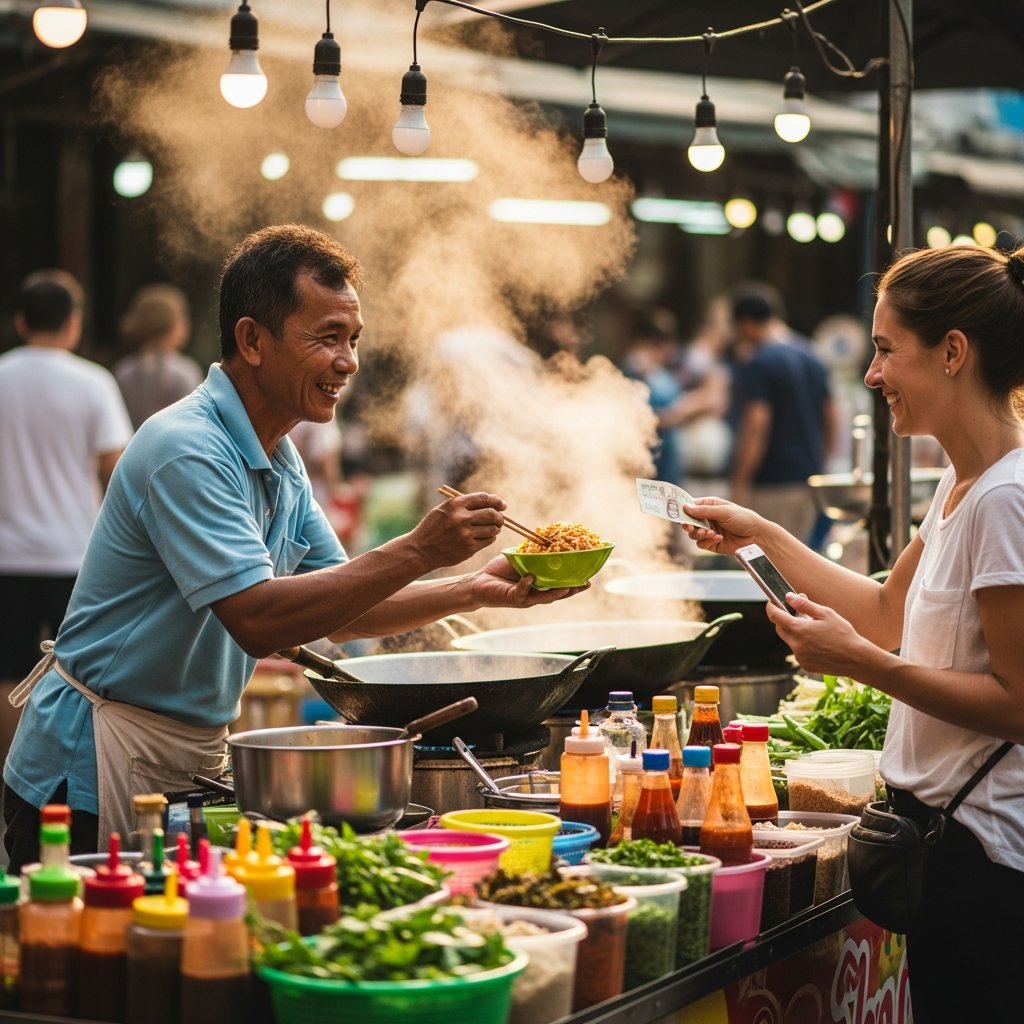
No tip needed. At street stalls, food courts, and neighborhood eateries, tipping isn’t the norm. Just take your change and go.
Regular Restaurants (No Service Charge)
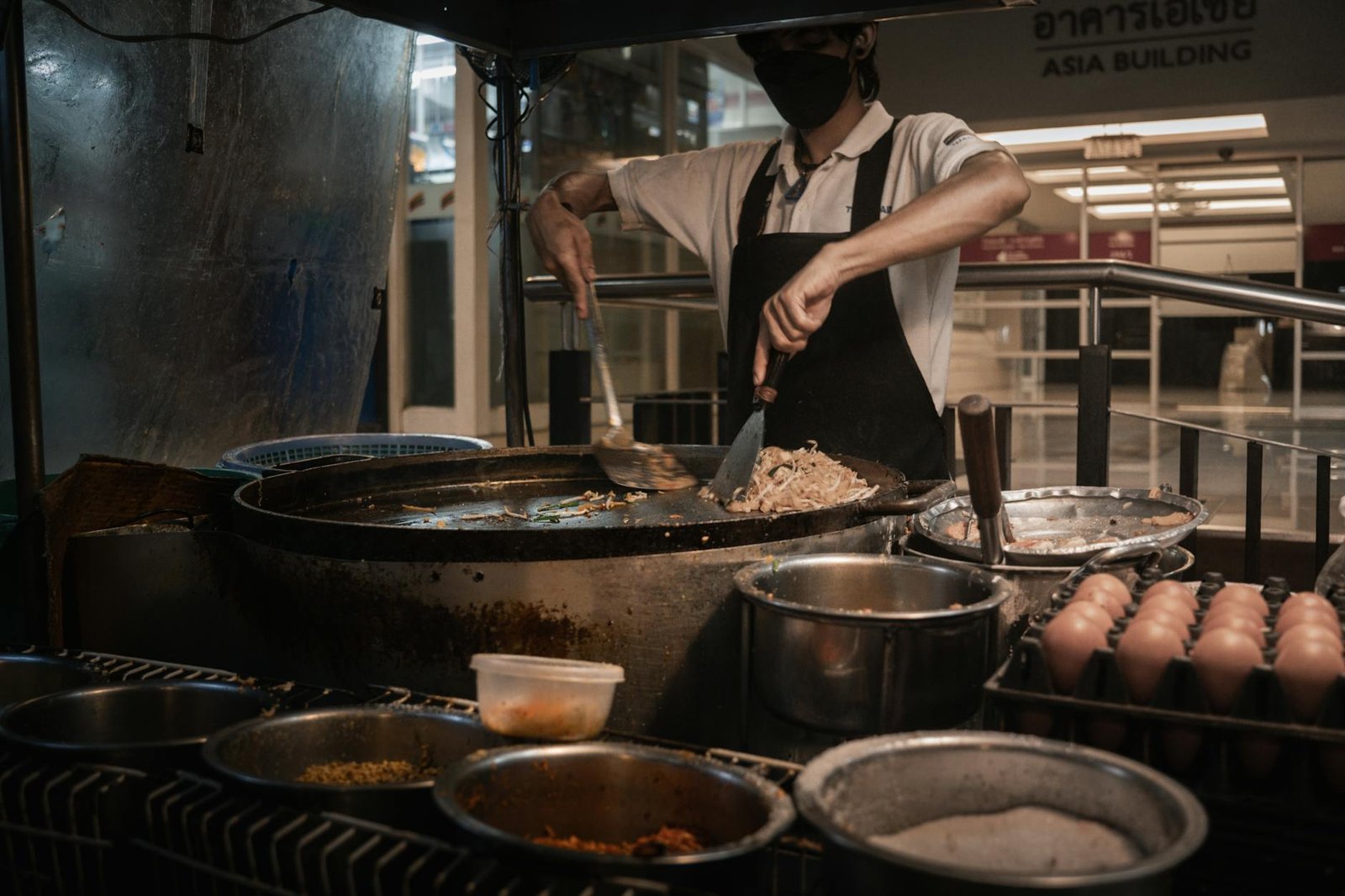
If the bill doesn’t already include a service charge, it’s nice to leave 20–40 THB on the table. The staff will really appreciate it.
Fine Dining & Upscale Restaurants
These usually include a 10% service charge on the bill already. If the service was exceptional, leaving an extra 100 THB or more is a classy move.
Massage
Massage tips are one of the most important parts of tipping culture in Thailand. Masseuses earn low base salaries, so tips make a real difference in their take-home pay.
Regular Massage Shops
50–100 THB per hour is the standard. 50 baht for a one-hour massage is perfectly fine, but if they did a great job, 100 THB is a nice gesture.
Premium Spas
For the elevated service, 100–200 THB is appropriate.
How to Give the Tip
IMPORTANT
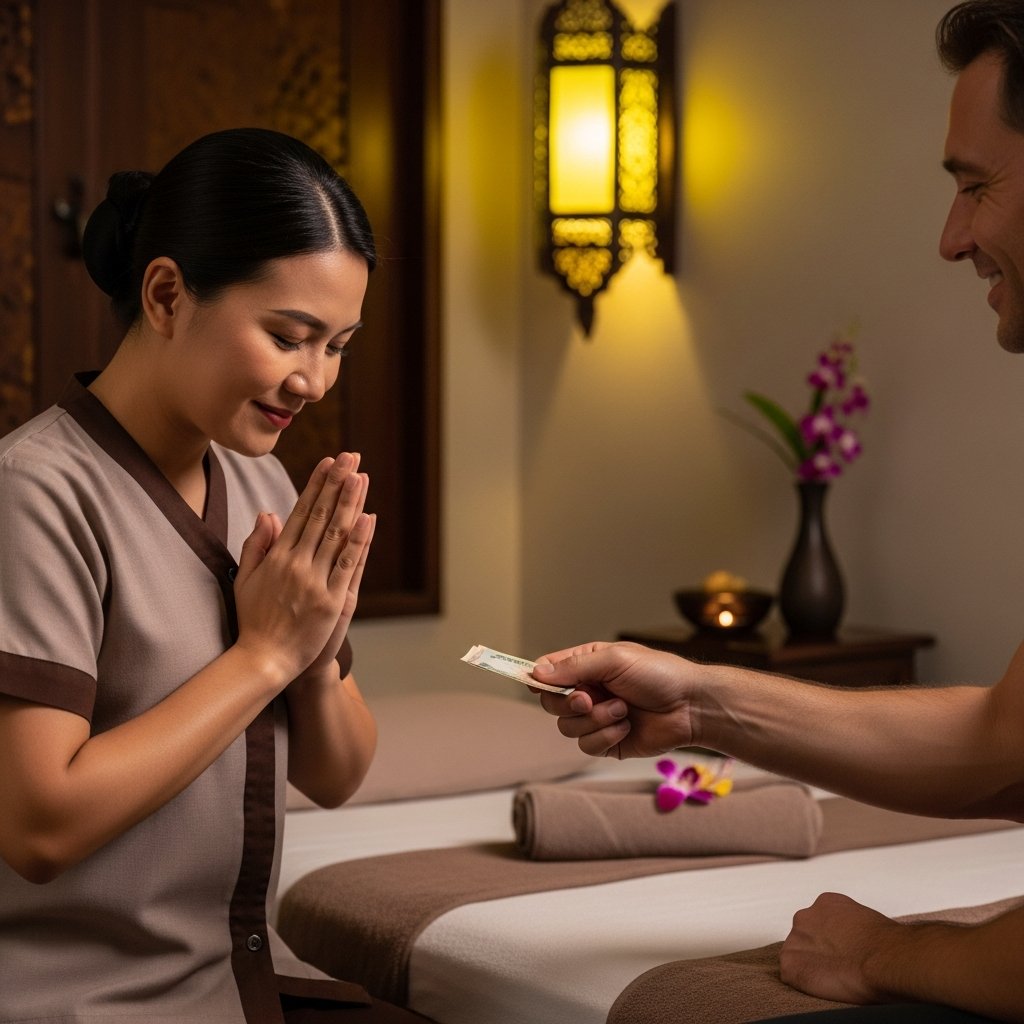
Hand massage tips directly to the masseuse, not at the counter. If you leave it at the counter, the shop owner might take it.
This is important: Don’t leave it at the cashier counter — hand it directly to the masseuse. If you leave it at the counter, the shop owner might take it. Put it in their hand with a “khob khun ka (ขอบคุณค่ะ)” or “khob khun khrap (ขอบคุณครับ)” — learning even a few Thai phrases like this will really make their day. Pair the tip with a small wai (palms together at chest level, slight nod) and you’ve covered both the money side and the manners side in one gesture — the Thai wai greeting guide explains the four heights and which one matches a thank-you to a service worker, so you don’t accidentally wai too high and look sarcastic about the massage.
Taxis & Grab
Regular Metered Taxis
Rounding up is the standard move — it’s easier than dealing with small change, and drivers appreciate it.
Example: Meter reads 113 THB — just hand them 120 THB.
You’re not obligated to tip, but if they helped with your luggage or it was a longer ride, adding 20–30 THB on top is a nice touch.
Grab / Bolt Apps
After paying through the app, you can add a tip along with your star rating in-app. It’s optional, but if you had a good experience, go for it. Drivers care a lot about their app ratings.
Hotels
Bellboys (Luggage)
20–50 THB per bag. If you have multiple bags, calculate it as a total.
Housekeeping (Room Cleaning)
Leave 20–50 THB daily on the pillow or somewhere visible. It’s a direct thank-you to the person who cleaned your room.
Tipping by Scenario: Full Breakdown
The summary above covers the big four (restaurants, hotels, taxis, massage). But Thailand throws a hundred smaller tipping moments at you in a single trip: the doorman who flags your taxi, the longtail boat driver, the rooftop bartender, the tour guide who walked you through Ayutthaya in 38°C heat. Here’s the full breakdown by scenario, with the exact baht amount that locals and long-term residents actually use. Bookmark this; it’s the part you’ll come back to mid-trip.
Sit-down restaurants
If there’s no service charge on the bill, 10% is the standard tip. Round it down to the nearest ฿10 so you’re not counting coins. If a 10% service charge is already printed on the bill (most mid-tier and up restaurants in Bangkok add this), the tip is done; just round the total up to the nearest ฿10 if you want, and the staff will smile.
Street food and hawker stalls
Not expected, ever. The whole pricing model assumes no tip. If the bowl of boat noodles is ฿60 and you hand over ฿65 and wave off the change, that’s perfect; leave coins, not a folded bill. Anything more skews the next traveler’s price upward.
Hotel restaurants and fine dining
A 10% service charge is auto-added at virtually every hotel restaurant and most fine dining venues in Bangkok and Phuket. That’s the tip. If service was genuinely exceptional (the waiter remembered your wine, the chef sent out an off-menu course), ฿100–200 in cash handed directly to your server is a generous, classy gesture. Don’t write it on the bill; it may not reach the person.
Hotel housekeeping
฿20–50 per day, left in an envelope on the desk, under the pillow, or in a visible spot with a small “thank you” note. Leave it daily, not at checkout. Different staff may clean different days, and the person on your last morning may not be the one who folded your towels into a swan on day two.
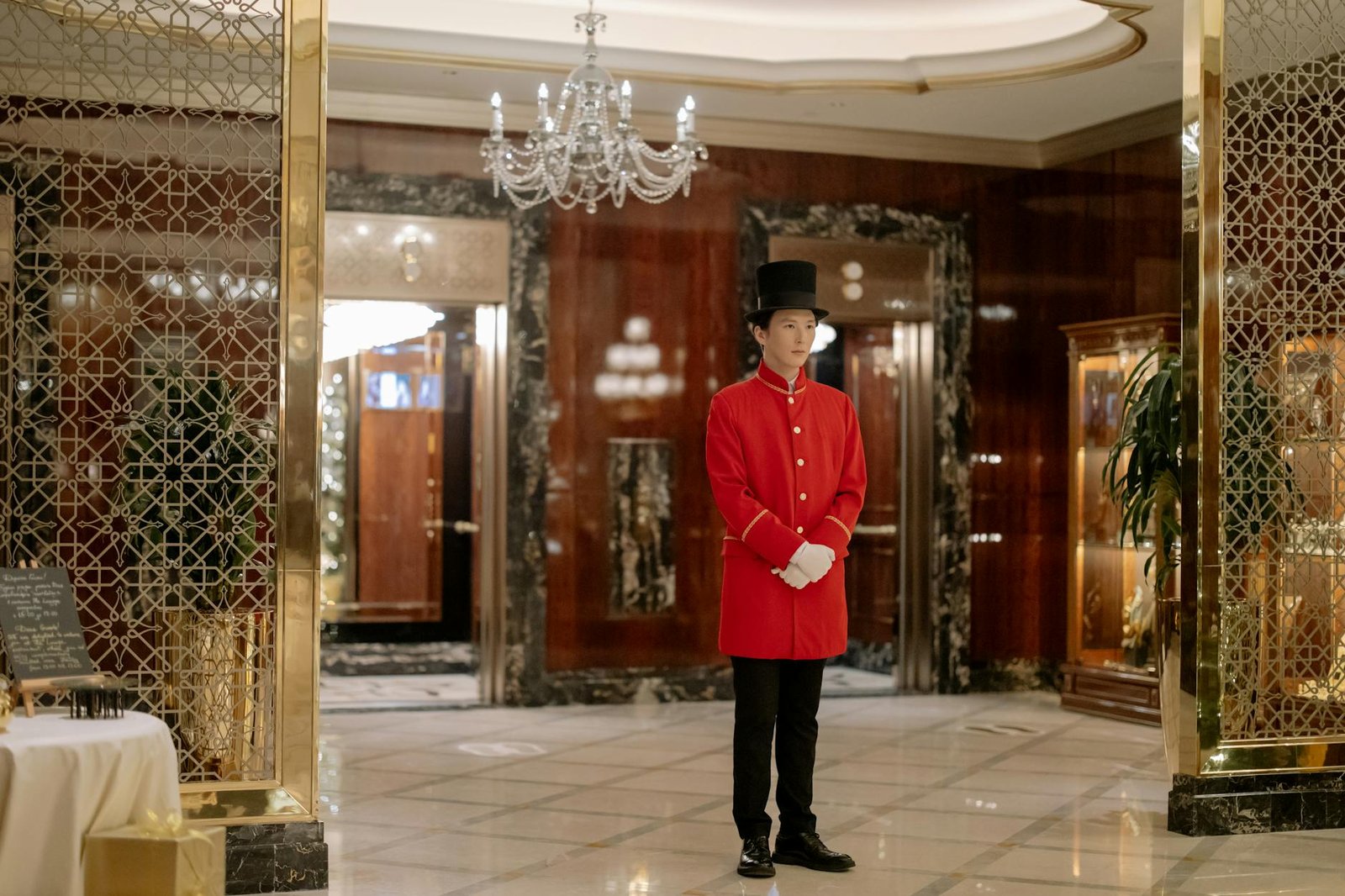
Hotel bellboy
฿20–50 per bag. Three suitcases hauled from lobby to room? ฿100 is the right number. Solo backpacker with one bag they barely touched? ฿20 is fine and not stingy.
Hotel doorman who hails your taxi
฿20. They opened the door, whistled the cab, and made sure the meter was on. It’s not optional in luxury hotels; it’s part of the choreography.
Metered taxi from the street
Round up to the nearest ฿10 or ฿20. Meter says ฿147, you hand over ฿150 and wave off the change. Meter says ฿113, ฿120 is the move. For long airport runs over ฿400, adding an extra ฿20–50 if the driver helped with luggage is appreciated but not expected. More on fares in our Bangkok transportation guide.
Grab and Bolt rides
Not expected. The app’s price is the price. If you want to tip, use the in-app 10% tip option after rating; it reaches the driver cleanly. Cash tips to ride-hail drivers are rare and create awkward change-counting moments. Full breakdown in our Bangkok Grab and Bolt guide.
Tuk-tuk
No tip. Tuk-tuk fares are pre-negotiated before you get in, and the quoted price is almost always already tourist-padded. Pay the agreed number and step out.
Mid-tier street massage shops
฿50–100 for a one-hour Thai massage costing ฿250–350. ฿50 is fine, ฿100 is generous. Hand it directly to the therapist when you say goodbye; never leave it at the counter. The full etiquette is in our Thai massage guide.
Premium spa massage
฿100–200 for a 60–90 minute treatment at a spa charging ฿800–2,000. Again, hand it to the therapist directly when she walks you out, not at the reception desk.
Hotel spa
Most hotel spas auto-add a 10% service charge to the bill, so technically the tip is done. If you want to thank your therapist anyway, ฿100 in cash to her hand is a kind gesture and culturally appropriate.
Private tour guide (full-day)
฿200–500 per person per day for a private guide who runs a 6–10 hour itinerary (temples, lunch stop, cooking class, the works). A couple on a full-day Ayutthaya tour with a great guide should be handing over ฿500–1,000 total at the end.
Group tour guide
฿100–200 per person per day on a shared bus tour where the guide is herding 15 people. Pool it with your group and hand it over together at the end of the day.
Longtail boat or speedboat driver
฿20–50 to the boat driver at the end of a half-day or full-day island trip, especially in Krabi and Phuket where they wrangle ladders and luggage in the surf.
Hairdresser or barber
฿20–50, or round up the bill. A ฿250 haircut becomes ฿300. For a high-end Bangkok salon where you spent ฿1,500+, ฿100 to the stylist is appropriate.
Bartender at a Bangkok rooftop or cocktail bar
฿20–50 per round at a serious cocktail bar where the bartender is making craft drinks. Hand it over with the bill, or drop it in the tip jar if there is one. Skip this at standard hotel bars where service charge is already on the tab. At upscale clubs with bottle service, tipping the service host ฿100–200 per bottle is standard and goes a long way.
Coat check or restroom attendant
฿10–20. Yes, this is still a thing at higher-end Bangkok venues. Keep a few coins in your pocket for the night.
Tipping in Thailand vs Other Countries
If you’re flying in from Japan or Korea, your instinct is don’t tip at all, and you’d be 90% right in Thailand too. If you’re flying in from the US, your instinct is tip 20% on everything, and you’d be wildly over-tipping in Thailand. Here’s how the country actually sits on the global tipping spectrum.
Japan: Tipping is genuinely not part of the culture and can sometimes feel awkward or be politely refused. Service is included in price; the assumption is that doing your job well is the baseline. Travelers from Japan often feel weird about Thai tipping at first. It’s okay, you’re not breaking any rule, but Thailand is one notch warmer toward cash gratitude than Japan.
Korea: Same as Japan: no tipping at restaurants, taxis, or hotels. Service charge isn’t even auto-added at most places. Korean travelers should know that Thailand operates differently, particularly for massage and hotel staff where small tips are expected.
United States: 15–20% on restaurants, $1–2 per drink at bars, 15–20% on ride-hail, and a lot of guilt around under-tipping. Thailand is not the US. A 15–20% tip in a Thai restaurant is over-tipping by 100%, and that’s actually fine for the recipient but it does distort the market over time. Stick to the 10% benchmark.
Europe: 5–10% at restaurants is common, often already included as “service compris” or service charge. Thailand is closest to Europe in tipping logic; 10% is the social norm, not 20%.
Where Thailand sits: not expected but appreciated, with a 10% norm on restaurant bills and small cash tips for service workers in the hospitality sector. If you’re coming from JP or KR, ease yourself into tipping. If you’re coming from the US, ease yourself out of over-tipping. Both end up at the same Thai baseline.
Common Tipping Mistakes
Even travelers who’ve read three tipping guides walk into the same five mistakes. Here are the ones we see most often, with what to do instead.
1. Over-tipping at street food. Handing the boat noodle vendor a ฿100 bill on a ฿60 bowl feels generous, but it slowly shifts what they charge the next tourist. Take your change. The street economy works because the price is the price.
2. Tipping coins at higher-end restaurants. Dropping a pile of ฿10 and ฿5 coins on the table at a fine dining venue reads as dismissive, not generous. If you want to tip cash on top of service charge, use a folded ฿100 or ฿500 bill, never coins.
3. Double-tipping when 10% service charge is already on the bill. Read the bill. If you see “Service Charge 10%” or “SC 10%”, the tip is already there. Adding another 10% on the credit card slip means you’re paying 20% in tips, which is an American instinct, not a Thai one.
4. Saying “keep the change” without knowing the actual amount. Handing a taxi driver a ฿1,000 bill for a ฿147 ride and saying “keep it” is not generosity, it’s accidental ฿853 generosity. Always know what you’re leaving before you wave off the change.
5. Forgetting cash entirely. A lot of Bangkok restaurants and hotels take cards for the bill but tipping in Thailand is still cash, cash, cash for the people who actually serve you. Pull ฿500 in small bills from an ATM at the start of each day. More on getting cash in our Bangkok money and SIM guide.
6. Tipping the tour guide at the start of the day. Don’t. Tip at the end, after you’ve experienced the actual service. Tipping upfront creates an awkward expectation dynamic, and the guide may pocket it before earning it.
When NOT to Tip
Tipping is generous, but it’s not unconditional. There are situations where tipping rewards bad behavior or reinforces tourist-overcharging, and skipping the tip is the correct call.
Street vendors quoting tourist prices. If a fruit vendor in a tourist zone quoted you ฿200 for a mango that costs ฿40 down the road, the price is already padded 5×. Pay it if you want the mango, but don’t tip on top. You’ve already been “tipped” out of.
Taxi or tuk-tuk drivers who refused the meter or overcharged. A meter-refusing taxi or a tuk-tuk driver who quoted ฿500 for a ฿150 ride has already extracted his “tip” from the inflated fare. Pay the agreed number and step out. No round-up, no extra.
Hotel staff who suggest a “better” room for a tip. If a check-in agent hints that for a “small thank-you” they can upgrade you, that’s a kickback request, not service. Decline politely. Real upgrades come through loyalty status or a polite ask at check-in, not under-the-counter cash.
Family-run small restaurants where the owner is also the cook and waiter. At a small noodle shop where the woman cooking your bowl is the same person bringing it to your table and taking your money, the price is the price. She set it to be self-sufficient. Take your change and say “aroi mak” (delicious). That’s the right tip.
Frequently Asked Questions
Is tipping rude in Thailand? No. Tipping is not rude in Thailand and not expected outside the hospitality sector, but it’s genuinely appreciated by service workers, particularly hotel staff, massage therapists, and tour guides whose base wages are low. Small cash tips are a kindness, not an insult.
Do I tip on the service charge line? No. If the bill already shows a 10% service charge, that’s the tip; it’s distributed (in theory) to the staff. Don’t add another 10% on the credit card slip unless service was truly exceptional, in which case cash to the server directly is better than padding the card total.
Should I tip in baht or dollars? Always baht. Dollar tips create FX headaches for the recipient; they have to find an exchange counter, pay a margin, and end up with less than the headline number. A ฿100 tip beats a $5 tip in real terms for the person receiving it. Same goes for euros or yen.
Do Thai people tip each other? Rarely, and modestly. Locals will round up a taxi fare or leave coins on a restaurant table, but the tipping economy in Thailand is largely driven by the tourist and expat market. This is why the 10% norm isn’t universal across the country; it’s heavy in Bangkok, Phuket, Chiang Mai, and Koh Samui, lighter in cities with fewer tourists.
What if I forget to tip? Not the end of the world. Thailand is not the US. Service won’t suffer the next time you walk in, and no one’s running after you in the street. If you realized you forgot to tip your housekeeper, leave double the next day. If you realized in the airport taxi to the airport, let it go. Move on.
Do I tip on takeaway or delivery? Rare. Grab Food and LineMan drivers don’t expect tips, but the in-app round-up or a ฿10–20 tip option is fine if you had a long ride or bad weather delivery. Restaurant takeaway counters don’t expect tips either — the work is the cooking, which is already in the price.
Tips for Preparing Tip Cash (Yes, “Tip Tips”)
Tipping in Thailand is cash only as a general rule. Many places don’t have a system for adding tips to card payments.
TIP
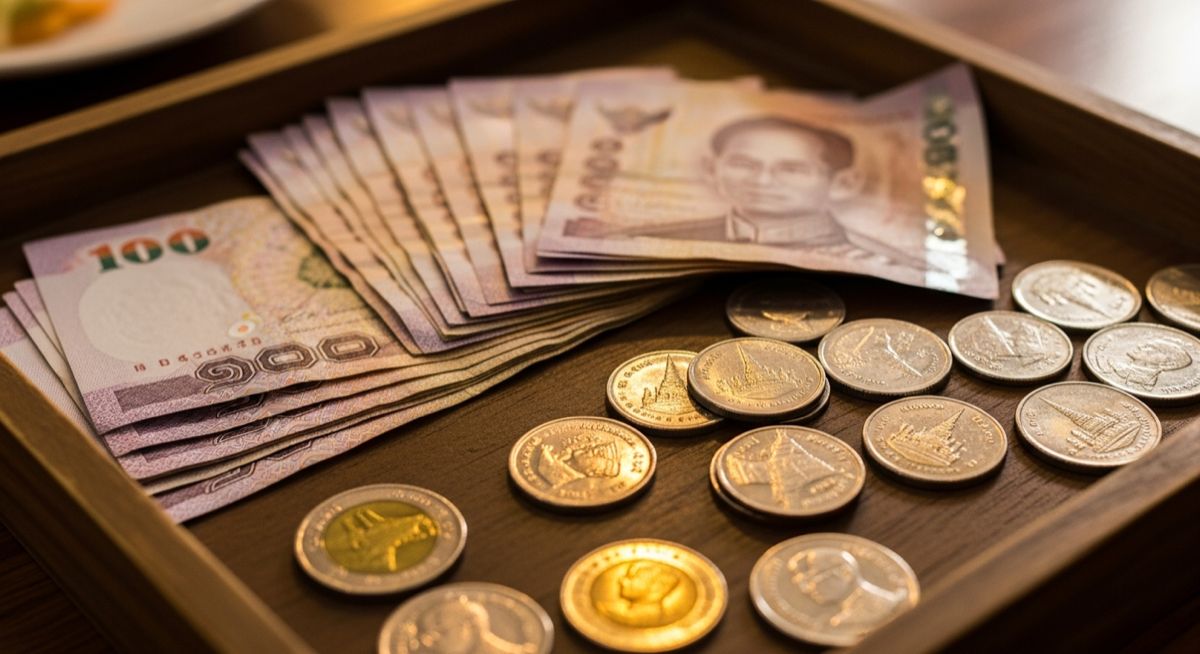
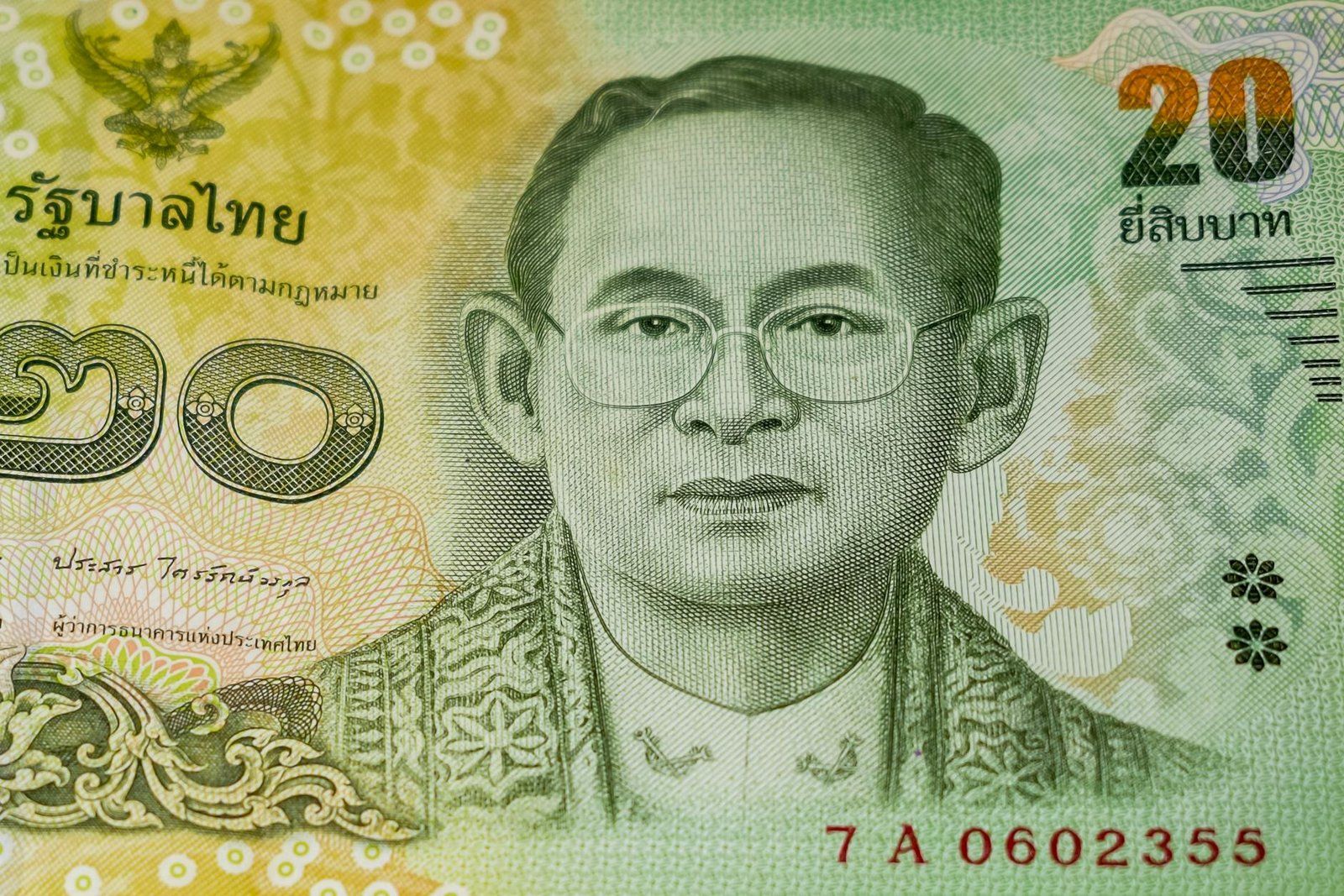
Keep a stash of 20 THB and 50 THB bills in your wallet at all times. When you exchange currency, make sure to get plenty of small denominations.
Keep a stash of 20 THB and 50 THB bills in your wallet at all times. When you exchange currency, make sure to get plenty of small denominations.
Summary: Tipping Amounts by Situation
| Situation | Tip Amount | Method |
|---|---|---|
| Street food | None | — |
| Regular restaurant | 20–40 THB | Leave on the table |
| Fine dining | 100 THB+ | Leave on the table |
| Regular massage | 50–100 THB/hour | Hand it directly |
| Premium spa | 100–200 THB | Hand it directly |
| Metered taxi | Round up | Cash |
| Grab/Bolt | Optional | In-app |
| Bellboy | 20–50 THB/bag | Hand it directly |
| Housekeeping | 20–50 THB/day | Leave on the pillow |
Tipping isn’t mandatory, but for service workers in Thailand, tips make a genuine difference in their daily lives. If you received good service during your trip, a small gesture of gratitude goes a long way.
For more on massage tipping, check out the Complete Thai Massage Guide. For getting around Bangkok without overpaying, see the Bangkok Transportation Guide. Want to know what you should absolutely never do in Thailand? Read the Royal Family Etiquette Guide. And for hotel-related tips, see the Joiner Fee Guide.