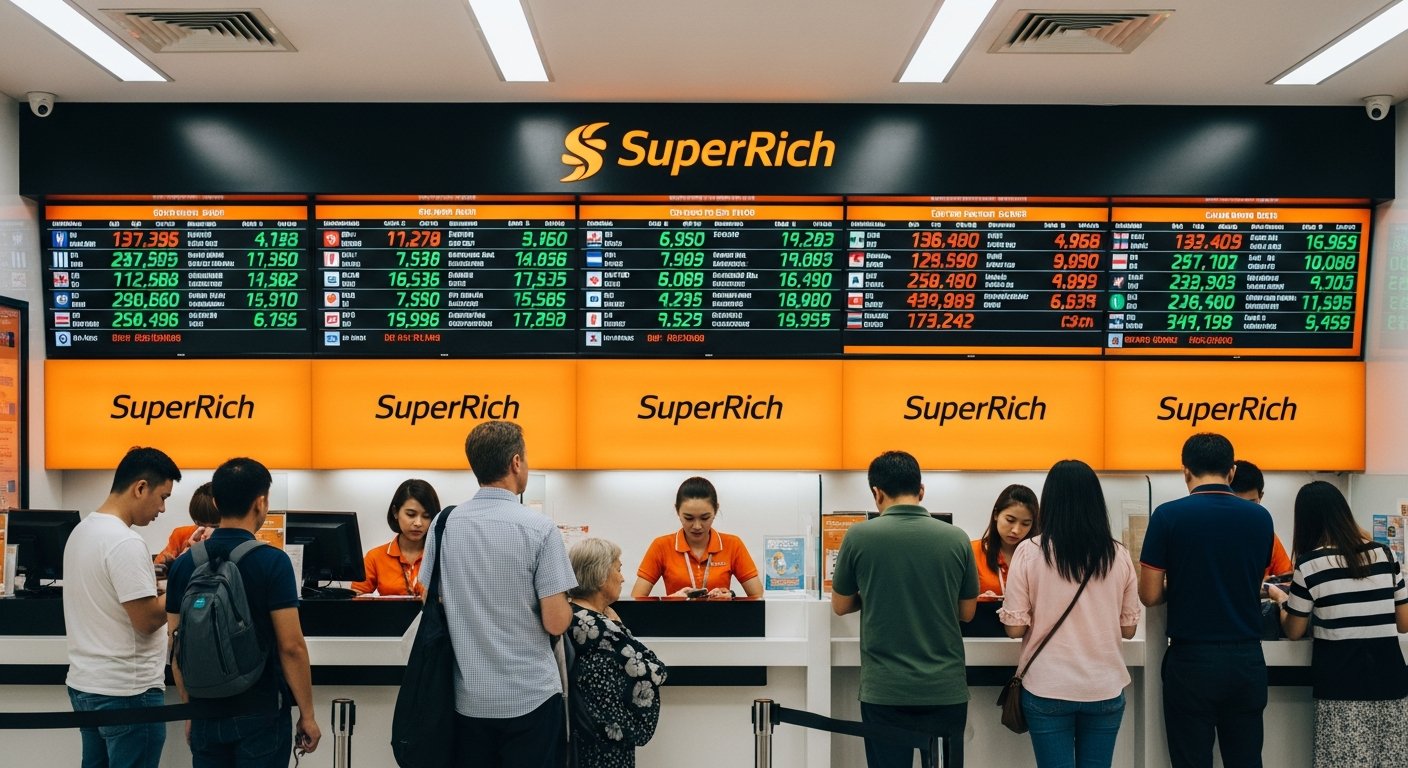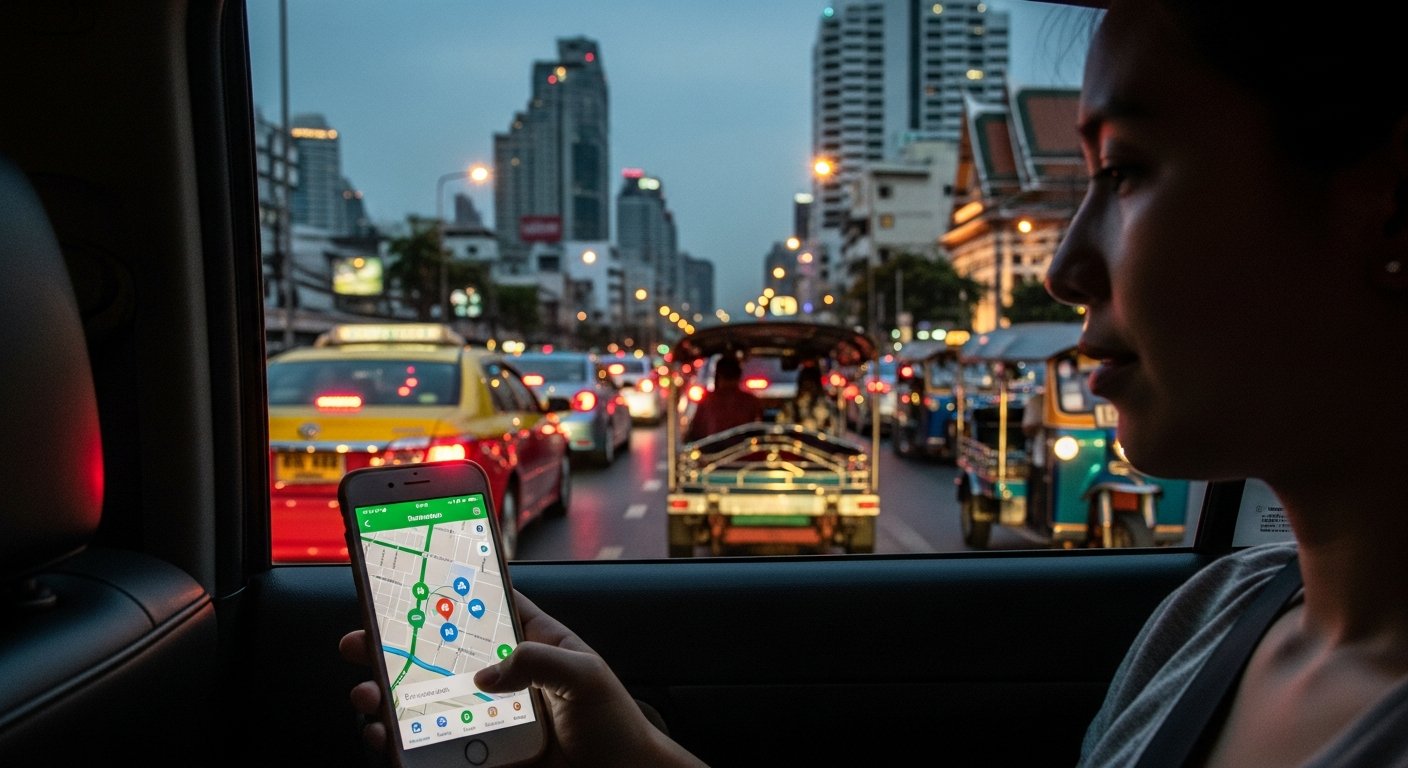
Ten years ago, getting around Bangkok meant standing on Sukhumvit in 35-degree heat, waving at taxis that either ignored you or quoted triple the meter price. Then Grab arrived, and it changed everything. Then Bolt showed up a few years later, and things got interesting. Now you have two apps fighting for your rides, and knowing how to play them against each other is one of the most useful skills you can develop in this city.
This is not a general transportation guide. This is the deep dive on Bangkok’s two ride-hailing apps — the real pricing differences, the tricks that save you money, and the scams that catch tourists every single week.
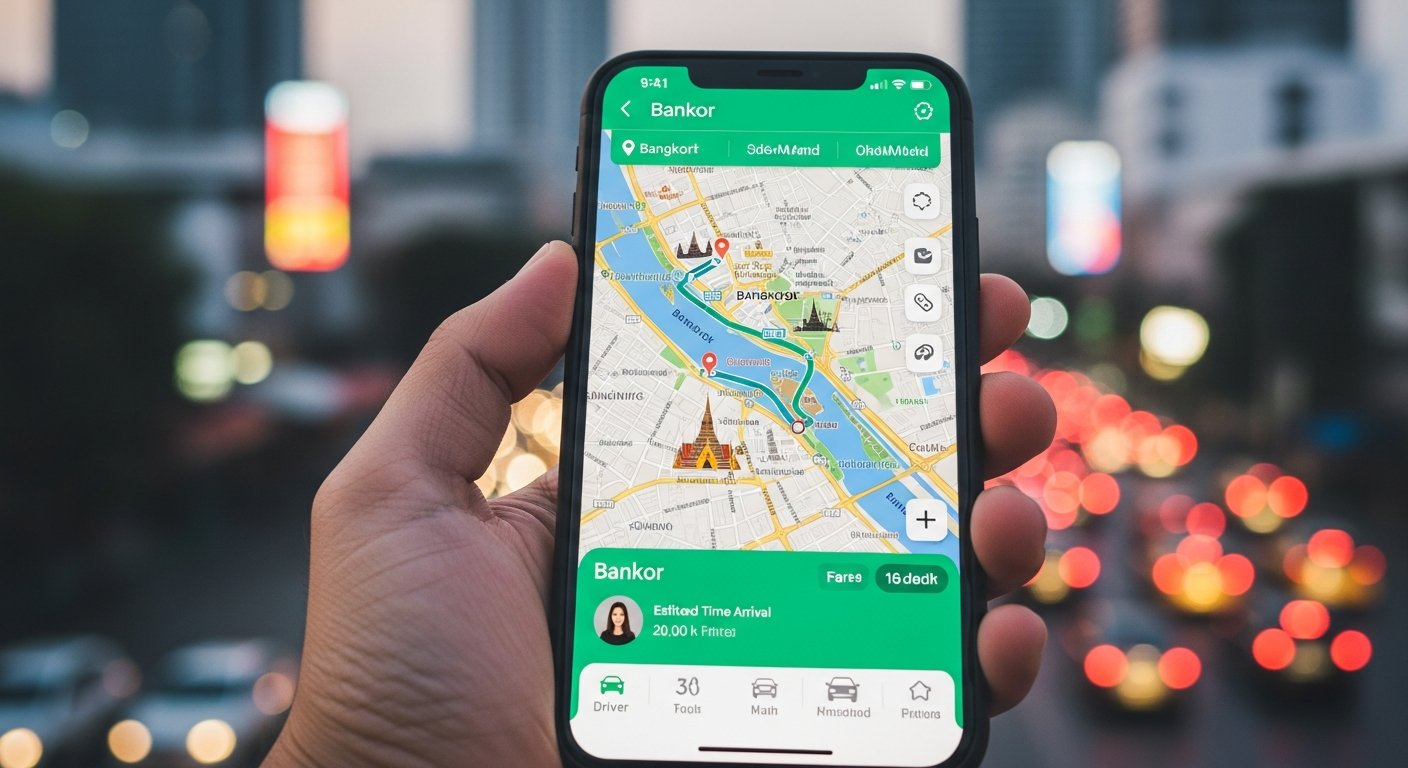
The Short Answer: Which One Should You Download?
TIP
Download both Grab and Bolt before you land. Checking both every time you need a ride regularly saves 30-80 baht per trip.
Both. Download both apps before you land. There is no single winner. Grab has better coverage and more car options. Bolt is usually cheaper for the same route. The smart move is to check both every time you need a ride and go with whoever offers the better price. That five seconds of comparison regularly saves you 30-80 baht per trip.
If you only download one, make it Grab. It works across Southeast Asia, has more drivers, and is the more reliable option late at night. But ignoring Bolt means you are leaving money on the table.
Grab vs Bolt: The Full Comparison
| Feature | Grab | Bolt |
|---|---|---|
| Base pricing | Higher by 10-25% | Usually cheaper |
| Surge pricing | Aggressive during rain/rush hour | Less aggressive, but fewer drivers |
| Car types | GrabCar, GrabCar Premium, GrabBike, GrabTaxi, GrabVan | Bolt Standard, Bolt Comfort, Bolt XL |
| Payment | Cash, credit/debit card, GrabPay wallet | Cash, credit/debit card |
| Coverage | Excellent — Bangkok, Pattaya, Chiang Mai, Phuket, islands | Good in Bangkok — weaker outside the city |
| Driver availability | High, even late night | Decent daytime, thinner after midnight |
| App language | Full English | Full English |
| Promo codes | Frequent, especially for new users | Very frequent, often more generous |
| Tipping | In-app tipping available | In-app tipping available |
| Customer support | Better, in-app chat + call | Basic, slower response |
| Estimated arrival | Reliable, 2-5 min typical | Reliable, sometimes slightly longer |
Which Is Cheaper — Grab or Bolt?
Bolt wins on base pricing most of the time. For typical tourist routes, Bolt is 10-25% cheaper than Grab. Here is what real rides look like on an average weekday afternoon with no surge:
| Route | Grab (THB) | Bolt (THB) | Difference |
|---|---|---|---|
| Suvarnabhumi Airport to Sukhumvit Soi 11 | 380-450 | 320-380 | Bolt saves 50-70 |
| Don Mueang Airport to Khao San Road | 300-380 | 260-320 | Bolt saves 40-60 |
| Siam to Silom | 80-120 | 65-95 | Bolt saves 15-25 |
| Sukhumvit Soi 11 to Yaowarat | 120-160 | 100-130 | Bolt saves 20-30 |
| Thonglor to Chatuchak | 150-200 | 120-170 | Bolt saves 30+ |
| Khao San Road to Asiatique | 130-180 | 110-150 | Bolt saves 20-30 |
Those savings add up fast. If you take three rides a day for a week, choosing Bolt over Grab could save you 500-1,000 baht. That is several meals or a solid Thai massage.
But here is the catch: Bolt has fewer drivers. During peak hours or heavy rain, Bolt might not find you a car at all while Grab still has options. The cheapest ride does not help if it never arrives.
When Does Surge Pricing Hit?
Surge pricing is the single biggest thing that inflates your ride cost, and understanding the patterns saves you real money.
Peak surge windows:
- Morning rush: 7:30-9:00 AM — commuters flooding in, prices spike 1.3-1.8x
- Evening rush: 5:00-7:30 PM — the worst window, especially on Friday evenings, 1.5-2.5x
- Rain: Any rain at all triggers surge. Heavy rain can push prices to 2-3x normal. This is Bangkok’s biggest ride-hailing trap
- Late night: 1:00-3:00 AM on weekends, particularly around Sukhumvit, Thonglor, and RCA
How to beat surge pricing:
- Wait 10-15 minutes. Surge pricing is dynamic. Sometimes checking again after a short wait drops the price by 30-40%
- Walk two blocks. Surge zones are hyper-local. Moving 200 meters from a nightlife cluster to a quieter street can reduce the fare significantly
- Compare both apps. Grab and Bolt surge independently. One might be 2x while the other is 1.2x
- Avoid booking the instant it starts raining. Everyone opens their app simultaneously. Wait out the initial spike — it usually calms down within 15-20 minutes
- Pre-book when possible. Grab lets you schedule rides up to 7 days ahead. If you know you need an early airport transfer, book it the night before at the non-surge rate

Payment Methods: What Actually Works
Credit/debit cards: Both apps accept Visa and Mastercard. Link your card before you arrive. Some international cards get declined — if yours does, try a different card or use cash. Wise and Revolut virtual cards work well in both apps.
Cash: Both apps have a cash option, and it works fine. Drivers do not mind cash, but carry small bills. Handing a driver a 1,000-baht note for an 85-baht ride will get you a look. Keep a stack of 20s, 50s, and 100s for rides. For more on managing your cash in Bangkok, check the Bangkok Money and SIM Card Guide.
GrabPay wallet: Grab has its own wallet system. You can top it up via 7-Eleven or linked bank account. Useful if you live here. Not worth the hassle for tourists.
Pro tip: Set your default payment to card. It is faster, avoids the change problem, and gives you a digital receipt for expense tracking. Switch to cash only when a driver specifically requests it or when your card is acting up.
Airport Pickup: The Most Important Ride of Your Trip
Getting from Suvarnabhumi Airport to your hotel sets the tone for your entire trip. Do it wrong and you start Bangkok frustrated and overpaying. Here is exactly how to do it right.
At Suvarnabhumi (BKK):
- Clear immigration, grab your bag, pass through customs
- Do NOT approach the taxi counter or the drivers holding signs in the arrivals hall — these are the most expensive options
- Follow signs to Level 1 (ground floor). The ride-hailing pickup is at Gate 4 on Level 1 — but first, book your car from inside the terminal while connected to airport WiFi
- Open both Grab and Bolt, compare prices, book the cheaper one
- Share your pickup pin at Gate 4 — the app will show your driver’s location and car details
- Typical fare to Sukhumvit: 320-450 baht depending on time and traffic. Highway tolls (25-75 baht per toll, usually 2-3 tolls) are added to the fare or paid in cash at the booth
At Don Mueang (DMK): The pickup system is less organized. Book from inside the terminal, then head to the designated ride-hailing pickup area on the ground floor, near the taxi queue. Drivers sometimes have trouble finding the exact spot — share your location in the app chat.
WARNING
Never approach the taxi counter or the drivers holding signs in the arrivals hall. These are the most expensive options. Book through Grab or Bolt from inside the terminal.
Common airport scam: A man in the arrivals hall approaches you saying “Taxi? Grab? Where you go?” He is not a Grab driver. He is a tout who will charge you 800-1,500 baht for a ride that costs 350 on the app. Smile, say no, keep walking.
How to Communicate with Drivers
Most Grab and Bolt drivers speak limited English. This is not a problem if you prepare correctly.
Before the ride:
- Drop your pin precisely. Zoom in on the map. Do not rely on the address search — Bangkok addresses are notoriously confusing. Place the pin on the exact building entrance or the nearest main road
- If your pickup is tricky (inside a soi, behind a mall), use the in-app chat to send your Google Maps pin or a photo of the location
- Learn the Thai name of your destination. “Suvarnabhumi” means nothing to many drivers — “Sa-na-bin Su-wan-na-phum” (the Thai pronunciation) does. Our Thai Survival Phrases guide covers the essentials
During the ride:
- If the driver calls (they often do to confirm pickup), answer even if you do not speak Thai. A simple “yes, I wait here” goes a long way
- Drivers navigate by GPS — do not worry if they take an unfamiliar route. The app tracks everything
- Use the in-app “add stop” feature for extra stops rather than trying to explain verbally
The language barrier workaround: Screenshot your destination in Thai from Google Maps before you book. If all else fails, you can show this to the driver. This single habit solves 90% of communication problems.

Booking Tricks the Locals Use
“The two-app price check takes five seconds and saves 20-80 baht per ride. Multiply that by three rides a day for a two-week trip and you have saved enough for a nice dinner.”
After a decade of daily ride-hailing in Bangkok, these are the habits that actually make a difference:
1. The two-app price check. Every single time. It takes five seconds and saves 20-80 baht per ride. Multiply that by three rides a day for a two-week trip and you have saved enough for a nice dinner.
2. The pin placement trick. If you are deep inside a soi (side street), do not put the pin at your exact location. Place it at the mouth of the soi on the main road. Walk there to meet the driver. This does three things: drivers accept faster because they see an easy pickup, you avoid the cancellation that happens when a driver cannot navigate your tiny soi, and the fare is slightly cheaper because the route calculation is shorter from the main road.
3. The rain delay. When it starts raining, do not immediately open the app. Every person in Bangkok does that simultaneously, and surge kicks in within seconds. Wait 15-20 minutes. If you are in a mall or a restaurant, order another drink. The surge drops faster than you think.
4. Schedule airport rides. Grab’s advance booking is your best friend for early morning flights. Drivers are pre-assigned, so you are not competing with the 5 AM surge when everyone else is trying to get to the airport too.
5. Build your rating. Be ready at the pickup spot when the driver arrives. Do not make them wait. Rate 5 stars unless something was genuinely wrong. Higher-rated passengers get accepted faster during busy periods.
6. Promo codes. Both apps constantly run promotions. Bolt is especially aggressive — sometimes 50% off your first ten rides. Check both apps’ promo sections before every ride. Stacking a promo on Bolt’s already lower base price makes the savings substantial.
Scams and Problems to Watch For
CAUTION
Never get in a car that does not match the app details. The plate number, car model, and driver photo must match. If a different car shows up, cancel and rebook.
The “app is not working” scam: Your driver arrives, then claims the app crashed and asks you to pay cash directly — always more than the quoted price. Never agree to this. The app works. If there is genuinely a technical issue, cancel and book a new ride.
The “wrong route” fare bump: On fixed-price rides (most Grab and Bolt trips), the route does not affect your price — you pay the quoted amount regardless. But on GrabTaxi (metered), the driver might take a longer route. Watch the GPS. If the deviation is extreme, note it and report through the app.
The cancel-and-rebook: A driver accepts your ride, then immediately calls asking where you are going. If the destination is inconvenient (traffic, too far, wrong direction from their home), they will ask you to cancel. Do not cancel on your end — you might get charged a cancellation fee. Let them cancel. If this happens three times in a row during surge, it might be worth waiting for the surge to pass.
Phantom toll charges: Some drivers take surface roads but still claim the toll amount. Check whether you actually went through a toll booth. If you paid tolls in cash and the app also charges them, dispute it in-app.
The bait-and-switch vehicle: A different car shows up with a driver saying “same same, I take you.” Never get in a car that does not match the app details. The plate number, car model, and driver photo must match.
Do You Still Need Regular Taxis?
Occasionally, yes. Metered taxis are cheaper than both Grab and Bolt for longer distances — especially when ride-hailing surge is active. A metered taxi from Siam to Don Mueang might cost 200-250 baht on the meter, while Grab quotes 350+ during rush hour.
The tradeoff: you lose tracking, the driver might refuse the meter, and communication is harder. But if you know the meter rules (covered in our Bangkok Transportation Guide), taxis remain a solid backup when surge makes app rides unreasonable.
FAQ
Can I use Grab or Bolt without a Thai phone number?
Yes. Both apps work with any international phone number for registration. You will receive verification codes via SMS. As long as you have mobile data — which you should set up immediately after landing, see our SIM card guide — both apps function normally on a foreign number.
Is it safe to take Grab or Bolt late at night?
Generally yes, and significantly safer than flagging a random taxi at 2 AM. Both apps track your ride in real time, record the driver’s identity and license plate, and let you share your trip with contacts. That said, standard precautions apply: sit in the back seat, keep your phone charged, and share your live location with someone you trust.
Why do drivers keep canceling my ride?
Three common reasons: your pickup point is hard to reach (deep inside a soi, wrong side of the road), the destination is in heavy traffic or far from where the driver wants to go, or surge pricing has just kicked in and the driver is hoping for a higher-paying ride. Fix the first problem by placing your pin on a main road. The other two are out of your control — just rebook.
Should I tip my Grab or Bolt driver?
Tipping is not expected, but appreciated. If the driver helped with luggage, navigated well, or the ride was smooth, a 20-40 baht tip or rounding up through the app is a nice gesture. For the full breakdown, check the Thai tipping culture guide.
Can I book a ride from Bangkok to Pattaya or other cities?
Grab offers intercity rides — roughly 2,000-2,500 baht to Pattaya. For solo travel, a bus from Ekkamai Terminal is smarter financially. But split a GrabCar between 3-4 people and it becomes very reasonable per person.