Chiang Mai has been the world’s de facto digital nomad capital for most of the last decade. Every nomad YouTuber has a “why Chiang Mai” video. Every “top 10 nomad cities” list has it at #1 or #2. The tropes are all true: cheap, walkable, coworking-dense, fast internet, dinner for ฿80. What’s changed in the last two years is the visa math, and it’s the single biggest update to the Chiang Mai nomad story in a decade.
I’ve watched a lot of friends pass through Chiang Mai on six-week stopovers. Some came back for years. Some burned out in a month. Here’s what the YouTube videos leave out, and how to actually set up a working trip here.
The DTV Visa — The Big 2024 Change
Thailand’s Destination Thailand Visa (DTV), launched in July 2024, is the reason Chiang Mai’s nomad scene has gone from “workaround visa” to “legitimately set up for it”. Quick version:
- 5-year multi-entry visa
- 180 days per entry (one extension of 180 more days per entry available in-country)
- ~฿10,000 fee (about $280 USD)
- Eligibility: remote workers with a foreign employer, freelancers with foreign clients, workation travelers — broadly anyone earning outside Thailand who can show 500,000 THB in bank savings (~$14,000)
This replaces a decade of border-run chaos. Previously, nomads pieced together 30-day visa exemptions, education visas for unused Thai classes, and monthly border runs to Mae Sai or Laos. The DTV ends that. For the old-school border run process, our visa run guide still covers the history and backup strategies.
What it actually means: you can legally stay in Chiang Mai for 6 months at a stretch, leave for any reason (even a beach weekend in Bali), and come back for another 6 months — for 5 years. That’s a different category of long-stay planning than the 30-day-loop era.
IMPORTANT
DTV requirements and processing details have evolved since launch. Verify the current rules with a Thai embassy before applying — most reliable through Thai embassies in Vientiane (Laos), Phnom Penh (Cambodia), or Kuala Lumpur (Malaysia) rather than home-country applications.
Where to Live — The Three Neighborhoods
Chiang Mai’s nomad geography is concentrated in three areas. Each has a distinct feel. Where you stay will define your trip more than any other choice.
Nimmanhaemin (“Nimman”)
The classic nomad neighborhood. West of the Old City, walking distance to everything that matters. High concentration of coworking spaces, cafes, restaurants, cocktail bars (see our Chiang Mai nightlife guide), supermarkets, fitness studios. The downside: popularity has priced this out of the “cheap Chiang Mai” fantasy. Studio apartments now run ฿12,000 to 22,000/month.
Who it’s for: first-time nomads, social nomads who want to meet other nomads, people on 1–2 month stays who want maximum convenience.
Santitham
Just north of Nimman, north of the canal. Old Chiang Mai middle-class neighborhood with local markets, cheaper cafes, family restaurants, and a significant long-term expat population. Studios ฿7,000 to 12,000/month.
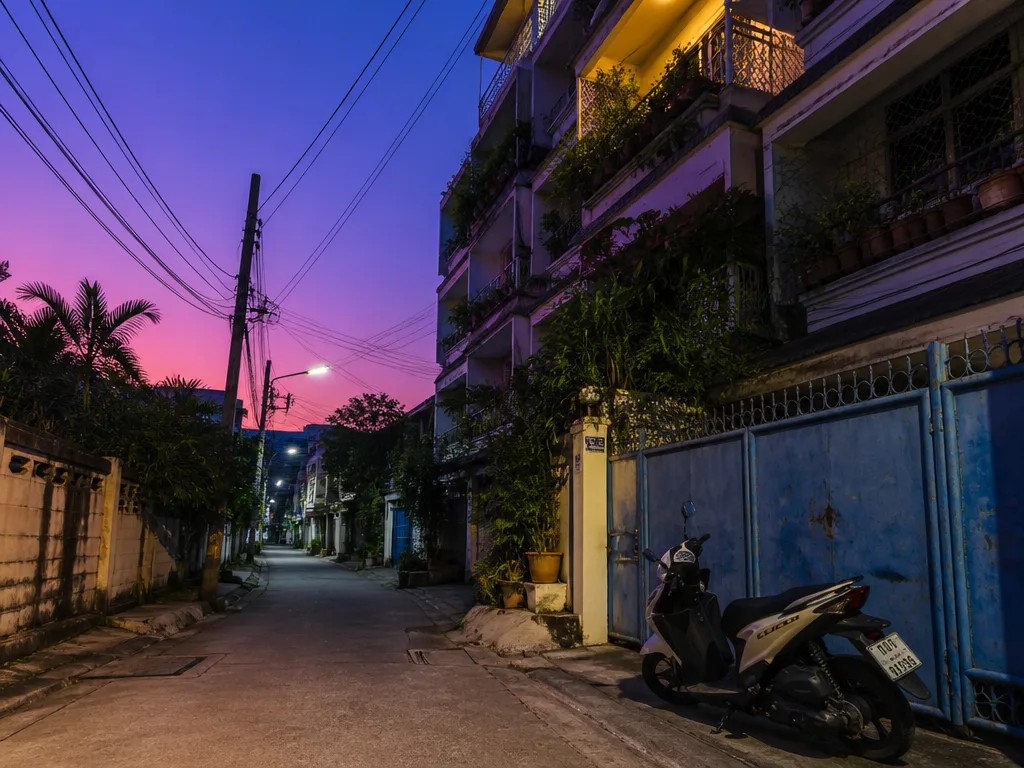
Who it’s for: second-time nomads, 3+ month stays, people prioritizing local life over nomad community. Walking distance to Nimman when you want that energy.
Old City / Tha Phae
Inside or immediately around the ancient moat. Temples, tourists, Sunday Walking Street, cheaper short-term rentals. Studios ฿8,000 to 14,000/month. Less nomad-focused, more tourist-focused.
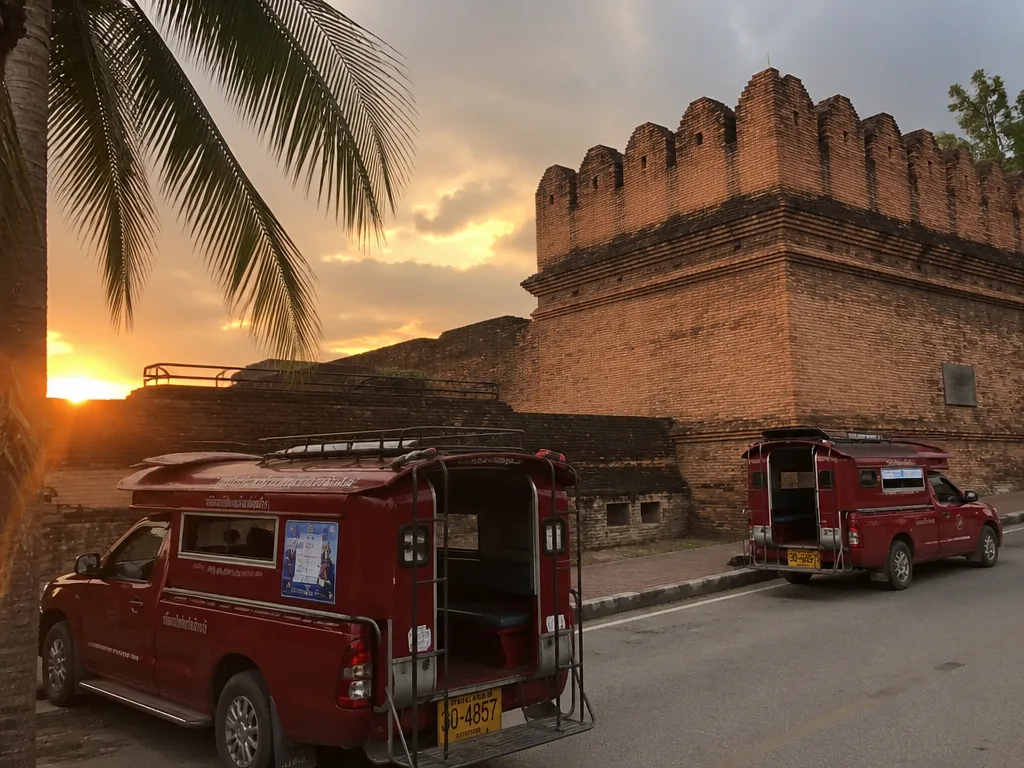
Who it’s for: shorter stays (2–6 weeks), people who prioritize cultural immersion over coworking convenience.
The Real Cost of Living — 2026 Numbers
“Chiang Mai is cheap” is a relative statement. It’s cheaper than Bangkok. Bangkok is cheaper than Singapore. Here’s the 2026 reality for a comfortable but not luxurious nomad lifestyle.
| Category | Budget Nomad | Comfortable Nomad | Comfortable+ |
|---|---|---|---|
| Rent (studio/1-bed) | ฿8,000 | ฿15,000 | ฿25,000 |
| Utilities + internet | ฿1,500 | ฿2,500 | ฿3,500 |
| Food (mix of local + some western) | ฿8,000 | ฿15,000 | ฿25,000 |
| Coworking | ฿0 (cafe-only) | ฿3,500 | ฿6,000 |
| Transport (scooter rental + fuel) | ฿3,000 | ฿4,000 | ฿5,000 |
| Gym / fitness | ฿0 | ฿1,500 | ฿3,500 |
| Entertainment / bars | ฿2,000 | ฿5,000 | ฿10,000 |
| Massage / wellness | ฿1,000 | ฿3,000 | ฿6,000 |
| Incidentals | ฿2,000 | ฿3,500 | ฿6,000 |
| Monthly total | ฿25,500 | ฿53,000 | ฿90,000 |
| USD approx | $720 | $1,500 | $2,550 |
For comparison, Bangkok’s equivalent numbers run roughly 40 to 60% higher. See our Bangkok long-stay guide for the capital’s breakdown.
Reality check: The “$700/month Chiang Mai” stories from 2016–2019 are mostly gone. You can still do it (all-local food, scooter, basic studio, no-cost fitness), but the lifestyle that made Chiang Mai famous (cafes with flat whites, gym membership, monthly massages, occasional cocktails) lands around $1,500/month in 2026.
Coworking — The Top 5
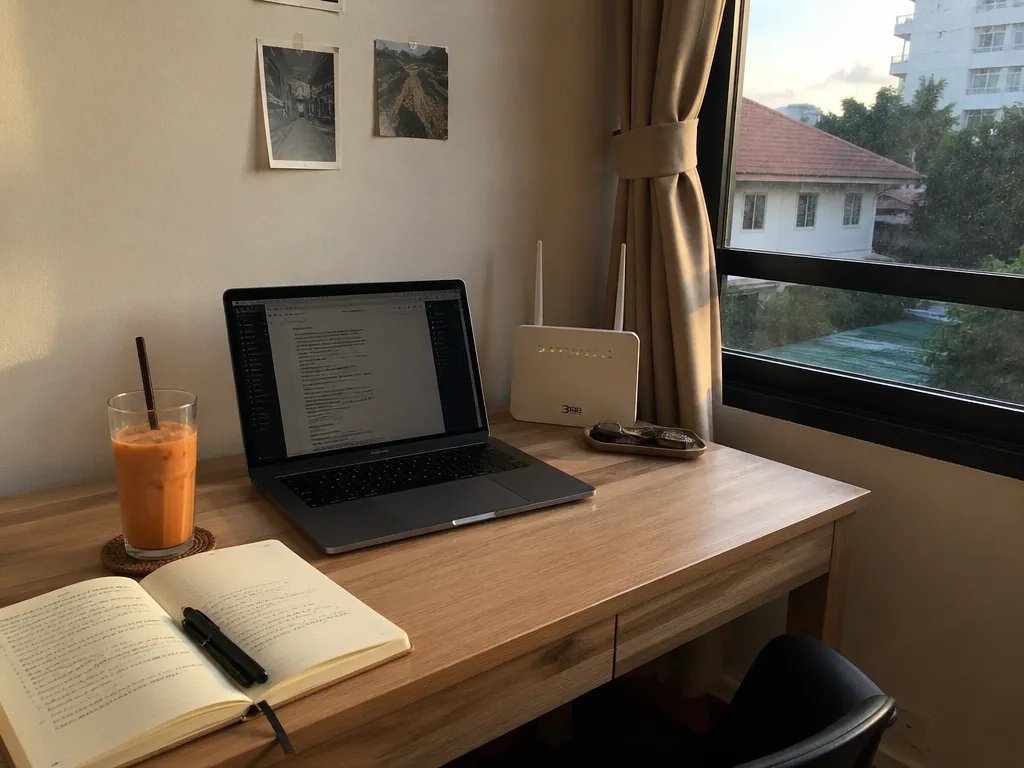
Chiang Mai has 20+ coworking spaces. Most are mediocre. A handful are genuinely excellent and they’re the ones to book.
Punspace (Nimman + Tha Pae)
The longest-running Chiang Mai coworking, and still arguably the best for serious working. Three locations. Clean, professional, reliable internet (500+ Mbps), quiet zones, soundproof call booths. ฿3,500/month. The Wiang Kaew location is the quietest.

CAMP by CMU
On the top floor of Maya Mall in Nimman. Free to enter during the day (you buy a coffee). 24/7 access requires Maya Mall student membership — easier said than done for foreigners, but possible. The free version is the best “cafe-coworking” value in Thailand if you can handle a busy university-student atmosphere.
The Hoffice
Recent premium addition, Nimman Soi 15. Glass-walled, plant-heavy, designed by the same firm that did Ari’s cafe scene. ฿4,500/month, the highest-end coworking in Chiang Mai. Members-only cafe and event programming. Good for tier-B networking.
Yellow Coworking
Old City, boutique scale (60-person capacity). ฿3,000/month. More community-driven than Punspace — they run regular dinners, skill-share events, and have a Slack group that’s actually active.
Alt Chiang Mai
Santitham neighborhood, bohemian warehouse aesthetic, heavy creative/freelancer crowd. ฿2,800/month. Rougher edges than Punspace, but more interesting hallway conversations.
Cafe-only route: If you’re on a budget or a short stay, Chiang Mai’s cafe scene supports cafe-working better than almost any city in the world. Ristr8to, Graph Ground, Akha Ama, Free Bird Cafe, and dozens of Nimman cafes expect people to buy one coffee and work for 2–3 hours. For the broader Chiang Mai cafe landscape, see our Chiang Mai food guide. If you want a dedicated breakdown of the best cafes for working and specialty coffee, our Chiang Mai cafe guide goes deeper on the specific spots, wifi quality, and which neighborhoods have the best concentration.
Internet — The Reality
Chiang Mai’s internet is genuinely good, despite occasional nomad forum complaints. 500–1,000 Mbps fiber is standard in most modern apartment buildings. 100–200 Mbps is the floor for older buildings.
What can go wrong:
- Power outages during storm season (June to September). Invest in a battery pack
- Peak evening congestion (8 to 11 PM) on consumer connections. Noticeable for video calls
- Old building copper wiring. Ask before signing a 3-month lease
Mobile data: AIS and TrueMove both offer ฿1,000/month unlimited 5G plans. 5G coverage in Nimman and Old City is strong. Outside the city center, it drops to 4G quickly. Our money and SIM guide covers the SIM purchase process. Identical in Chiang Mai.
Coffee Culture — The Genuine Edge
One genuine Chiang Mai advantage you won’t find in Bangkok or Ho Chi Minh City: the quality and density of specialty coffee. Thailand’s best Arabica (Doi Chaang, Doi Tung, Doi Inthanon) grows in the mountains north of the city, and the roaster culture is serious.
- Akha Ama Coffee (Santitham): the original, Akha-tribe owned
- Graph Ground (Nimman): experimental, minimalist
- Ristr8to (Nimman): latte art champions, pour-over focus
- Roast 8ry (Santitham): micro-roaster, direct-trade focus
- A Cup of Joy (Tha Phae): quieter, hidden gem
Bangkok’s coffee scene is bigger (see our Bangkok cafe guide for that), but Chiang Mai’s is more concentrated. You can walk to 5 world-class shops from any Nimman apartment.
Fitness and Wellness
Chiang Mai’s wellness infrastructure is a major quality-of-life advantage:
- Gyms: We Fitness (chain, ฿1,500/month), Flex Chiang Mai (better equipment, ฿2,500), Fitness First Nimman (Western-style, ฿3,500)
- Yoga: Yoga Tree (Nimman, drop-in ฿300), Wild Rose Yoga (Santitham, ฿350), Freedom Yoga (drop-in ฿250)
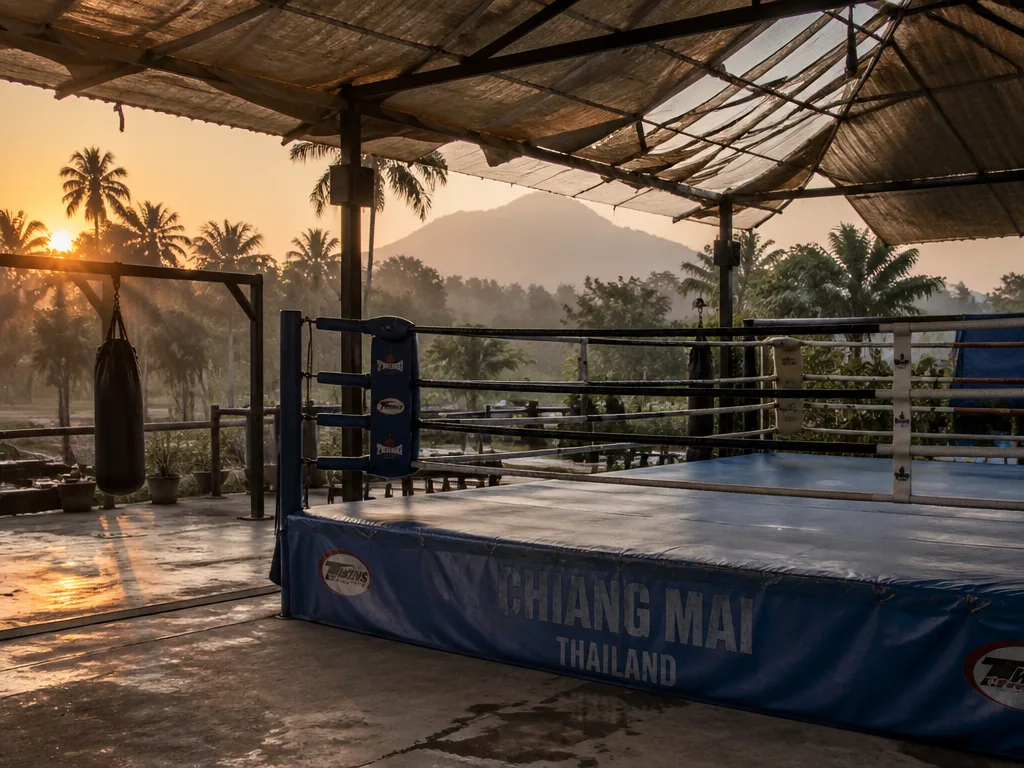
- Muay Thai: Sangha Muay Thai (serious training camp, ฿500 drop-in), Hong Thong Gym (beginner-friendly, ฿300 drop-in)
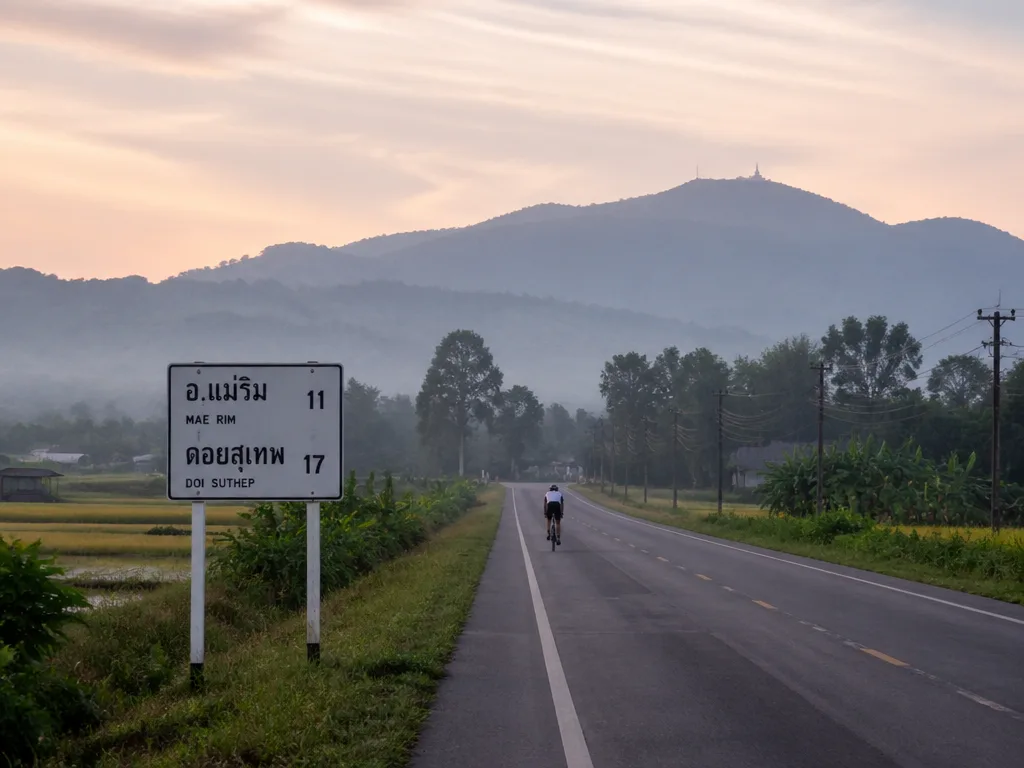
- Cycling: The Mae Rim loop (35 km) north of the city is one of Thailand’s best road-cycling routes
- Running: Huay Kaew Arboretum for morning runs; Ang Kaew Reservoir at CMU for evening loops
- Massage: covered in depth in our Chiang Mai massage guide. Weekly massages at ฿250 to 400 are standard for long-stay nomads here
This combination of cheap world-class massage, cheap gyms, accessible yoga, legitimate muay thai, and mountain cycling is part of what makes Chiang Mai work as a long-stay city.
Community — Where Nomads Actually Meet
Chiang Mai Nomad community lives in three places:
Nomad List meetups
Weekly Thursday nomad meetups at rotating bars. Search “Chiang Mai Nomad List” or the Meetup.com listing. 50–150 attendees, mostly first-time and second-time nomads.
Coworking space events
Punspace, Yellow, and Alt all host monthly community dinners, skill-share nights, and “new member” coffees. Best place to meet nomads actually doing real work.
Facebook groups
“Chiang Mai Digital Nomads” (20K+ members) is active with apartment listings, meetup announcements, and daily life questions. “Chiang Mai Expats” (older demographic, more long-term residents) is useful for deeper local knowledge.
Cafes that host community
Graph Ground, Roast 8ry, and Free Bird Cafe all have regular customers who nomad-cluster there. Pick one as your “regular” and you’ll recognize faces within a week.
The Mental Health Side
This doesn’t appear in nomad YouTube videos. Chiang Mai is an intense experience for long-term nomads:
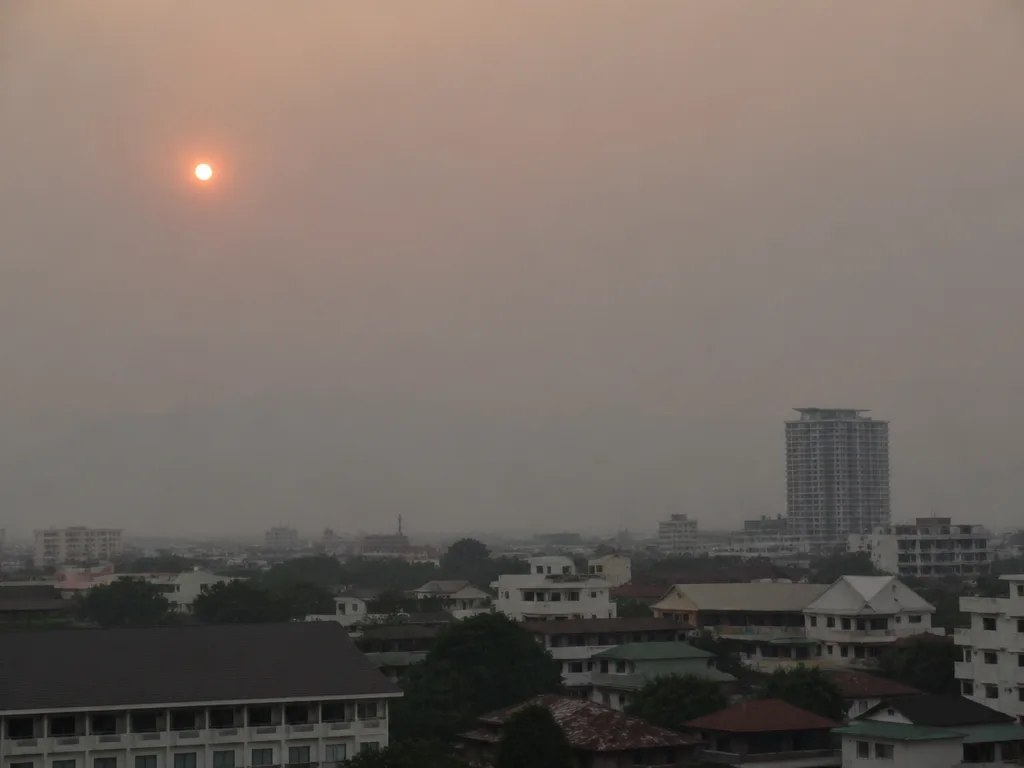
- Burn smoke season (February to April): Agricultural burning in northern Thailand and Laos produces AQI readings regularly above 200 (hazardous). Many long-term nomads leave Chiang Mai entirely for these 2 to 3 months. Plan around it. If you’re here during smoke season, invest in a proper HEPA air purifier (฿3,000 to 6,000) for your apartment.
- Isolation after the initial social rush: First month you meet 40 people. Months 3 to 6 the social energy fades as short-term nomads cycle out. Active nomads build routines and recurring hangouts to compensate.
- The “never leave” trap: Chiang Mai is comfortable enough that years can pass. Some people build real lives here, which is fine. Others coast on the low cost of living and wake up five years later with no career momentum. Set internal checkpoints.
The Burn Season Reality Check
February to April air quality in Chiang Mai is genuinely bad. This isn’t a marketing-problem exaggeration. PM2.5 readings of 150 to 300+ are common for weeks at a time during peak burn season. The government has repeatedly declared northern Thailand’s air quality a public health crisis during these months.
What nomads actually do:
- Leave for 2 to 3 months (Bali, Da Nang, Bangkok, Koh Phangan are all common escapes)
- Stay indoors with HEPA purifiers and commercial-grade masks when outside
- Pretend it’s not happening (don’t do this. It’s a measurable health risk)
If you’re planning a Chiang Mai year, plan it as Chiang Mai Oct to Feb, elsewhere Feb to April, then Chiang Mai May to Sep.
Getting Around
Scooter is the default nomad transport. ฿3,000 to 4,500/month for a long-term rental (Honda Click or PCX), fuel ฿500 to 1,000/month. Requires international driving permit (technically required, rarely checked). For the realistic risk picture, see our Bangkok transportation guide. The principles are similar.
Grab/Bolt work reliably. ฿60 to 150 for most Nimman-area rides.
Songthaews (red truck shared taxis) cruise the city. ฿30 to 50 for most rides. Wave one down, tell them the destination, negotiate if necessary.
Walking inside Nimman or the Old City is realistic. Between neighborhoods, Santitham to Old City is 25 minutes on foot, doable.
The “Chiang Mai Isn’t What It Used To Be” Discussion
You’ll hear this. From long-term expats. From 2016-era nomads. From YouTubers who visited twice. Some of it’s true (prices up, burn season worse), some of it’s nostalgia.
What’s actually true in 2026:
- Prices are up 30 to 50% from the 2017 baseline, not 3 to 5x like some claim
- The community has shifted from early-career bootstrappers to established remote workers with employer contracts
- The infrastructure is better, with better internet, more legitimate coworking, and better apartment stock
- The burn season is measurably worse than it was a decade ago
- The DTV visa changed the game for legitimate long-term stays
If you’re comparing Chiang Mai 2026 to Chiang Mai 2016, it’s different. If you’re comparing Chiang Mai 2026 to any other potential nomad city in 2026, it’s still one of the best 3–4 options on the planet.
FAQ
Can I actually get the DTV visa easily?
“Easily” depends on country. Reports from 2025 indicate Thai embassies in Vientiane, Phnom Penh, and Kuala Lumpur process DTV applications most smoothly. Home-country applications vary widely in processing time and documentation requirements. Budget 2–4 weeks for the process.
Is Chiang Mai better than Bali or Lisbon for nomads?
Different tradeoffs. Bali is prettier but worse internet and messier logistics. Lisbon is European quality-of-life with European pricing. Chiang Mai wins on dollar-efficiency for lifestyle quality — coffee, food, massage, fitness — and is roughly 40% the cost of Lisbon for comparable day-to-day comfort.
When is the best time to come?
November–February. Cool weather (15–25°C at night), no rain, clean air, peak nomad season. Book accommodation 1–2 months ahead for this window. Avoid February–April entirely unless you have a reason to be here.
How long should my first trip be?
Three weeks minimum to understand whether it fits you. One week is tourism, not a nomad trip. Four to six weeks is the standard “try it out” duration — long enough to find rhythm, short enough to leave if it’s not for you.
Do I need to speak Thai?
No. Nimman and the Old City are English-functional. Basic greetings help. Our Thai survival phrases guide covers 20 expressions that make daily interactions smoother. After 3 months you’ll find yourself using more Thai than you expect.
Is Chiang Mai safe for solo female nomads?
Yes. Chiang Mai is consistently rated one of the safer nomad cities globally. Standard precautions apply. Solo female nomads are a visible and well-represented group in the community.
Chiang Mai works for long stays in a way that few cities do. The coworking, coffee, food, wellness, and (now) visa infrastructure is dialed in. The community cycles but persists. The tradeoffs (burn season, slow-moving professional scene, “never leave” trap) are real but manageable.
If you’re considering it, come for 4 weeks first. If it sticks, come back for 4 months. If it sticks again, the DTV makes 5 years realistic without the old border-run nonsense. For the rest of our Chiang Mai coverage, see our Old City guide, food guide, nightlife guide, and massage guide.