Thailand travel insurance is one of those topics where the correct advice is boring: get it. The more interesting question is what coverage actually matters, what’s overkill, and which specific Thai scenarios your policy needs to cover. Because Thailand has a few traps that generic “international travel insurance” doesn’t always handle well.
Why Thailand Specifically Needs Insurance
The Hospital Cost Reality
Thailand has excellent private hospitals — Bumrungrad, BNH, Bangkok Hospital are genuinely world-class. They’re also genuinely expensive for the uninsured. A broken leg with surgery: $8,000–15,000. An ICU stay after a motorbike accident: $20,000–80,000. Medical evacuation to your home country: $50,000–150,000. These numbers bankrupt tourists every year.
The Thai public hospital system is affordable but has long waits, limited English, and quality varies dramatically. If you need emergency care, you want a private hospital — and you want insurance to pay for it.
The Three Scenarios That Bankrupt Tourists

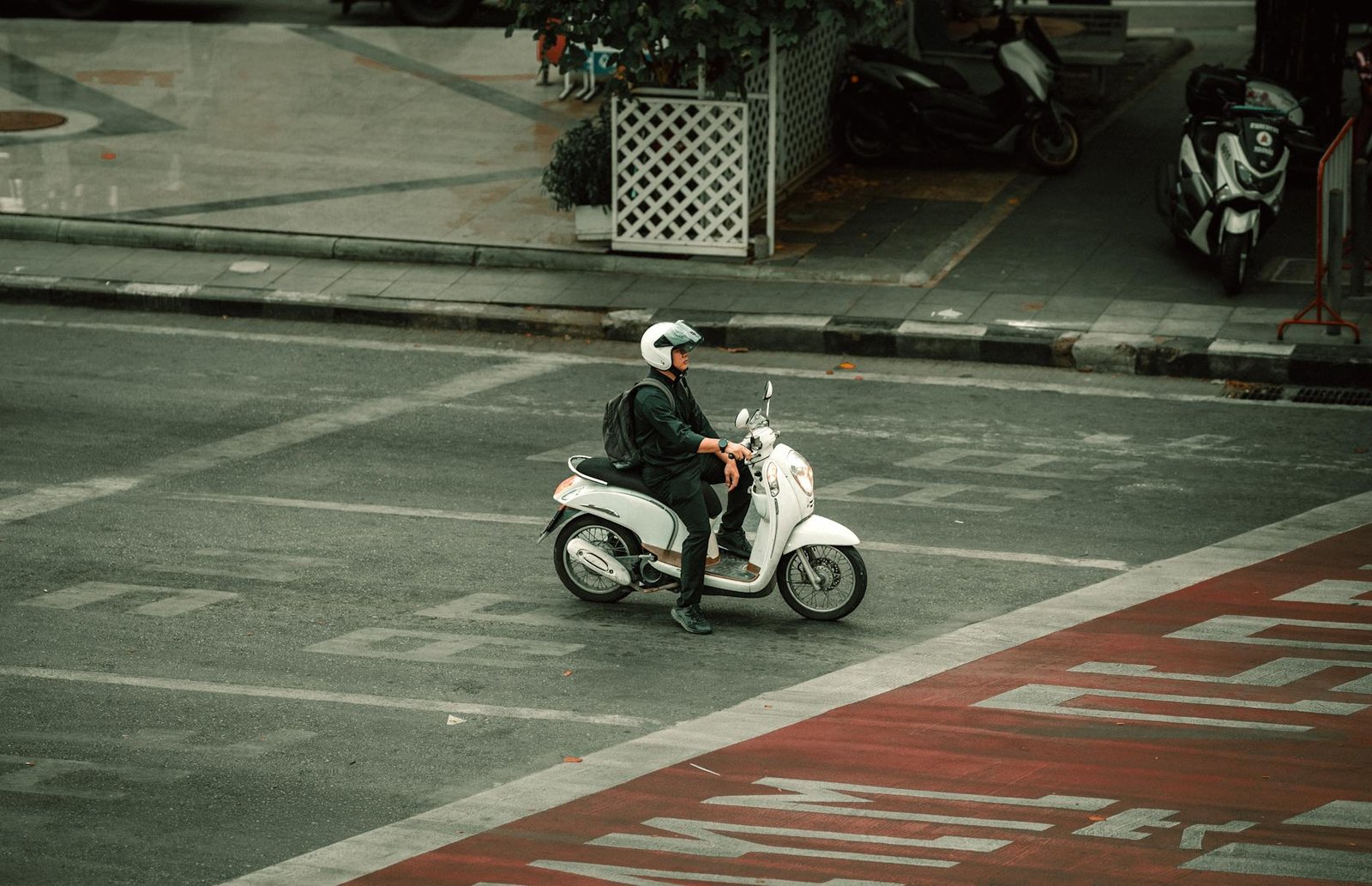
1. Motorbike Accidents This is the #1 insurance claim for tourists in Thailand. Scooter rental is ubiquitous (฿200–350/day in most beach towns), helmets are optional in practice, and tourists regularly crash on unfamiliar roads, especially on islands (Koh Samui, Koh Phangan, Phuket). Many policies exclude motorbike injuries unless you have a valid motorcycle license from your home country — check your policy.
2. Water Activities Snorkeling, diving, jet skiing, cliff jumping. Open-water incidents can escalate to hyperbaric chamber treatment ($3,000–10,000 per session for decompression sickness) or emergency boat evacuation from islands. Some policies classify these as “adventure sports” and exclude them without a rider.
3. Food Poisoning → Hospitalization Most stomach issues resolve on their own. But severe food poisoning — especially from raw shellfish — can mean 2–3 days of IV drip and observation in a private hospital. Cost: $1,000–3,000. Common enough that it’s worth mentioning.
What Coverage You Need
Medical Coverage: $100,000 Minimum
$50,000 sounds like a lot until someone rear-ends your taxi and you need surgery. $100,000 covers almost any realistic scenario short of a multi-week ICU stay. $250,000 if you want full peace of mind.
Emergency Evacuation: $50,000+
If you’re on Koh Tao and need to get to Bangkok’s Bumrungrad Hospital, or if you need repatriation to your home country, this covers the air ambulance and medical transport.
Motorbike Clause
Read the fine print. Many policies:
- Exclude motorbikes entirely
- Cover motorbikes only if you have a valid motorcycle license
- Cover motorbikes under 125cc only
- Require a helmet (which you should wear regardless)
If you plan to ride a scooter in Thailand — and most visitors do on the islands — your policy MUST cover this.
Trip Cancellation / Interruption
Less critical than medical, but useful. Thai airlines (especially budget carriers) cancel or reschedule flights with minimal notice. ฿5,000 hotels during peak season (Songkran, New Year) are non-refundable. Trip cancellation coverage handles these.
Baggage Loss
Bangkok’s airports handle millions of bags. They lose some. Domestic budget airlines (AirAsia, Nok Air) have more aggressive weight limits and handling. Coverage for lost/delayed baggage is standard in most policies.
What You Don’t Need
- Cancel for Any Reason (CFAR): Expensive add-on. Unless you’re spending $10,000+ on non-refundable bookings, not worth it for Thailand.
- Rental car coverage: You probably won’t rent a car in Thailand. If you do, the rental agency offers CDW cheaper than your travel insurance rider.
- Extreme adventure sports: Unless you’re bungee jumping or paragliding, standard adventure coverage is sufficient. Normal snorkeling, diving (PADI certified), and hiking are covered by most policies.
Recommended Providers
These consistently appear in “best for Thailand” recommendations from expat communities:
For Short Trips (1–4 weeks)
- World Nomads — The backpacker standard. Good adventure sports coverage, easy online purchase, covers motorbikes (check specific plan).
- SafetyWing — Monthly subscription model. Popular with digital nomads. Good medical coverage, weaker trip cancellation.
- Allianz Travel — Traditional insurer, comprehensive coverage, good claims process.
For Long Stays (1–12 months)
- SafetyWing Nomad Insurance — Monthly billing, no contract. Works well for the 3–6 month digital nomad pattern common in Chiang Mai.
- IMG Global — Longer-term international medical. Good for 6+ month stays.
- Cigna Global — Premium option. Expensive but covers everything including pre-existing conditions on some plans.
Our pick for most Thailand travelers: SafetyWing Nomad Insurance. Month-to-month billing means you can extend if you stay longer, cancel if you leave early, and medical coverage actually pays out for Thai private hospitals. Cheaper than most annual policies for trips under 3 months. (Adventure-sports travelers on scooters should double-check the motorbike clause on their specific plan.)
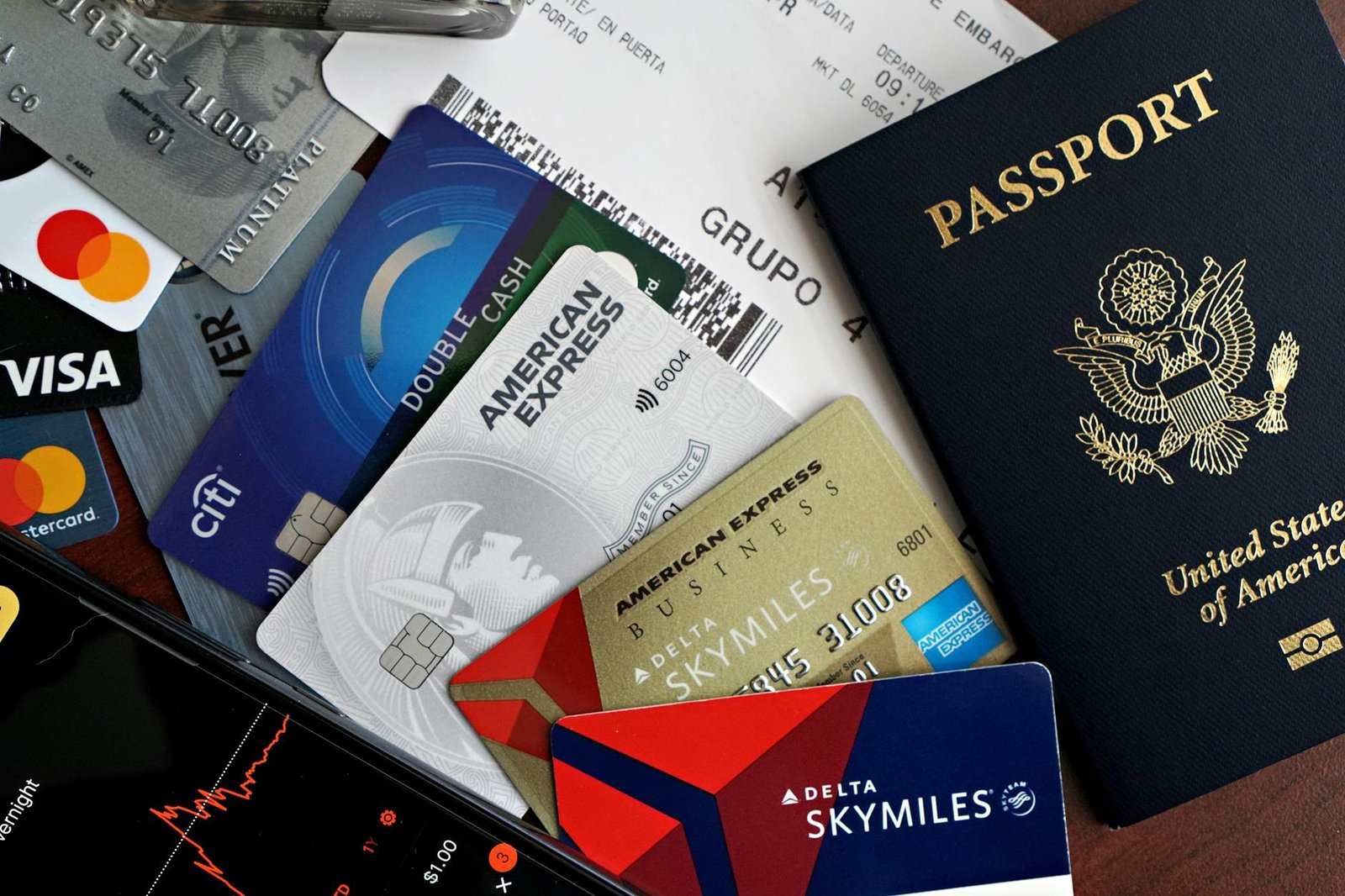
Credit Card Travel Insurance
Some credit cards (Chase Sapphire Reserve, Amex Platinum, etc.) include travel insurance when you book flights with the card. Check:
- Does it cover medical? (Many don’t, or have low limits like $10,000.)
- Does it cover motorbikes?
- Does it cover Thailand specifically? (Some exclude certain countries.)
- What’s the claims process? (Some require upfront payment with reimbursement later — problematic in a Thai ER.)
Thai Hospital Tips

If you need a hospital in Thailand:
- Private hospitals accept insurance directly in many cases. Bumrungrad, BNH, and Bangkok Hospital have international patient centers that coordinate with global insurers. Present your insurance card/details on arrival.
- You may need to pay upfront. Some hospitals require a deposit (฿20,000–100,000) before treatment, especially in emergencies. Your insurance reimburses — but you need the cash or credit card available.
- Keep all receipts. Prescription receipts, hospital bills, doctor’s notes. Claims without documentation fail.
- Pharmacy option: For minor issues, Thai pharmacies are excellent. Licensed pharmacists can dispense many medications that require a prescription in Western countries. A pharmacy visit costs ฿50–500 vs. ฿2,000+ for a hospital visit.
For more on medical tourism in Thailand: Thailand medical tourism guide.
Filing a Claim

- Notify your insurer within 24 hours of the incident.
- Get a police report for theft, accidents, or injuries. Thai Tourist Police (1155) speak English and help with reports.
- Keep originals of all medical documents, bills, receipts.
- Photograph everything — the scene, your injuries, the bills.
- File promptly — most policies require claims within 30–90 days.
Common Mistakes

Assuming your home country healthcare covers you abroad. It usually doesn’t. European EHIC/GHIC cards don’t work in Thailand. US Medicare doesn’t cover international travel. Canadian provincial health plans have very limited foreign coverage.
Buying the cheapest policy without reading motorbike exclusions. The most common claim in Thailand is the one most cheap policies don’t cover.
Not buying insurance because “Thailand is cheap.” Thai street food is cheap. Thai private hospitals are not.
Waiting to buy insurance until you’re already in Thailand. Most policies must be purchased before departure. Some allow purchase within the first few days of travel — but medical incidents on day 1 won’t be covered retroactively.
Further Reading
- Thailand medical tourism guide — Hospital quality and medical travel
- Bangkok money and SIM card guide — Getting set up financially
- Thailand visa run guide — For extended stays
- Rainy season guide — Weather-related risk context
- Thai survival phrases — Emergency vocabulary