Thailand treats over two million international patients every year, and the number keeps climbing. That’s not a tourism board stat they inflate to sound impressive — it’s a reflection of something real. People fly halfway around the world to get dental work, LASIK, knee replacements, and full health screenings at hospitals that look like five-star hotels, staffed by doctors who trained at Johns Hopkins and Harvard, for prices that make Western healthcare costs look like a cruel joke.
I’ve been using Thai hospitals for a decade. Annual checkups, dental work, a minor surgery, countless clinic visits. The system isn’t perfect, but the value proposition is genuinely staggering. Here’s what you need to know before booking a flight for treatment.
Why Thailand Became the World’s Hospital
Three things converged. First, a financial crisis in 1997 left Thailand’s private hospitals with empty beds and expensive equipment. They pivoted hard toward international patients. Second, the Thai government made medical tourism a national priority, investing in hospital accreditation and visa policies that support it. Third — and this is the part nobody talks about — Thai medical schools produce extremely well-trained doctors at scale, and many of them do fellowships abroad before returning home to practice.
The result: Thailand now has over 60 JCI-accredited hospitals (Joint Commission International, the global gold standard). The United States has about 30. Bangkok alone has more internationally accredited hospitals than most countries.
Add in the recovery factor — post-surgery recovery in a beachside Thai resort versus your apartment in Chicago — and the appeal becomes obvious.
The Top Hospitals (And What They’re Known For)
Not all Thai hospitals serve international patients equally. The big three have dedicated international wings with interpreters, visa assistance, airport transfers, and patient coordinators who manage your entire trip.
| Hospital | Specialty Strengths | Location | English Fluency | JCI Accredited |
|---|---|---|---|---|
| Bumrungrad International | Cardiac, orthopedic, oncology, health screening | Sukhumvit Soi 3, Bangkok | Native-level across all departments | Yes (since 2002) |
| Bangkok Hospital | Neuroscience, cardiac, robotic surgery, emergency | Soi Soonvijai, New Petchburi, Bangkok | Excellent, dedicated interpreter teams | Yes |
| Samitivej Sukhumvit | Pediatrics, women’s health, dental, fertility | Sukhumvit Soi 49, Bangkok | Excellent | Yes |
| Phyathai 2 | Orthopedics, spine, sports medicine | Phahonyothin Rd, Bangkok | Good, some departments excellent | Yes |
| Bangkok Hospital Phuket | Orthopedics, emergency, health screening | Phuket Town | Very good | Yes |
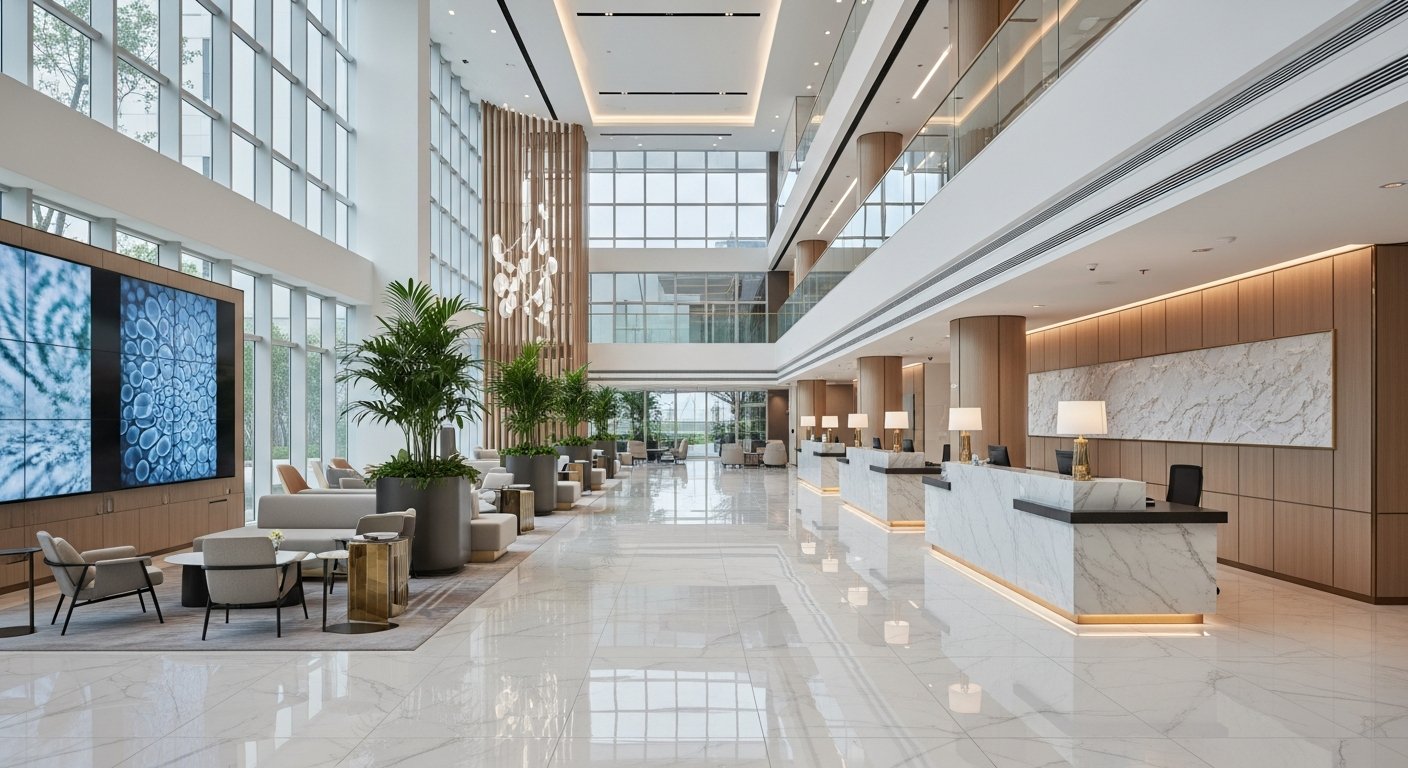
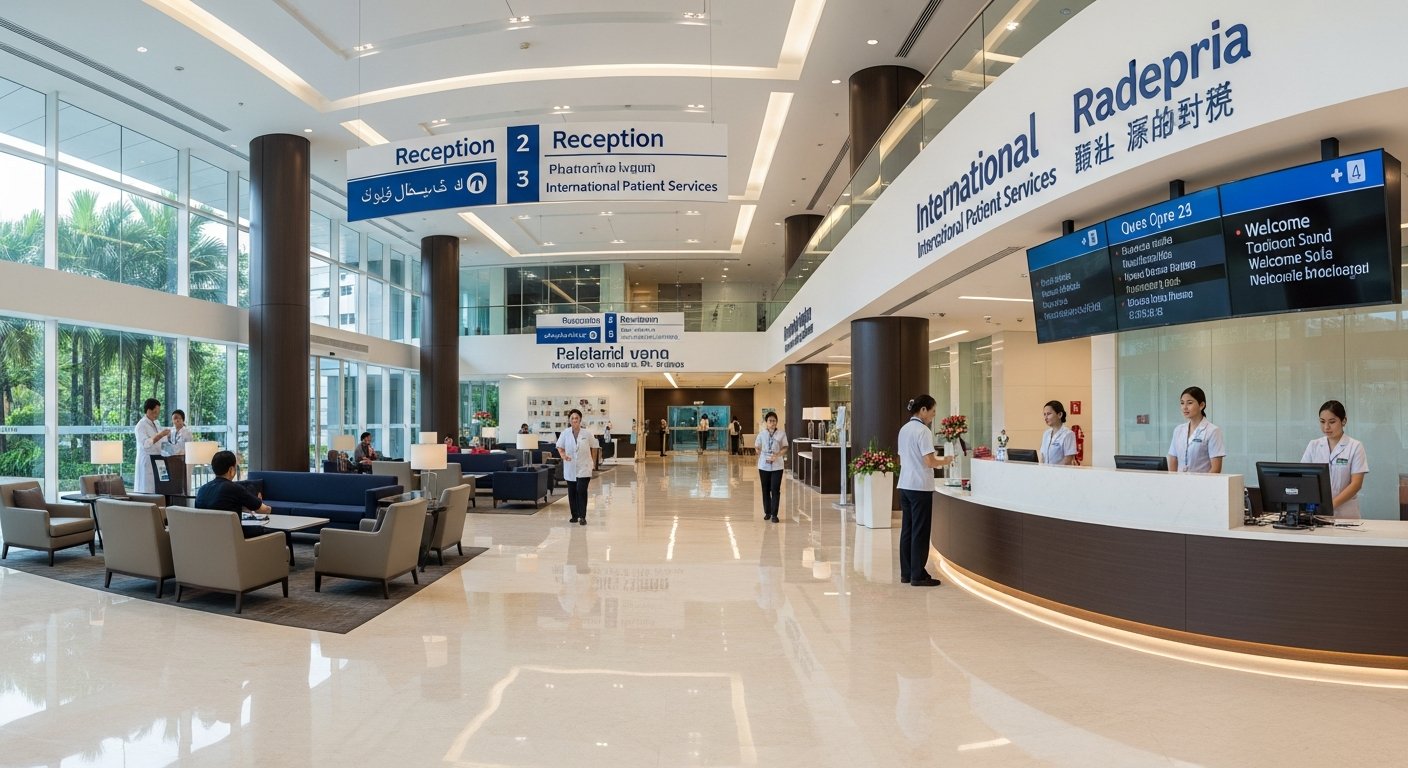
Bumrungrad is the flagship. It treats 1.1 million patients per year, over 520,000 of them international, from 190 countries. The lobby feels like a luxury hotel. Every sign is in four languages. The doctor you see probably did a fellowship at Mayo Clinic. It’s the go-to for complex procedures and comprehensive checkups.
Bangkok Hospital (part of BDMS, Thailand’s largest private hospital group) runs 50+ hospitals across the country. The Bangkok headquarters is the one you want for serious procedures — their neuroscience and heart centers are genuinely world-class. They also have a strong emergency department, which matters if you’re already in Thailand and something goes wrong.
Samitivej is the expat favorite. Less overwhelming than Bumrungrad, more personal, excellent for families. Their dental center and fertility clinic draw patients from across Asia.
How Much Does It Cost? The Real Numbers
This is why people fly here. Procedures that would bankrupt you in the US cost less than a vacation in Thailand — including the flight.
| Procedure | Thailand (THB) | Thailand (USD) | US Cost (USD) | UK Cost (USD) | Savings vs. US |
|---|---|---|---|---|---|
| Dental crown (porcelain) | 12,000–18,000 | $340–510 | $1,200–1,500 | $800–1,200 | 65–75% |
| Dental implant (single) | 45,000–65,000 | $1,300–1,850 | $3,000–5,000 | $2,500–4,000 | 55–70% |
| LASIK (both eyes) | 45,000–90,000 | $1,300–2,550 | $4,000–6,000 | $3,000–5,000 | 55–65% |
| Full health checkup (premium) | 15,000–35,000 | $430–1,000 | $2,000–5,000 | $1,500–3,000 | 75–80% |
| Rhinoplasty | 80,000–200,000 | $2,300–5,700 | $8,000–15,000 | $5,000–10,000 | 60–70% |
| Breast augmentation | 120,000–250,000 | $3,400–7,100 | $8,000–12,000 | $6,000–9,000 | 55–65% |
| Knee replacement | 400,000–600,000 | $11,400–17,100 | $35,000–60,000 | $15,000–25,000 | 65–70% |
| Coronary bypass (CABG) | 400,000–800,000 | $11,400–22,800 | $70,000–200,000 | $25,000–40,000 | 80–85% |
| Gastric sleeve | 250,000–450,000 | $7,100–12,800 | $15,000–25,000 | $10,000–15,000 | 50–55% |
These are 2025–2026 ranges at major JCI-accredited hospitals. Budget hospitals charge less. Boutique cosmetic clinics on Sukhumvit charge more for the premium experience but still undercut Western prices by half.
Important caveat: The cheapest option isn’t always the best option. A dental crown at a Sukhumvit strip mall clinic for 6,000 THB might save you money upfront but cost you more when you’re back home dealing with complications. Stick to accredited hospitals and board-certified doctors. The savings are still enormous.
What Most Medical Tourists Come For
Dental Work
The single most common reason. Thailand’s dental care is arguably the country’s strongest medical tourism segment. The quality of materials (German and Japanese imports), the technology (3D scanning, same-day crowns), and the precision of Thai dentists trained in prosthodontics are all exceptional.
Popular procedures: crowns, veneers, implants, whitening, full-mouth restorations. A full set of porcelain veneers that costs $15,000–25,000 in the US runs $3,000–6,000 here.
Top dental picks: Bumrungrad Dental Center, BIDC (Bangkok International Dental Center), Samitivej Dental.
LASIK and Vision Correction
Thai ophthalmologists perform thousands of LASIK procedures monthly, using the same Zeiss and Alcon equipment as top US eye centers. Bumrungrad’s eye center and TRSC International LASIK Center (Silom) are the market leaders. The whole process — consultation, procedure, follow-up — takes about three days.
Cosmetic Surgery
Bangkok is a global hub for cosmetic and plastic surgery. Rhinoplasty, breast augmentation, facelifts, liposuction, and gender-affirming surgeries draw patients from everywhere. The Yanhee Hospital and Bangpakok 9 International are known for cosmetic work. For gender-affirming surgery specifically, Thailand has some of the world’s most experienced surgeons with decades of specialized practice.
Health Checkups
The “executive health screening” packages at Bumrungrad, Bangkok Hospital, and Samitivej are wildly popular with expats and medical tourists. For 15,000–35,000 THB, you get blood panels, cardiac screening, cancer markers, imaging, and consultations with specialists — a package that would cost $3,000–5,000 in the US and require multiple appointments over several weeks. Here, it’s done in a single day, usually in a private suite with lunch included.
How to Plan a Medical Trip
Step 1: Choose Your Hospital First, Not Your Procedure
Start with the hospital’s international patient department. Every major hospital has one. Email them your medical records, imaging, or a description of what you need. They’ll assign a patient coordinator who handles everything — doctor matching, scheduling, cost estimates, hotel recommendations, airport pickup.
Bumrungrad: bumrungrad.com Bangkok Hospital: bangkokhospital.com Samitivej: samitivejhospitals.com
Step 2: Get a Cost Estimate in Writing
Request an itemized quote. Thai hospitals are transparent about pricing — far more transparent than US hospitals, ironically. The estimate should include: doctor fees, facility fees, anesthesia (if applicable), medications, post-op care, and follow-up visits.
Step 3: Plan Your Timeline
Build in more time than you think you need. A dental crown requires two visits (prep + fitting) spread over 5–7 days. LASIK needs one day plus 2–3 days of follow-up. Cosmetic surgery recovery varies: rhinoplasty needs 7–10 days before flying, breast augmentation needs 10–14 days.
A good rule: procedure time + recovery + 2 buffer days.
Step 4: Book Recovery-Friendly Accommodation
Stay near your hospital. For Bumrungrad, that means Sukhumvit Soi 3–11 — walkable distance. Many hotels in the area are accustomed to medical tourists and offer extended-stay rates and rooms with extra pillows, blackout curtains, and quiet floors. Some hospitals have partnerships with specific hotels and will book for you.
Step 5: Arrange Follow-Up Care at Home
Before you leave, discuss follow-up with your Thai doctor. Get copies of all records, imaging, prescriptions, and a summary letter for your home doctor. Ask what warning signs to watch for during recovery and whether a video follow-up consultation is possible (most Thai hospitals now offer telemedicine).
What About Language? Will My Doctor Speak English?
At the major international hospitals — Bumrungrad, Bangkok Hospital, Samitivej — English is not a problem. Period. Many doctors are American or British-trained and speak English fluently. International patient departments provide interpreters for Japanese, Arabic, Chinese, Myanmar, and other languages.
At mid-tier hospitals and specialized clinics, English proficiency varies. Your doctor will likely speak English well; the nursing staff may speak less. It’s rarely a problem for the medical care itself, but it can make post-op communication slightly more challenging.
For navigating Bangkok around your hospital visits — taxis, restaurants, pharmacies — knowing a handful of Thai phrases makes everything smoother. Our Thai Survival Phrases guide covers the 20 expressions that actually matter.
Insurance and Payment
Will My Insurance Cover Treatment in Thailand?
Maybe. A growing number of international health insurance plans cover treatment at JCI-accredited hospitals abroad. Check with your insurer before committing. If they don’t cover it, the out-of-pocket cost in Thailand may still be less than your deductible and copay at home.
Travel Insurance with Medical Coverage
Get it. Standard travel insurance often excludes pre-planned medical treatment, so look for policies that specifically cover “medical tourism” or “elective treatment abroad.” Companies like Cigna Global, Allianz, and IMG offer plans designed for this.
Payment Methods
Major hospitals accept credit cards (Visa, Mastercard, Amex), wire transfers, and cash. They’ll provide detailed invoices and receipts for insurance claims or tax deductions in your home country. Many hospitals also offer payment plans for major procedures.
For general money tips and getting set up financially in Bangkok, see our Money and SIM Card guide.
What to Expect (Honestly)
The good: Hospitals are clean, modern, well-staffed, and genuinely impressive. Wait times are short — you’ll often see a specialist the same day. Patient care is attentive in a way that Western healthcare rarely is. Thai hospitality culture extends into medicine.
The less good: Discharge can feel rushed if your doctor has a packed schedule. Follow-up care is structured differently — they expect you to come back if there’s an issue, rather than proactively reaching out. And if you’re going to a smaller clinic for cosmetic work, do your due diligence. Not every clinic on Sukhumvit is equal.
The reality check: You’re combining surgery and travel. Jet lag before a procedure is real. Recovering in a hotel room far from home has its own stress. Bangkok heat and humidity can complicate wound healing if you’re not careful. These are manageable issues, but they’re worth planning for.
Getting Around During Your Medical Trip
Bangkok’s hospital districts are well-connected by public transit. Bumrungrad is near BTS Nana and MRT Sukhumvit. Bangkok Hospital is accessible via MRT Phetchaburi. Samitivej Sukhumvit is a short taxi ride from BTS Thong Lo.
For days when you’re post-procedure and not up for trains, Grab is your best friend — air-conditioned, door-to-door, no negotiation required. Our Bangkok Transportation guide covers every option in detail.
FAQ
Is it safe to have surgery in Thailand? At JCI-accredited hospitals, yes. These facilities meet the same safety and quality standards as top US and European hospitals. Thailand’s private hospital sector has invested heavily in accreditation, equipment, and physician training specifically to serve international patients. The key is choosing the right facility — a JCI-accredited hospital, not a back-alley clinic.
Do I need a special visa for medical treatment? For most nationalities, a standard tourist visa or visa-exempt entry (30–90 days depending on nationality) is sufficient. Thailand also offers a Medical Treatment Visa (Non-Immigrant “O”) for longer stays related to medical care. Your hospital’s international patient department can provide supporting documents for visa applications.
Can I combine medical treatment with a vacation? Absolutely — most people do. Schedule your procedure for the first part of your trip, recover in Bangkok or at a beach resort, and enjoy the rest of your stay once you’re cleared. Just don’t push recovery timelines. Your doctor will tell you when you can fly, swim, drink alcohol, and do activities. Follow that guidance.
How do I verify a Thai doctor’s credentials? Ask the hospital for your doctor’s CV, board certifications, and training history. JCI-accredited hospitals only credential doctors who meet international standards. You can also check the Thai Medical Council registry. At Bumrungrad and Bangkok Hospital, doctor profiles with education and specialization details are listed on their websites.
What if something goes wrong after I return home? Get a detailed discharge summary and your doctor’s direct contact information before leaving. Most major Thai hospitals offer post-discharge telemedicine consultations. If complications arise at home, your local doctor can consult with your Thai surgeon using the records provided. For serious complications, some patients do fly back — at Thai hospital prices, even a return trip can be more economical than treatment at home.
Thailand’s medical tourism industry didn’t happen by accident. It’s the result of decades of investment, training, and a genuine cultural orientation toward hospitality that extends into healthcare. The prices get people on the plane, but the quality is what keeps them coming back — often choosing Bangkok over their own city for everything from annual checkups to major surgery.