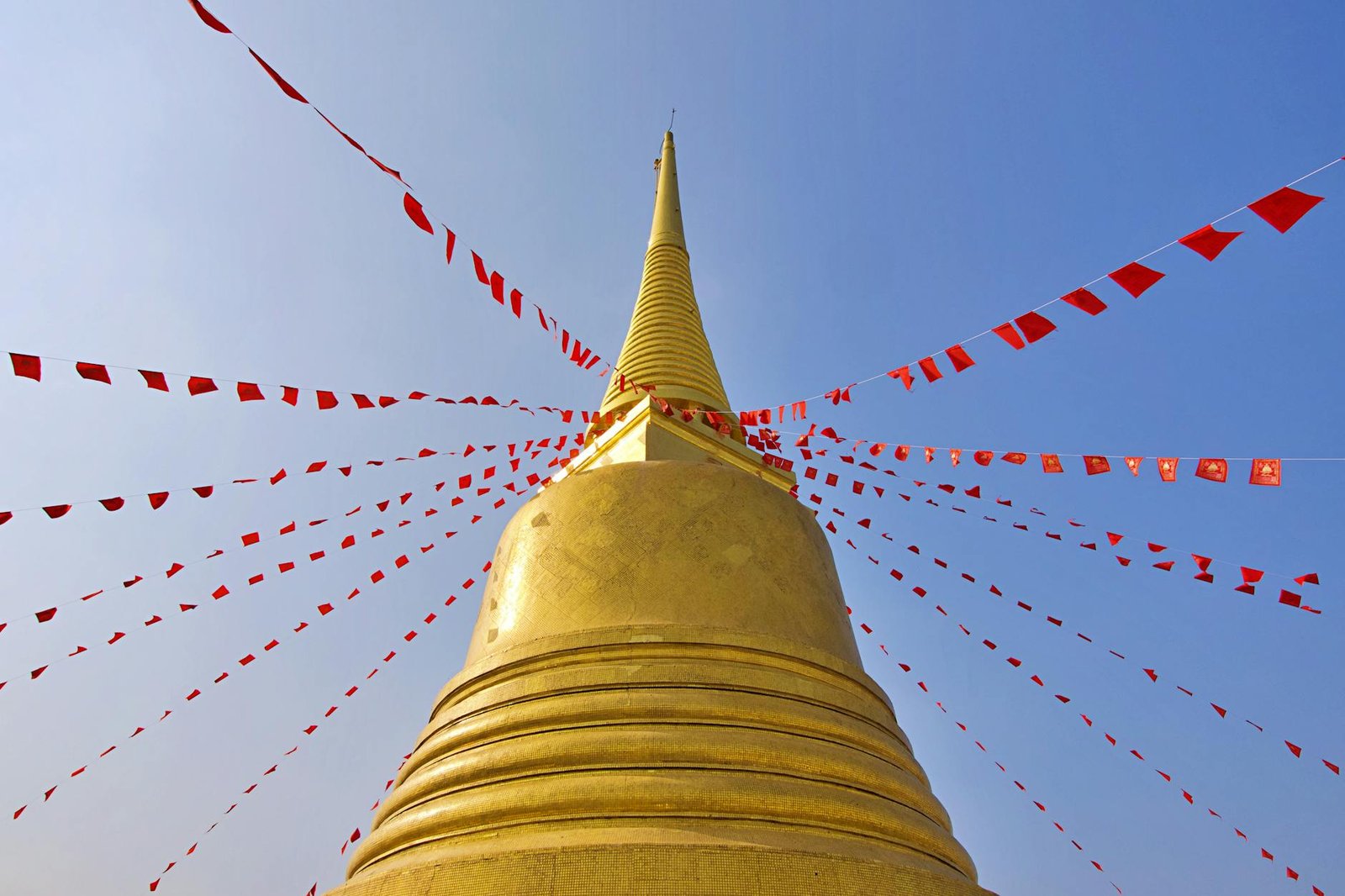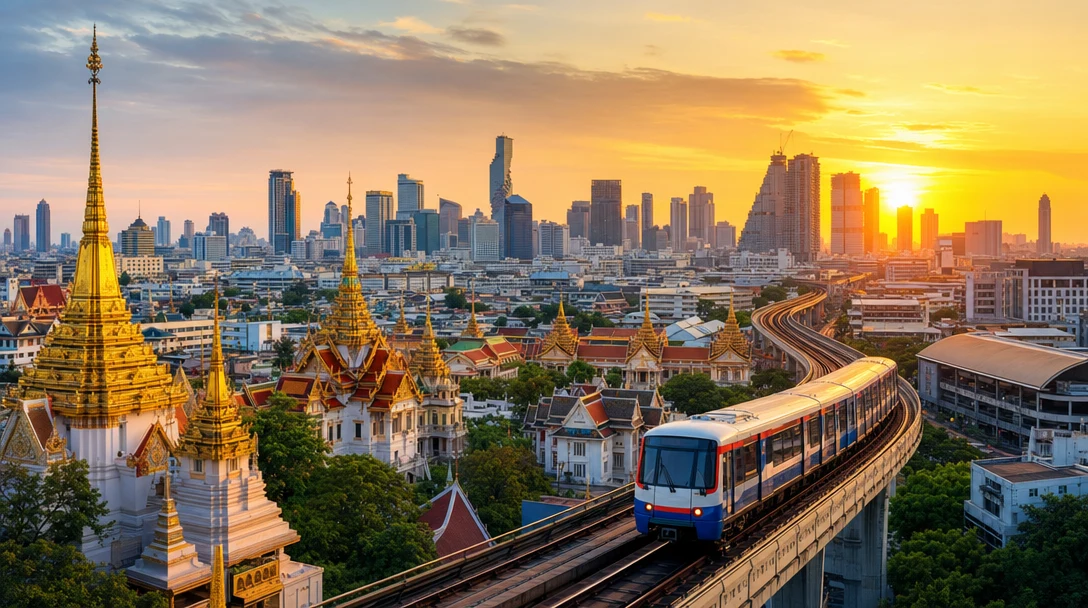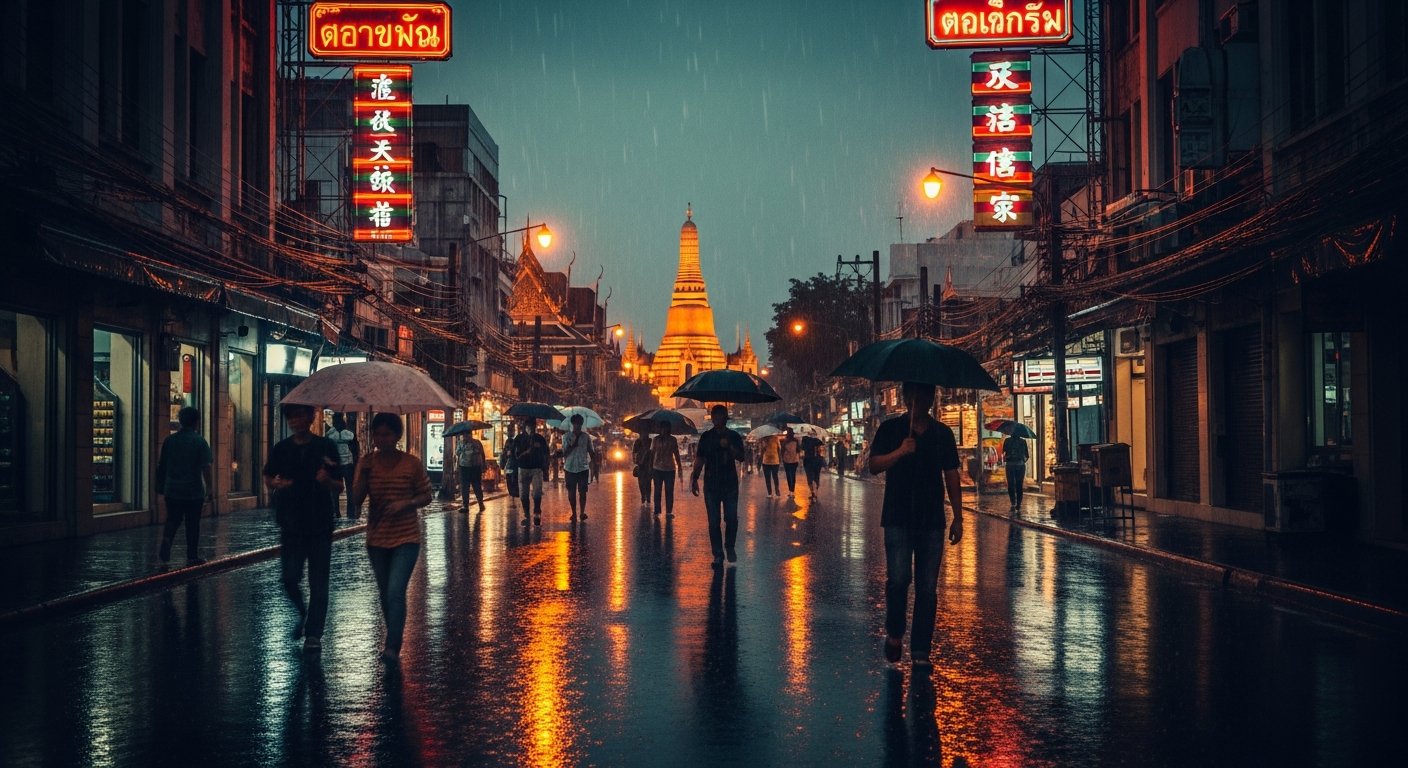
“Don’t go to Thailand in rainy season.” It’s the single most repeated piece of travel advice about the country, and it’s the one that costs people the most money. Every year, millions of travelers pay peak-season prices for December visits when they could have come in July — stayed at the same hotels for half the price, visited the same temples with a third of the crowd, and experienced a version of Thailand that’s greener, quieter, and arguably more beautiful than the postcard version.
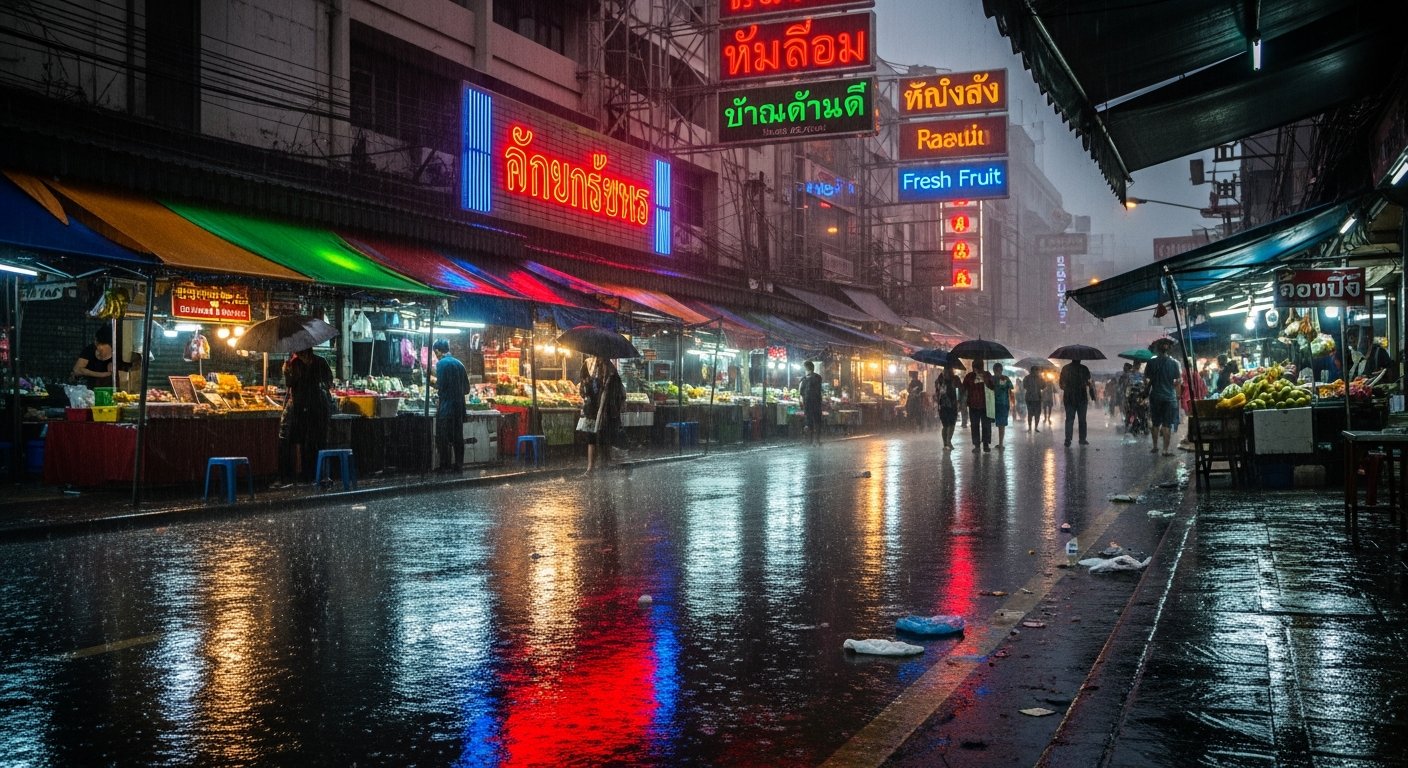
The rainy season runs roughly May through October. But calling it “rainy season” is like calling New York “cold” — technically true but useless without context. Rain in Thailand doesn’t mean what most people imagine. It’s not London drizzle lasting weeks. It’s a violent, spectacular downpour at 3 PM that hammers the pavement for 45 minutes, then the sun comes back out and the streets steam dry within the hour. Most of your day is clear.
I’ve spent parts of three rainy seasons in Thailand. Here’s what actually happens, month by month, region by region.
Month-by-Month Breakdown: May Through October
Not all rainy-season months are equal. The difference between May and September is the difference between “occasionally cloudy” and “bring a waterproof bag for your phone.”
| Month | Rain Level | Temperature | What It Actually Looks Like |
|---|---|---|---|
| May | Light-Moderate | Hot (33-36C) | Transition month. Heat lingers, storms are infrequent. Many days entirely dry. High season with a discount code. |
| June | Moderate | Warm (30-33C) | Afternoon storms become routine and predictable. Mornings reliably clear until noon. |
| July | Heavy | Warm (29-32C) | Full monsoon energy. 1-2 hours of hard rain most afternoons. Landscape turns impossibly green. |
| August | Heavy | Warm (29-32C) | Wettest month in most regions. Lush national parks, peak fruit season (mangosteen, rambutan). |
| September | Heaviest | Warm (29-32C) | Maximum rainfall, some Bangkok flooding risk. Fewest tourists. Deepest hotel discounts. |
| October | Moderate-Heavy | Warm (29-32C) | Rain tapers mid-month. Transition back to dry season. Still excellent prices. |
The daily pattern is consistent: mornings clear and sunny until noon or 1 PM, then clouds build, a heavy storm drops for 30 minutes to 2 hours, and by evening it’s clear again. Structure your days accordingly: outdoor activities before noon, indoor ones during the storm window. The rain barely touches your trip.
The Regional Split That Changes Everything
Here’s what most guides skip: Thailand’s rainy season doesn’t hit the whole country equally. Two coastlines operate on nearly opposite weather schedules, and the north has its own rhythm. Understanding this turns rainy season from a liability into a strategic advantage.
Andaman Coast (West): Phuket, Krabi, Phi Phi, Koh Lanta
The southwest monsoon hits the Andaman coast directly May through October. This is where “rainy season” warnings are genuinely warranted. Seas get rough. Ferries become unreliable. Some islands close entirely — Krabi island hopping tours cancel longtail boats in heavy weather, and Hong Islands National Park shuts down May through October.
Should you skip it? Not necessarily — but adjust expectations. Phuket town, inland Krabi, and the Phuket beach guide spots on the east coast (sheltered from swell) still work. Hotels drop 40-60%. But if beaches and boat tours are your primary goal, go Gulf side instead.
Gulf Coast (East): Koh Samui, Koh Phangan, Koh Tao
The rainy-season loophole. Gulf islands get their worst weather October through December — when the rest of Thailand enters peak season. May through September on the Gulf coast is warm, mostly sunny, calm seas. Boat tours operate normally.
Planning a Koh Samui first visit in June or July? You’ll likely have better beach weather than someone going in November, when the Gulf monsoon brings sustained rain and rough seas. Peak-condition beaches at off-season prices.
| Andaman Coast (West) | Gulf Coast (East) | |
|---|---|---|
| Peak rain | May-Oct (southwest monsoon) | Oct-Dec (northeast monsoon) |
| Best months | Nov-Apr | Jan-Sep |
| May-Oct conditions | Rough seas, heavy rain, closures | Mostly fine, occasional showers |
| Destinations | Phuket, Krabi, Phi Phi, Koh Lanta | Koh Samui, Koh Phangan, Koh Tao |
| Off-season savings | 40-60% | 20-40% (Oct-Dec) |
Hua Hin: The Rain Shadow Loophole
One often-missed footnote: not every Gulf-side town gets the same weather. Hua Hin sits in a partial rain shadow created by the Tenasserim mountains to the west, which means it routinely sees significantly less rainfall than Bangkok or Pattaya in the same week. Locals call it “the place where the rain forgets to come.” If your travel dates land squarely in monsoon and you want a beach that mostly works, our Hua Hin first visit guide covers the rain-shadow math, the best months to book it, and how the royal family’s century-long love affair with this town shaped everything from the train station to the night market.
Bangkok: Rain Is a Feature, Not a Bug
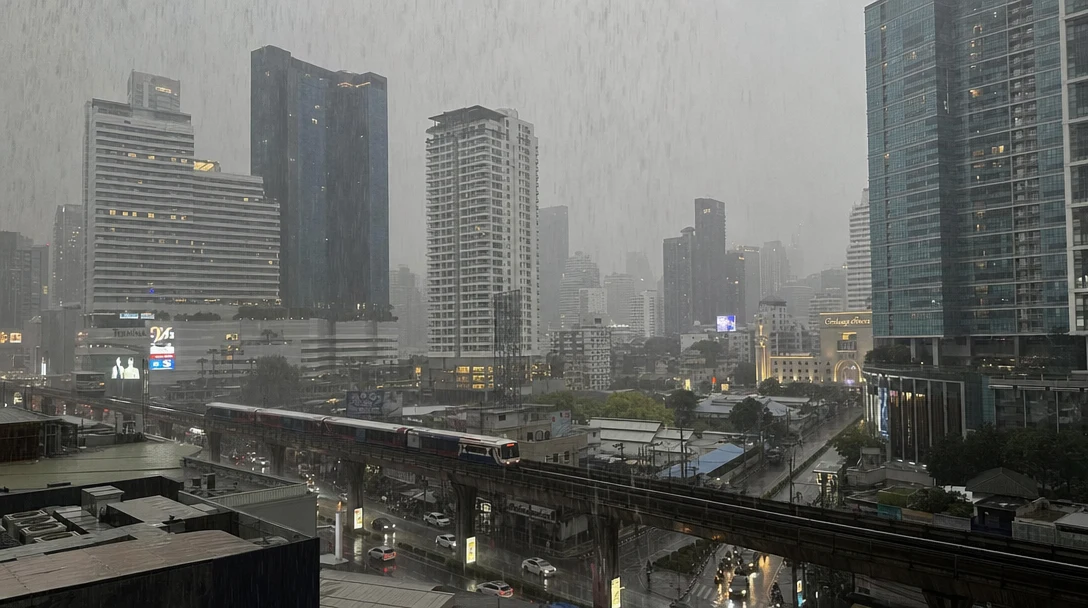
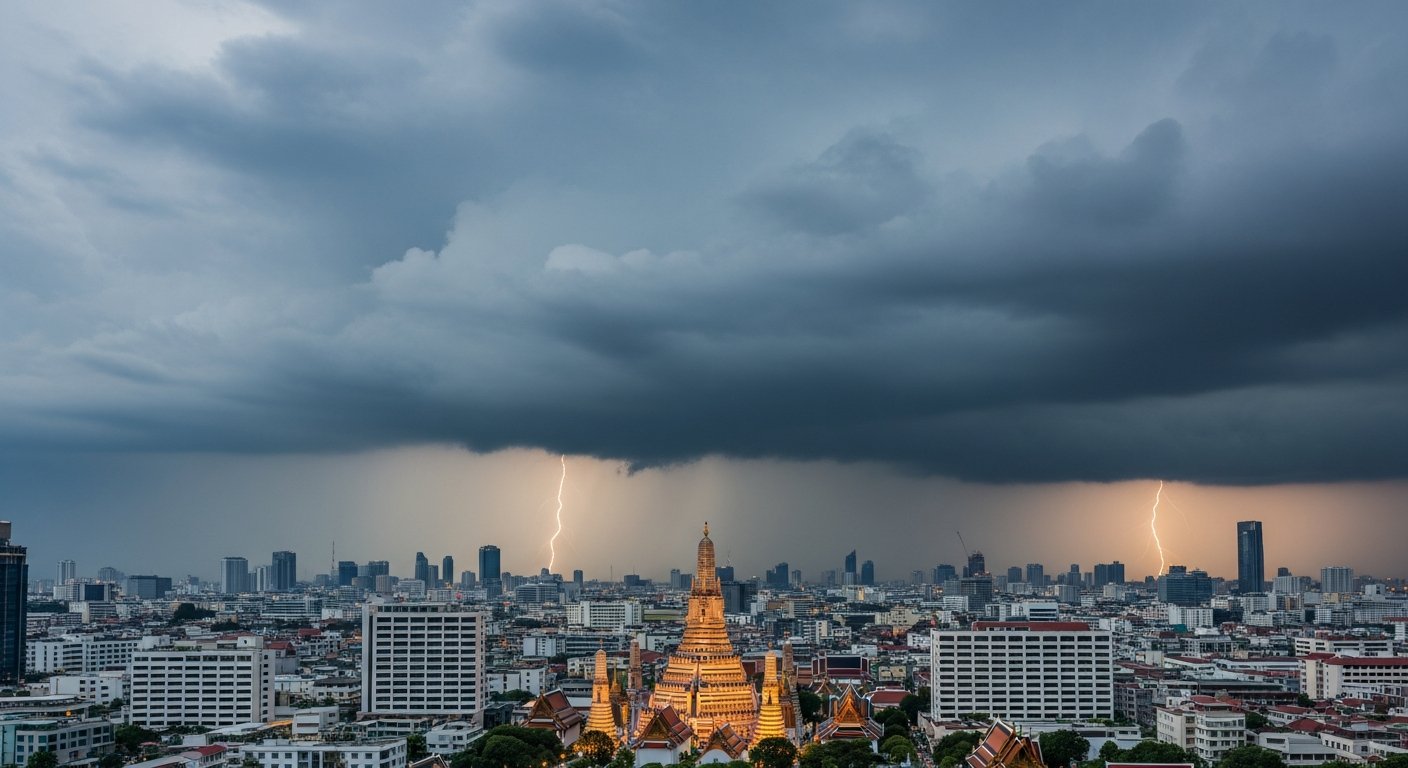
Bangkok’s rainy season is manageable. Heaviest rain falls August-September, but the BTS, MRT, and world-class shopping malls mean you’re never stuck. Typical day: temples in the morning, duck indoors when the storm hits, emerge for street food once it passes.
The upside: the temple circuit, Grand Palace, and floating markets are noticeably less crowded. Lines that take 45 minutes in December take 10 in July.
NOTE
Bangkok sits barely above sea level. After heavy September storms, certain streets flood — Sukhumvit near Asok and parts of Silom are repeat offenders. The BTS and MRT keep running. Stick to elevated transit during downpours.
Chiang Mai and the North: The Season You Actually Want
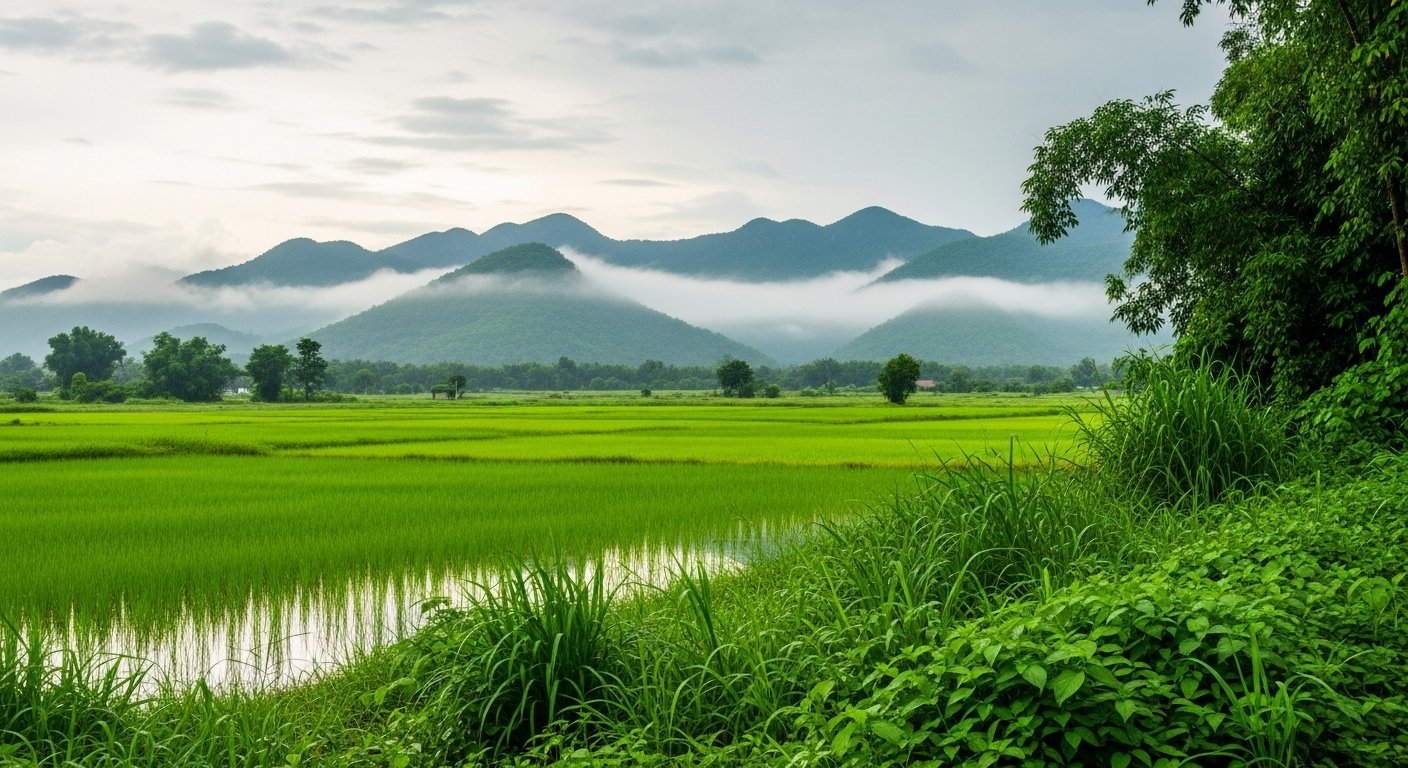
Rainy season in Chiang Mai is a relief. The notorious burning season (February-April) fills the air with smoke thick enough to trigger health warnings. When rains arrive in May, they wash the sky clean.
June through October in Chiang Mai’s Old City means green mountains, waterfalls at full power, clean air, and a fraction of the tourist crowds. The Doi Inthanon and Doi Suthep areas become lush, almost jungle-like. The trade-off: trekking trails get muddy. But the core experience (temples, night markets, cooking classes) works perfectly year-round.
The Money Argument
The price differences are not subtle — they change the nature of your trip entirely.
| Category | High Season (Nov-Feb) | Rainy Season (May-Oct) | Savings |
|---|---|---|---|
| Hotels (mid-range Bangkok) | THB 2,000-4,000/night | THB 1,000-2,000/night | 40-50% |
| Phuket beach resort | THB 5,000-12,000/night | THB 2,000-5,000/night | 50-60% |
| International flights | $600-1,200 | $350-700 | 30-40% |
| Island tours | THB 1,500-2,500 | THB 800-1,500 | 30-40% |
| Attractions | Same price | Same price, 1/3 the wait | Time saved |
A two-week trip in July costs $1,500-2,000 less than the same itinerary in January. The budget that gets you a fan room on Khao San Road in December gets you a pool villa in Chiang Mai in August.
TIP
September offers the deepest discounts — 50-60% off peak rates is standard on booking platforms. Use the savings to upgrade your accommodation tier entirely.
Activities That Are Better in Rainy Season
Not everything is a compromise. Some Thailand experiences are genuinely superior during the wet months.
Waterfalls at peak flow. Most Thai waterfalls are disappointing trickles in dry season. Come in July-August and they transform. Erawan Falls thunders through seven tiers with emerald pools deep enough to swim in. Haew Suwat in Khao Yai is at its most spectacular. If waterfalls matter to you, rainy season is the only time to go.

National parks in full green. Forests are impossibly lush, wildlife more visible, and the parks are empty. Khao Yai, which feels like a theme park in December, has trails to yourself in August.
Temple visits without crowds. Temples become contemplative spaces again. The monk chat at Wat Chedi Luang in Chiang Mai is a different experience when you’re one of three visitors instead of thirty.
Songkran afterglow in May. The tail end of Songkran energy bleeds into early May. The transition from hot season to rainy season carries its own festive energy — the first rains are genuinely celebrated.
Fruit season. Mangosteen, rambutan, lychee, and durian peak from May through August. Roadside vendors sell mangosteen for THB 20-40 per kilo — fruit that costs five times that in Western supermarkets, and tastes nothing like the imported version.
Activities to Avoid or Reschedule
Be honest about what doesn’t work.
Island hopping on the Andaman side (June-September). Rough seas make boat tours unreliable or dangerous. Don’t book non-refundable island tours from Phuket or Krabi during peak monsoon. If islands are non-negotiable, go to the Gulf coast.
Outdoor temple walks mid-afternoon. The Grand Palace has minimal shade. Getting caught in a monsoon downpour in an exposed courtyard is genuinely miserable. Schedule temple visits before noon, without exception.
Beach-only itineraries. If your plan is seven days on an Andaman beach and nothing else, rainy season will disappoint. A Thailand 7-day itinerary that mixes cities, temples, food, and beaches handles weather disruptions far better than a single-note plan. Build in variety and the rain becomes a non-issue.
What to Pack for Rainy Season
The packing list changes, but it’s simpler than you’d think.
Essentials:
- Waterproof phone pouch (THB 100-200 at any 7-Eleven) — non-negotiable. A sudden downpour drenches you in seconds.
- Compact umbrella over poncho. Ponchos trap heat and make you sweat worse than the rain. A small umbrella handles 90% of situations.
- Quick-dry clothes. Cotton is the enemy. Synthetic or linen that dries in an hour beats wet cotton clinging to you all afternoon.
- Dry bag for electronics. THB 200 saves a THB 30,000 camera.
- Sandals with grip. Wet marble temple floors are ice rinks. Sport sandals, not flip-flops.
Skip: Heavy rain jackets (too hot), waterproof boots (overkill unless trekking), excessive layers. Thailand stays warm even in the heaviest monsoon.
IMPORTANT
Buy a waterproof phone pouch on day one. Every 7-Eleven has them for under THB 200. Cheapest insurance you’ll ever purchase.

Practical Planning Tips
Structure your days around the rain. Mornings (7 AM-noon): outdoor sightseeing, temples, beaches, markets. Afternoon (1-5 PM): shopping malls, museums, cooking classes, massage. Evening (6 PM onward): street food, night markets, nightlife. Work with the pattern, not against it.
Book refundable everything. Weather forces itinerary changes, especially around islands. Use free cancellation options on Agoda/Booking.com and ask about tour refund policies before paying.
Get travel insurance. Flight delays and tour cancellations increase during monsoon months. Our Thailand travel insurance guide breaks down what’s worth buying.
Use hourly weather apps, not daily forecasts. A 7-day forecast showing rain icons every day is meaningless — it rains every day. What matters is the hourly view on the day itself. Windy.com tells you exactly when the storm window is.
Stay flexible on island plans. Clear day on the Gulf coast? Grab that boat tour even if it wasn’t scheduled. Stormy day? Don’t force it. Flexibility is the defining skill of rainy-season travel.

Frequently Asked Questions
When is Thailand’s rainy season?
Thailand’s rainy season runs roughly May through October across most of the country, peaking in August and September. The Gulf coast (Koh Samui, Koh Phangan, Koh Tao) flips this pattern: its wet months are October through December. May feels closest to dry season with occasional storms, while September delivers the heaviest rainfall and the deepest discounts.
Is it worth visiting Thailand in the rainy season?
Yes, for most travelers. Rain is a predictable 1–2 hour afternoon storm, not all-day weather, and mornings stay reliably clear. You save 40–50% on hotels, skip the December crowds at temples, and see waterfalls at peak flow. Skip rainy season only if your trip is a beach-only Andaman itinerary (Phuket or Krabi islands) where boat tours genuinely cancel.
Which Thailand destination has the least rain in monsoon?
The Gulf coast islands (Koh Samui, Koh Phangan, Koh Tao) are the loophole: their dry season is May through September. Hua Hin sits in a partial rain shadow created by the Tenasserim mountains and sees noticeably less rain than Bangkok. Chiang Mai gets rain but in shorter bursts, and June through October is cleaner air than the February to April burning season.
Do beaches close during the rainy season?
Some do, mostly on the Andaman side. Hong Islands National Park near Krabi closes May through October. Phi Phi day-tour longtail boats cancel in rough swells. Phuket and Krabi mainland beaches stay open. Gulf coast beaches (Samui, Phangan, Tao) operate normally May through September. Check the boat operator’s cancellation policy before booking islands in monsoon months.
How much cheaper is Thailand in the rainy season?
Hotels drop 40–50% across mid-range Bangkok, and Phuket beach resorts drop 50–60%, going from 5,000–12,000 THB per night to 2,000–5,000 THB. International flights run 30–40% cheaper at $350–700 instead of $600–1,200. A two-week trip in July costs roughly $1,500–2,000 less than the same itinerary in January, often enough to upgrade your hotel tier entirely.
What should I pack for Thailand in the rainy season?
A waterproof phone pouch (THB 100–200 at any 7-Eleven) is non-negotiable. Bring a compact umbrella rather than a poncho since ponchos trap tropical heat. Pack quick-dry synthetic or linen clothes, a small dry bag for electronics, and sandals with grip for wet marble temple floors. Skip heavy rain jackets and waterproof boots, Thailand stays warm even in the heaviest storms.
The Bottom Line
Thailand’s rainy season is a trade-off, and the math works in your favor: 1-2 hours of predictable afternoon rain in exchange for 40-50% lower prices, fewer crowds, green landscapes, and peak-flow waterfalls.
The smart play: Gulf islands (Koh Samui, Koh Phangan) June through August for near-perfect beach weather at off-season prices. Bangkok and Chiang Mai year-round with outdoor plans loaded into the morning. Andaman coast (Phuket, Krabi) only if you’re flexible and don’t depend on boat tours.
September is the deepest value month in the Thai calendar. Most rain, yes — but also the cheapest flights, emptiest temples, and hotels that cost triple in December. Pack light, book refundable, and let the afternoon storms be part of the experience. The rain is warm, the beer is cold, and the covered terrace with the best view is probably empty.