I’ve been based in Bangkok since 2023. I’ve seen the city expand, contract, absorb global trends, and remain stubbornly, brilliantly itself through all of it. So when people ask me right now, in 2026 with everything going on in Southeast Asia, whether Bangkok is still the right place to be, I don’t hesitate.
Yes. Still Bangkok.
Here’s the honest case for it.
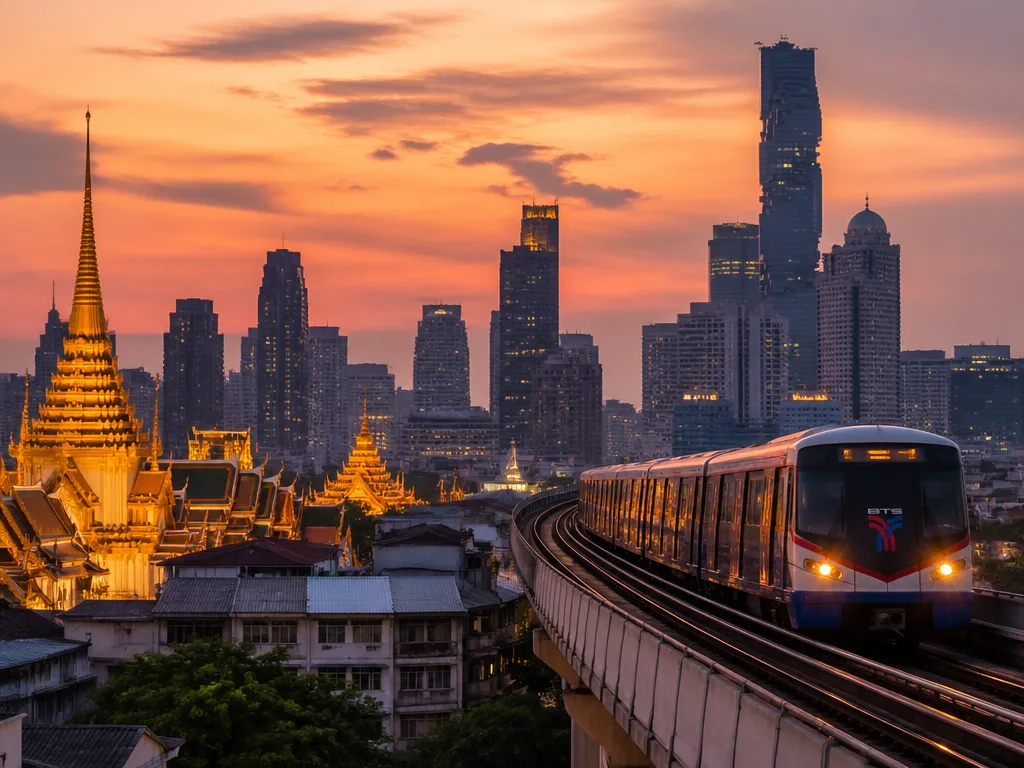
The Regional Picture in 2026: Why Location Selection Matters More Than Ever
This is the part most travel guides skip, but it’s the part that actually matters for anyone making serious decisions about where to spend time in Southeast Asia.
Myanmar is effectively off the table for tourism. The military coup of 2021 triggered a civil war that has no clear resolution in sight. As of 2026, the conflict has claimed tens of thousands of lives and displaced millions of people. Multiple foreign governments maintain “do not travel” advisories. This is not a borderline situation. Myanmar is simply not a destination right now for any reasonable traveler.
The broader region carries its own instabilities. Supply chains, political tensions, and the lingering economic unevenness left by post-pandemic recovery have made parts of Southeast Asia feel genuinely uncertain. The calculus of “which country should I pick?” matters more than it did five years ago.
Thailand sits in a different category. After the political turbulence of previous years, a new government formed in 2023 and has since maintained stable enough conditions for tourism to not just recover but expand. Tourist arrivals in 2024 and 2025 pushed toward pre-pandemic highs, and the infrastructure investment followed.
None of this means Thailand is perfect. It means it is, right now, the most practical, safe, and well-functioning destination in the region for foreign visitors.
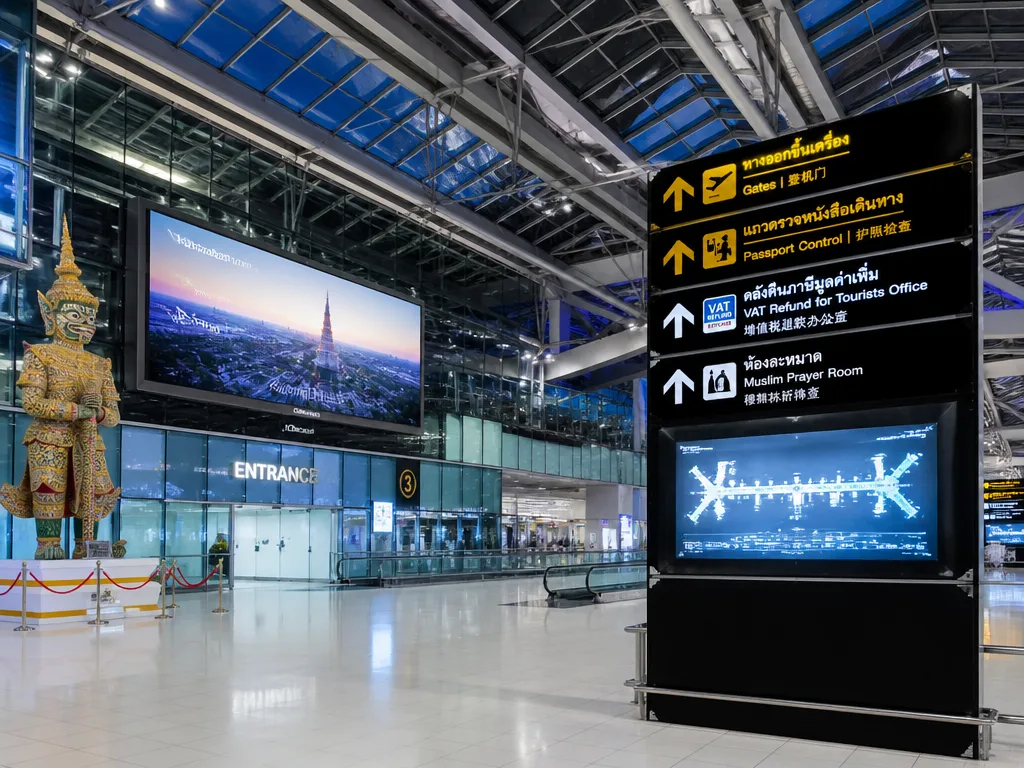
5 Reasons Bangkok Is Still the Smartest Base in Asia
1. Infrastructure That Actually Works
Bangkok has two international airports (Suvarnabhumi and Don Mueang) serving direct flights from virtually every major city in Asia, Europe, and increasingly the Americas. Layovers here are seamless rather than stressful.
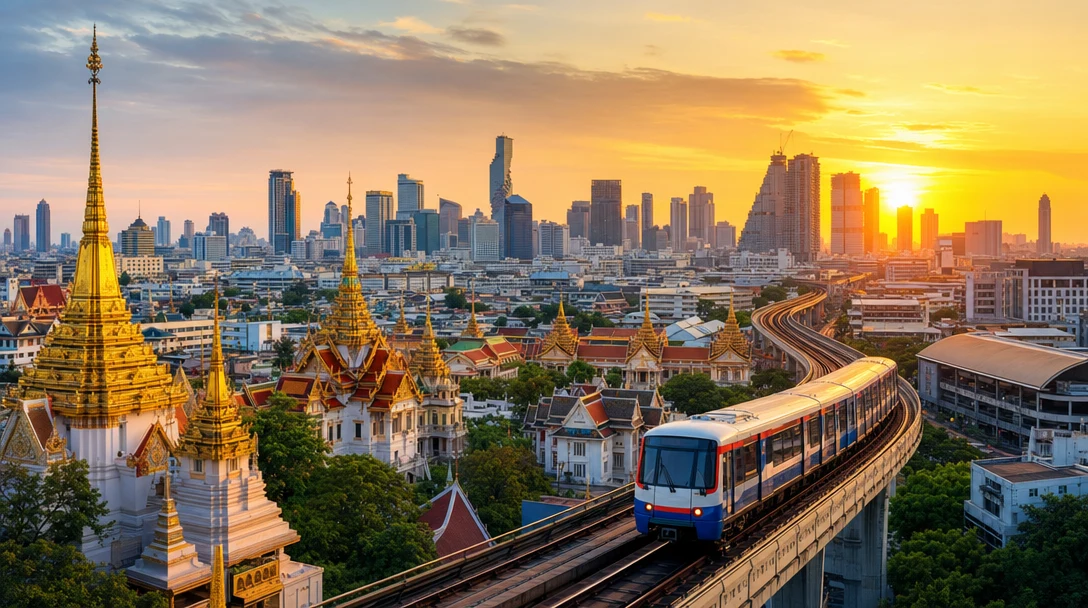
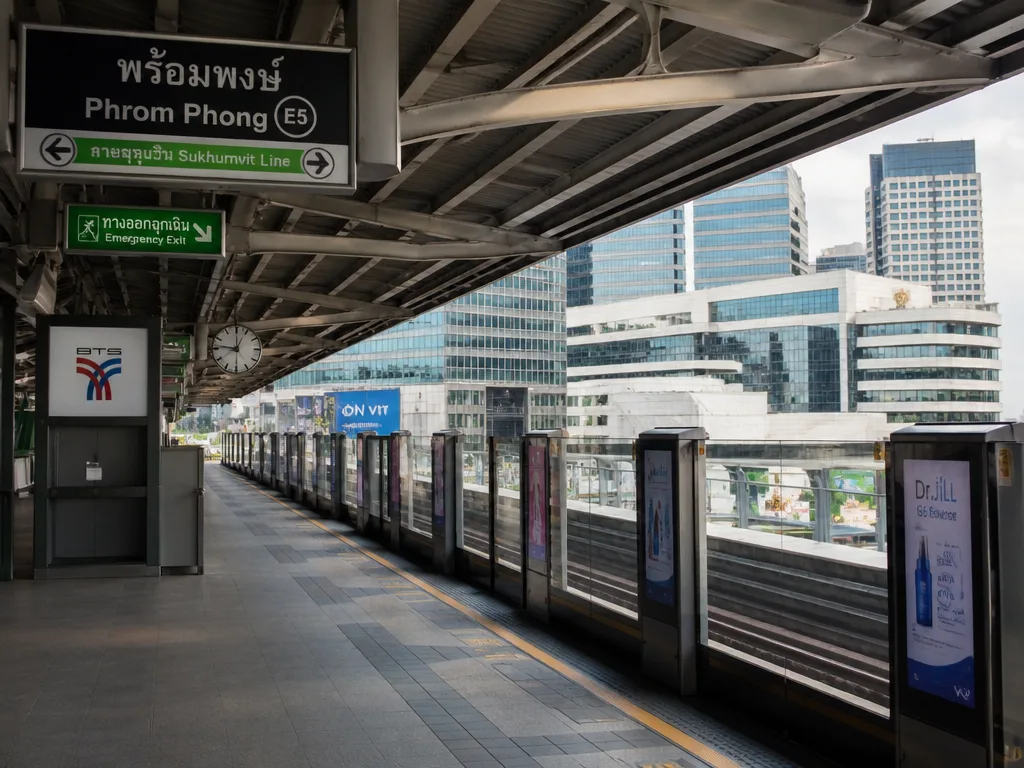
Within the city, the BTS Skytrain and MRT subway network have expanded significantly over the past few years. New lines connect areas that used to require 45-minute taxi rides. The transit maps look different than they did even in 2023, and in a good way.
For ground transport, both Grab and Bolt operate reliably throughout the city: metered, app-tracked, and free of the meter-scam nightmare that still plagues some neighboring cities.
If you want to understand Bangkok’s transport network in depth, the Bangkok Transportation Guide covers every option from airport rail links to river boats.
2. Cost Efficiency at Every Budget Level
This is where Bangkok remains genuinely exceptional. A decent hotel in central Bangkok (think Sukhumvit or Silom, walking distance to BTS) runs 1,200 to 2,500 THB per night (roughly $35–$70 USD). A meal at a mid-level restaurant: 250–500 THB. Street food lunch: 80–120 THB. Cold beer at a neighborhood bar: 80–150 THB.
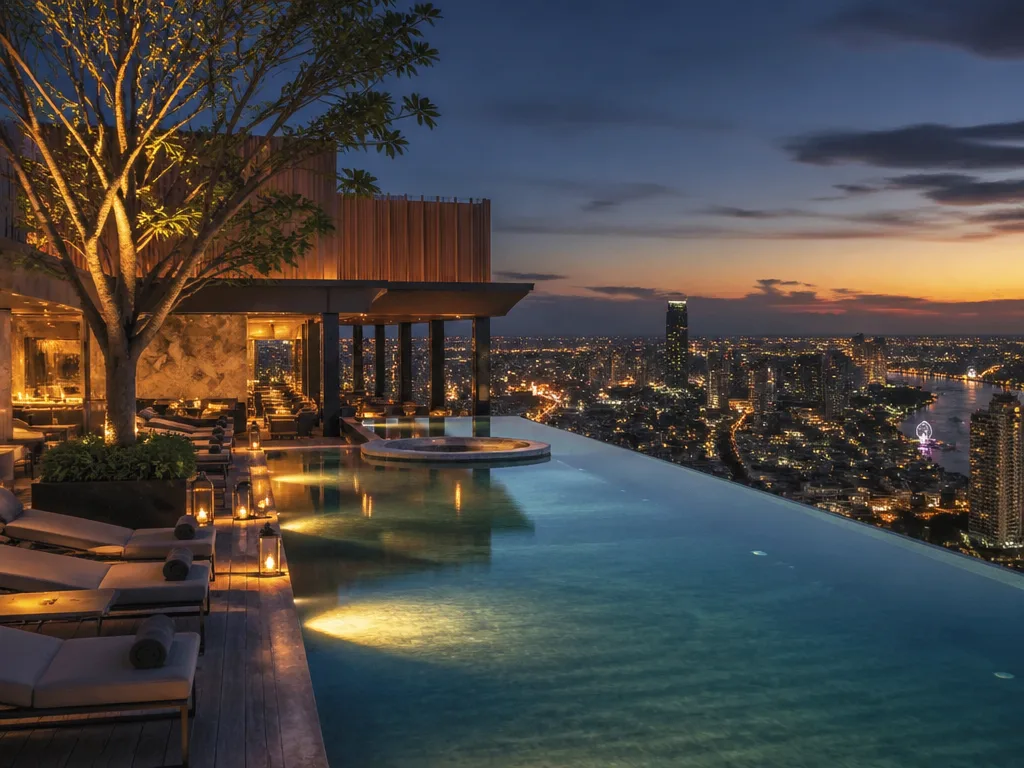
For luxury travelers, Bangkok is extraordinary value. Properties that would cost $400–600 per night in Tokyo, Singapore, or Hong Kong go for $150–250 here. The Capella, the Peninsula, the Rosewood: all of them are here, at 20–30% lower price points than comparable Asian luxury capitals.
If you’re planning an extended stay or considering Bangkok as a long-stay destination, the math becomes even more compelling.
3. Food at Every Level of Ambition
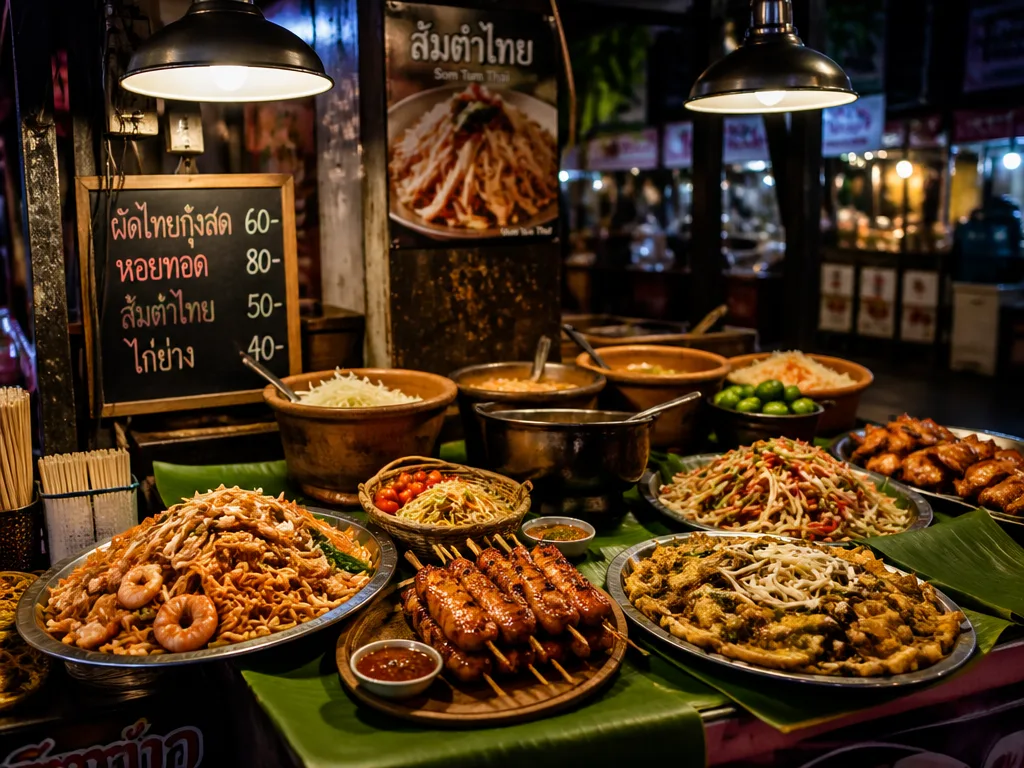
This is a bold claim, but I’ll make it: Bangkok might be the best food city in the world for the money. That’s not just street food hype (though the street food is extraordinary). The city now has more Michelin-starred restaurants than most European capitals, and has held a Michelin Guide since 2018.
Street food at Or Tor Kor Market: high-quality, tourist-proof, priced for locals. Night markets like Ratchada Rot Fai where a meal for two with drinks runs under 300 THB. But also Gaggan Anand, Le Du, Sorn (all three holding Michelin stars for multiple years), where a multi-course tasting menu runs 4,000–8,000 THB. For that caliber, it’s startling value by global standards.
The breadth of international cuisine is underrated too. Japanese, Korean, Italian, French, Middle Eastern: Bangkok’s expat community and tourism infrastructure have produced a restaurant scene that genuinely covers everything.
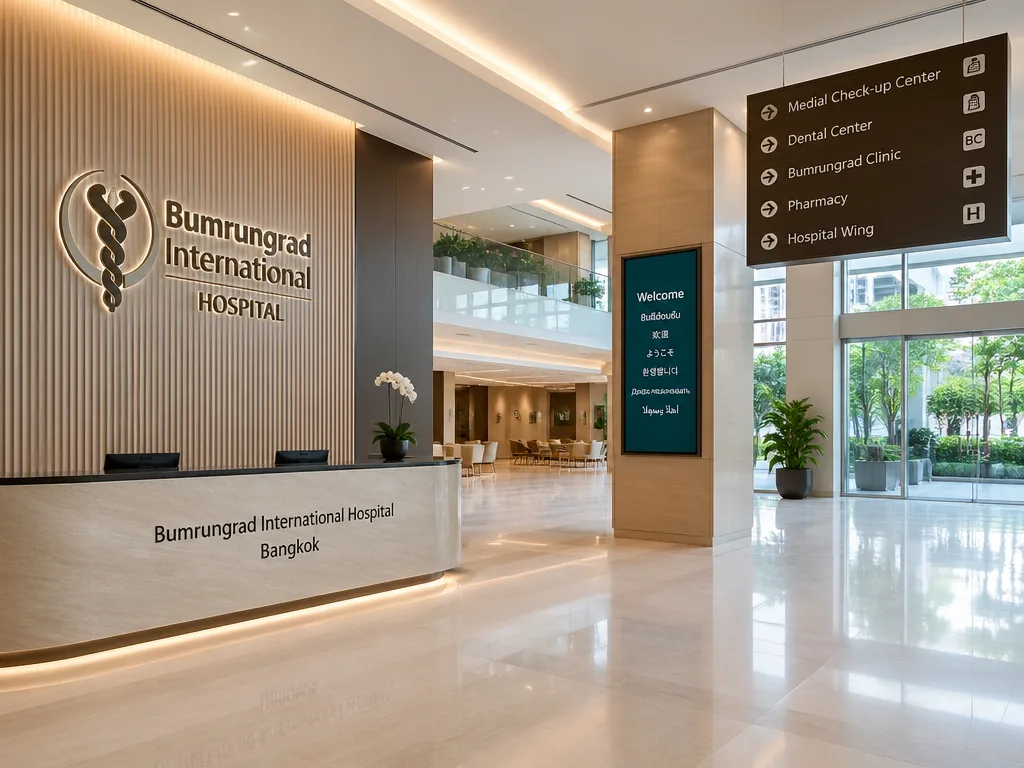
4. Medical Infrastructure That Should Reassure Any Traveler
One of the practical factors that rarely shows up in tourism marketing but matters enormously when you’re actually living somewhere: healthcare.
Bangkok has world-class hospitals with full English-speaking staff. Bumrungrad International Hospital in Nana and BNH Hospital in Silom are both JCI-accredited, the international gold standard for hospital quality. I’ve used Bumrungrad myself after a minor accident. English fluency, walk-in capability, wait times that put most Western systems to shame, and pricing that is often lower than insured costs in the US, even without coverage.
This is relevant not just for emergencies. If you’re on a longer stay, routine care, dental work, and specialist consultations are all accessible without the insurance-and-referral maze that makes healthcare frustrating in many countries. For a comprehensive guide, see Thailand Medical Tourism.
Make sure you have travel insurance regardless — but it’s reassuring to know that if you do need care, Bangkok’s infrastructure is genuinely excellent.
5. Nightlife and Entertainment: Legal, Varied, Consistent
Bangkok’s entertainment scene is famously diverse. Rooftop bars with skyline views that hold up against any city in the world. Jazz clubs and speakeasies tucked into Thonglor’s residential streets. Night markets that run until 2am. Legitimate nightclubs on RCA and in Ekkamai.
And yes, Bangkok also has adult entertainment districts — Soi Cowboy, Nana Plaza, Patpong — that operate legally and openly. These areas are part of the city’s honest character. If that’s not part of your agenda, they’re easy to bypass. If it is, Bangkok handles it with a transparency and organization that more reputable destinations don’t offer. Read Bangkok Nightlife 101 for a full orientation.
Safety: Real Data vs. Perceived Risk
Bangkok has an undeserved reputation in some circles as a chaotic or dangerous city. The actual statistics tell a different story.
Numbeo’s 2025 crime index rates Bangkok at roughly 44 (moderate), which places it safer than major US cities like Miami, Chicago, and Los Angeles, and comparable to London and Paris. Violent crime against tourists is genuinely rare. The issues that do exist (pickpocketing, tuk-tuk scams, gem scams) are well-documented and largely avoidable with basic awareness. The Thailand Scams Guide covers all of them.
For women traveling alone: Bangkok is generally considered safe among solo female travelers, with the usual urban precautions applying (avoid poorly lit sois late at night, use ride-hailing apps rather than random taxis). Thailand consistently ranks among the more female-friendly destinations in Southeast Asia in traveler surveys.
Political unrest: The situation since 2023 has been calm. The government has actively pursued tourism as an economic priority, which creates an institutional interest in maintaining a stable, welcoming environment for foreign visitors.
Bangkok vs. the Alternatives: An Honest Comparison
Tokyo is magnificent. It’s also expensive: a mid-range hotel runs $150–200 per night minimum, and a restaurant meal for two rarely comes in under $60. If budget is a consideration at all, Tokyo is simply not Bangkok’s competitor.
Bali, Indonesia has become increasingly complicated. A tourist tax now applies. The “Digital Nomad Visa” that generated so much excitement has implementation quirks that frustrate long-stay visitors. Certain areas have gotten genuinely crowded and expensive relative to quality.
Singapore is exceptional for a transit day or two. As a base, it’s prohibitively expensive by the standards of the region. A studio apartment runs $2,500–4,000 SGD per month, and outside of hawker centers, the cost of living is high-European-city level.
Kuala Lumpur is an honest competitor to Bangkok. Lower cost of living in some categories, strong transport infrastructure, multilingual culture. Where it falls short is entertainment: the nightlife scene is significantly constrained by alcohol licensing laws, and the food, while excellent, doesn’t quite match Bangkok’s depth or variety.
Bangkok wins the comparison because it offers the highest density of things that actually matter for a good stay: transport, cost, food, safety, healthcare, and genuine entertainment.
What’s Changed in 2026
A few updates that are actually new for this year:
The Thailand Privilege Card (formerly Elite Visa) program expanded its tiers in 2025, making long-term legal residency more accessible at multiple price points. For the full breakdown on entry options, the Thailand Entry Guide 2026 has the current details.
Several new hotel openings have added luxury supply in Ekkamai and Bang Na, two areas that previously had limited high-end options. This has kept prices competitive even as demand has grown.
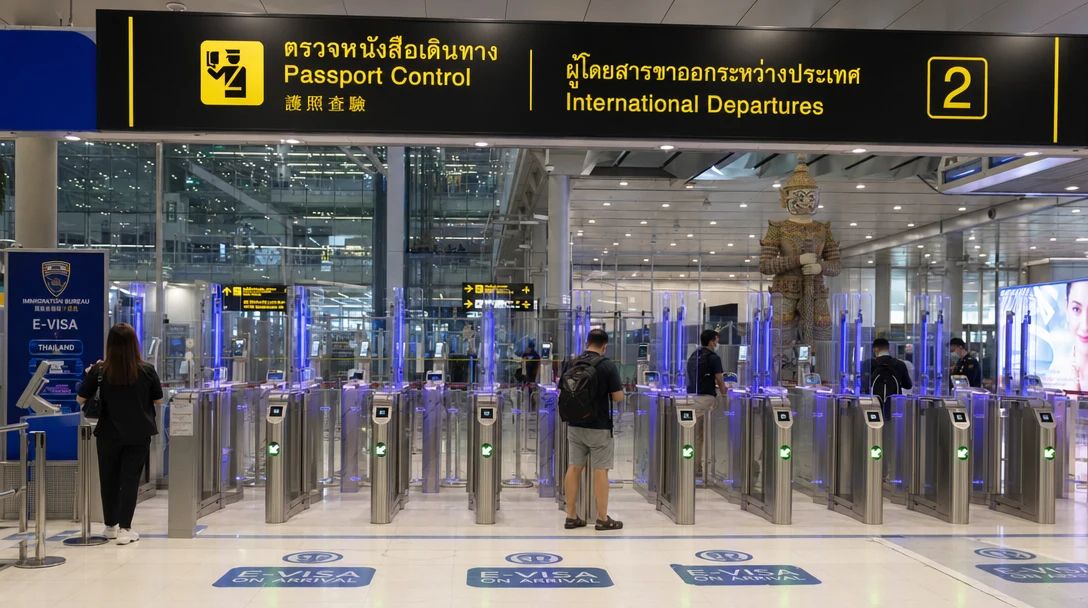
The Suvarnabhumi expansion project has improved transit flow for international arrivals. The horror-story immigration queues of peak season 2023 and early 2024 have gotten measurably better.
The Honest Conclusion
In an era of regional instability and rising costs in most major Asian cities, Bangkok remains a rare constant: genuinely affordable, functional, safe, and interesting. It doesn’t require idealization. It has pollution, traffic, and heat. It has neighborhoods that look rough and are perfectly fine, and a couple that look fine and aren’t. Learning the city takes time.
But as a base, whether for a month, a season, or a longer run, Bangkok delivers value and quality of experience that no comparable Asian city currently matches at its price point.
That’s the case. If you’re deciding, decide Bangkok.
Planning a Bangkok trip? Start with the Bangkok Nightlife 101 Guide for evenings, and the Bangkok Grab & Bolt Guide for getting around. The Best Time to Visit Thailand guide covers seasonal planning, and Thailand Travel Insurance is worth reading before you book flights.