The short answer: November through February. Cool, dry, pleasant. That’s when most people visit Thailand, and for good reason, you get blue skies, temperatures that don’t melt you, and every beach, island, and temple is accessible.
But here’s what that short answer misses: Thailand stretches over 1,600 km from north to south and has two separate coastlines with different monsoon patterns. The “best” month for Bangkok is not the best month for Koh Samui. April is the hottest month in the country, and also the most fun, if you’re into getting blasted with water cannons during Songkran. May through June is “low season,” which means hotel rates drop 40–60% and the crowds vanish entirely.
So the real answer is: it depends on where you’re going, what you want to do, and how much you want to spend. This guide breaks it all down.
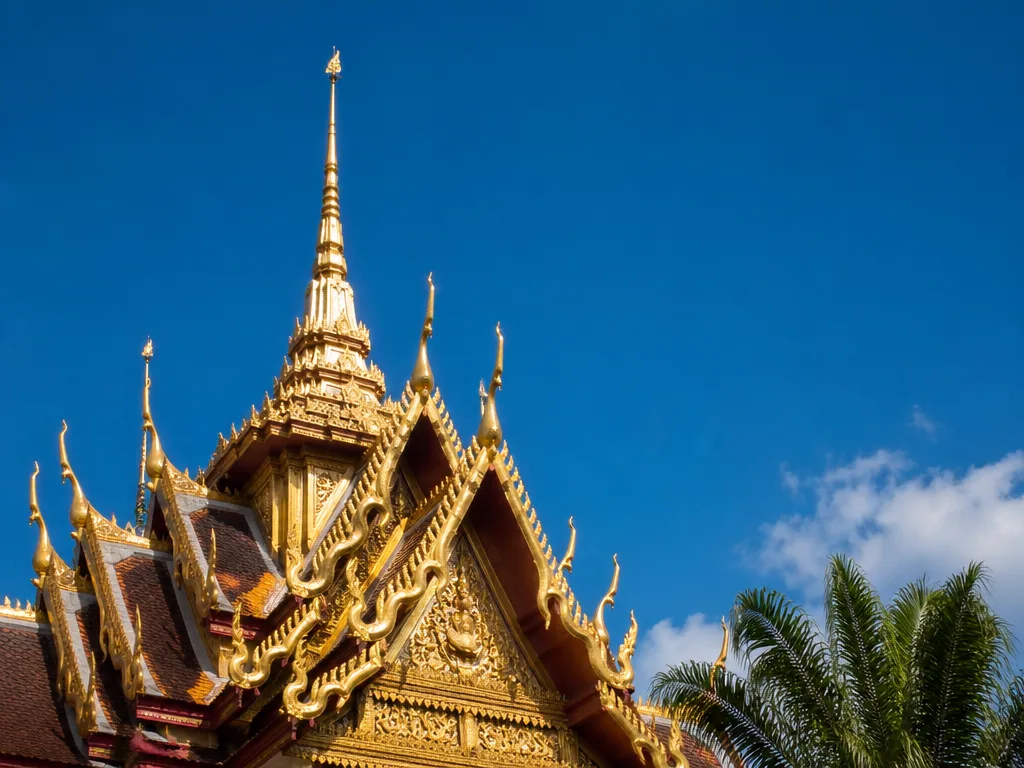
Thailand’s Three Seasons
Thailand doesn’t do four seasons. It does three:
- Cool season (November–February): Temperatures drop to 18–25 C in the north, 25–31 C in Bangkok. Low humidity. Clear skies. This is peak tourist season and peak pricing.
- Hot season (March–May): 35–40 C across most of the country. April is brutal. Bangkok feels like standing inside an oven. But hotel deals are excellent.
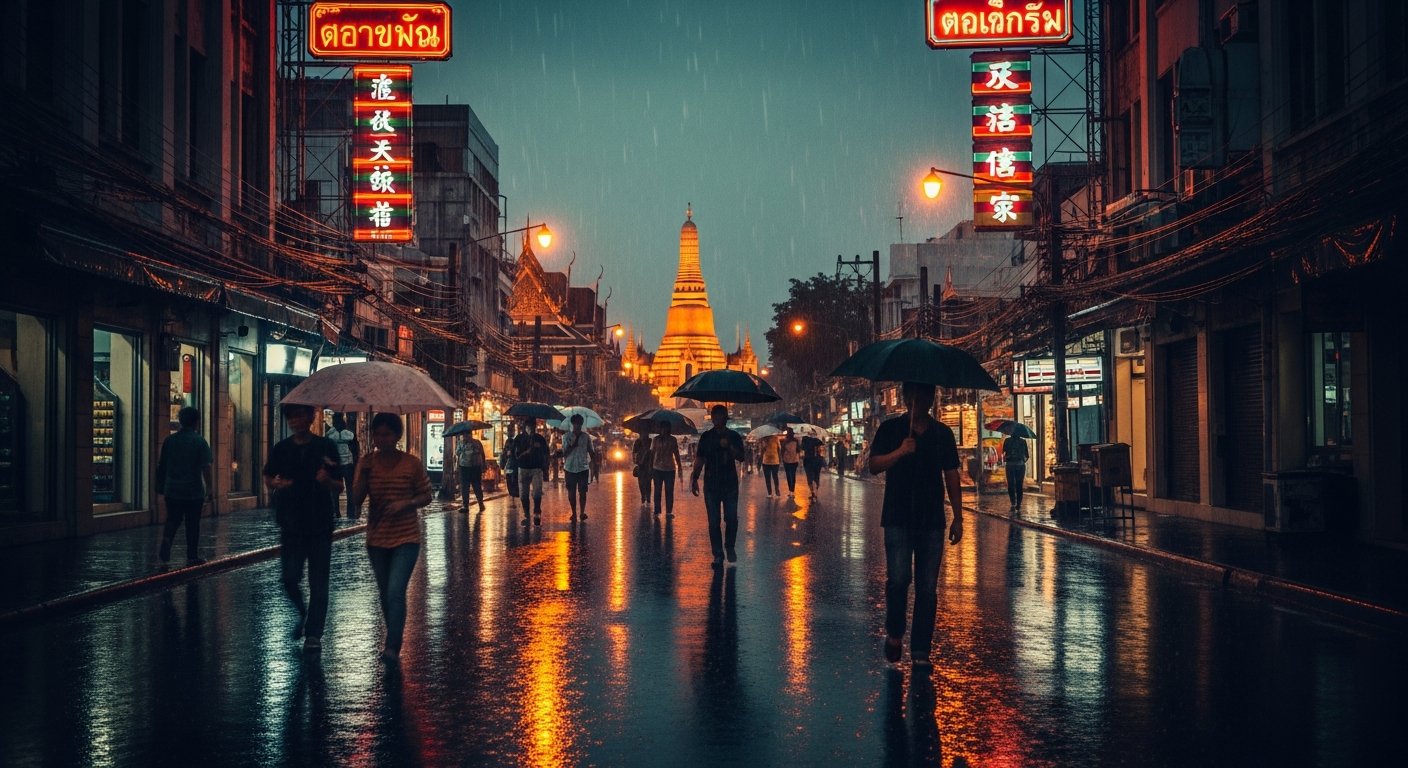
- Rainy season (June–October): Daily afternoon downpours, usually lasting 1–2 hours. It’s not raining all day, mornings are often sunny. The landscape turns impossibly green. Prices hit their lowest.
One critical nuance: the Gulf Coast (Koh Samui, Koh Phangan, Koh Tao) runs on a different monsoon calendar. Its worst months are October through December, when the Andaman side (Phuket, Krabi) is transitioning into its best season. More on this in the regional breakdown below.
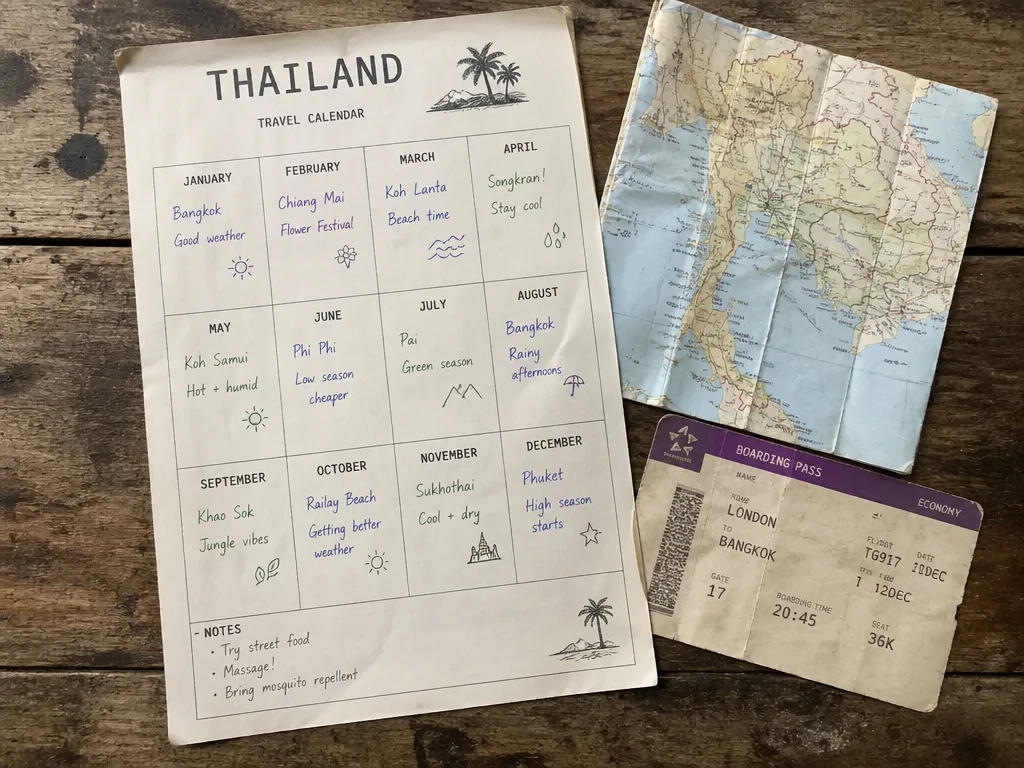
Month-by-Month Guide
Here’s the full breakdown. Crowd levels run from 1 (empty) to 5 (packed). Prices reflect overall averages for flights and accommodation.
| Month | Avg. Temp | Weather | Crowds | Prices | Highlights |
|---|---|---|---|---|---|
| January | 27 C | Dry, cool | 5 | $$$ | Peak season, Chinese New Year (late Jan/early Feb) |
| February | 29 C | Dry, warming | 4 | $$$ | Chiang Mai Flower Festival, still peak season |
| March | 31 C | Hot, dry | 3 | $$ | Shoulder season begins, haze in the north |
| April | 33 C | Hottest month | 3 | $$ | Songkran (Thai New Year, Apr 13–15) |
| May | 32 C | First rains arrive | 2 | $ | Low season starts, great hotel deals |
| June | 31 C | Rainy season begins | 1 | $ | Cheapest month for flights |
| July | 31 C | Regular afternoon rain | 2 | $ | Gulf islands peak season begins |
| August | 31 C | Monsoon continues | 2 | $ | Good for Koh Samui |
| September | 30 C | Heaviest rainfall | 1 | $ | Vegetarian Festival (late Sep/Oct) |
| October | 30 C | Rains tapering off | 1 | $ | Andaman coast reopening |
| November | 28 C | Cool season starts | 4 | $$ | Loy Krathong, Yi Peng lanterns |
| December | 27 C | Cool, dry, perfect | 5 | $$$ | Christmas/New Year premium pricing |
The value sweet spot: Late October through early November. The rains have stopped, peak season crowds haven’t arrived yet, and prices are still at shoulder-season levels. If you can be flexible by even two weeks, this window is gold.
Regional Breakdown: When to Visit Where
This is where most “best time to visit Thailand” guides fall short. They give you one answer for the whole country. Thailand has four distinct climate zones, and they don’t all align.
Bangkok
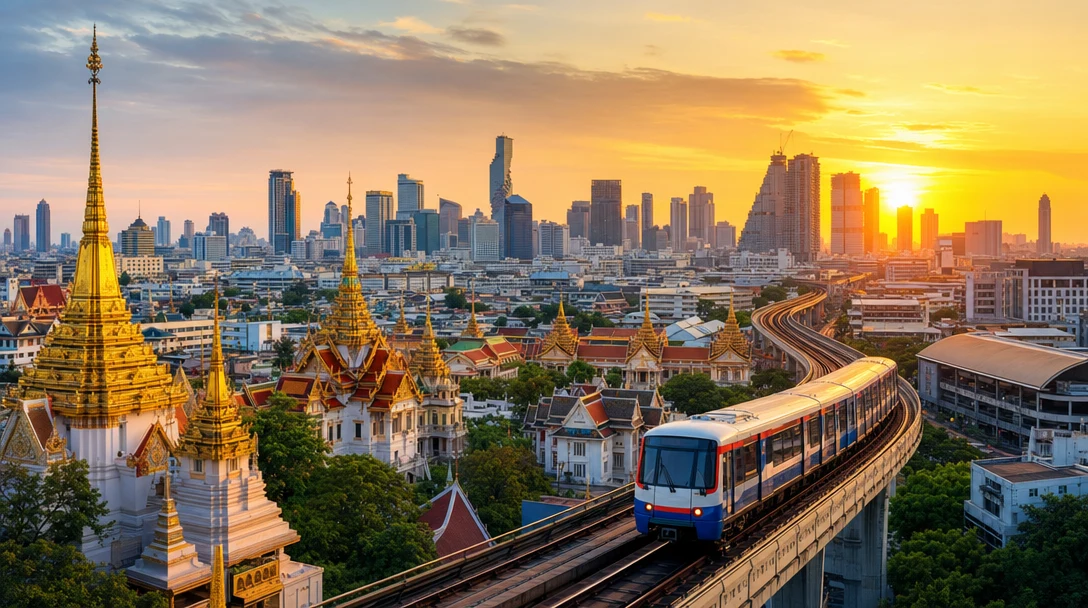
Bangkok is hot year-round. The question isn’t whether it’ll be hot, it’s whether it’ll be hot and wet.
- Best months: November–February (27–31 C, low humidity, almost no rain)
- Hottest: April (35–40 C, genuinely dangerous heat, hydrate constantly)
- Wettest: September–October (heavy daily downpours, occasional flooding)
- Best value: May–June (40–60% off hotel rates, rain is manageable)
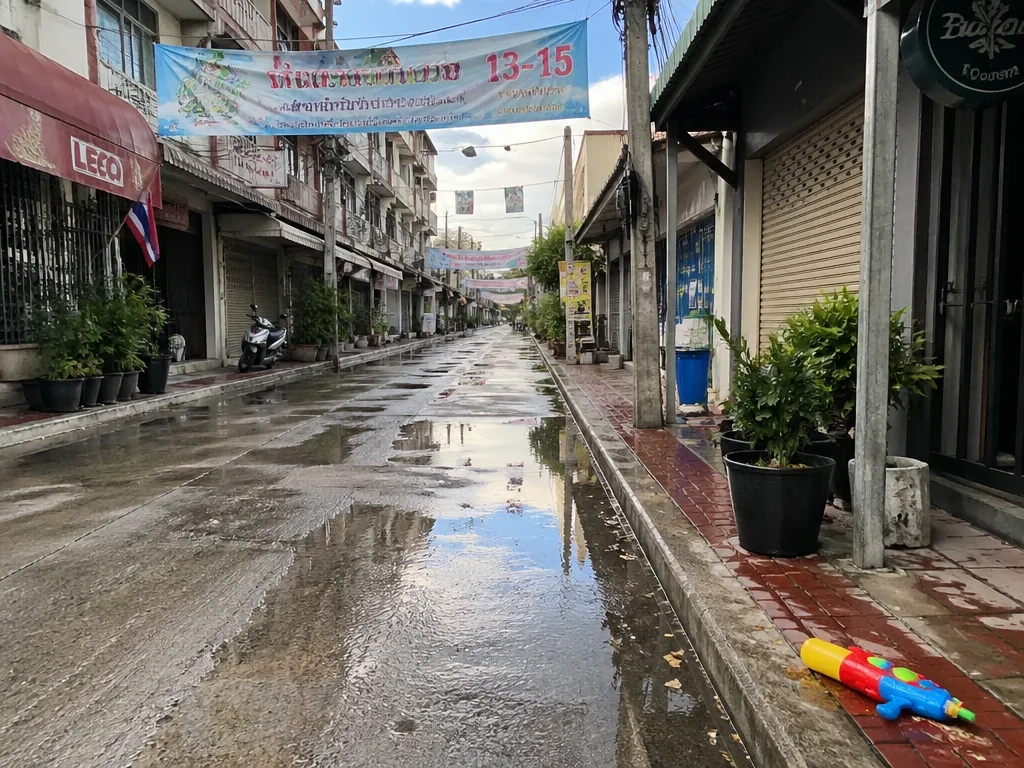
April deserves special mention. Yes, it’s the hottest month. But Songkran (April 13–15) transforms Bangkok into the world’s largest water fight. Three days of city-wide mayhem with water guns, hoses, and buckets. The heat suddenly becomes a feature, not a bug. If you’re planning a Thailand 7-day itinerary, timing it around Songkran adds a completely different dimension to the trip.
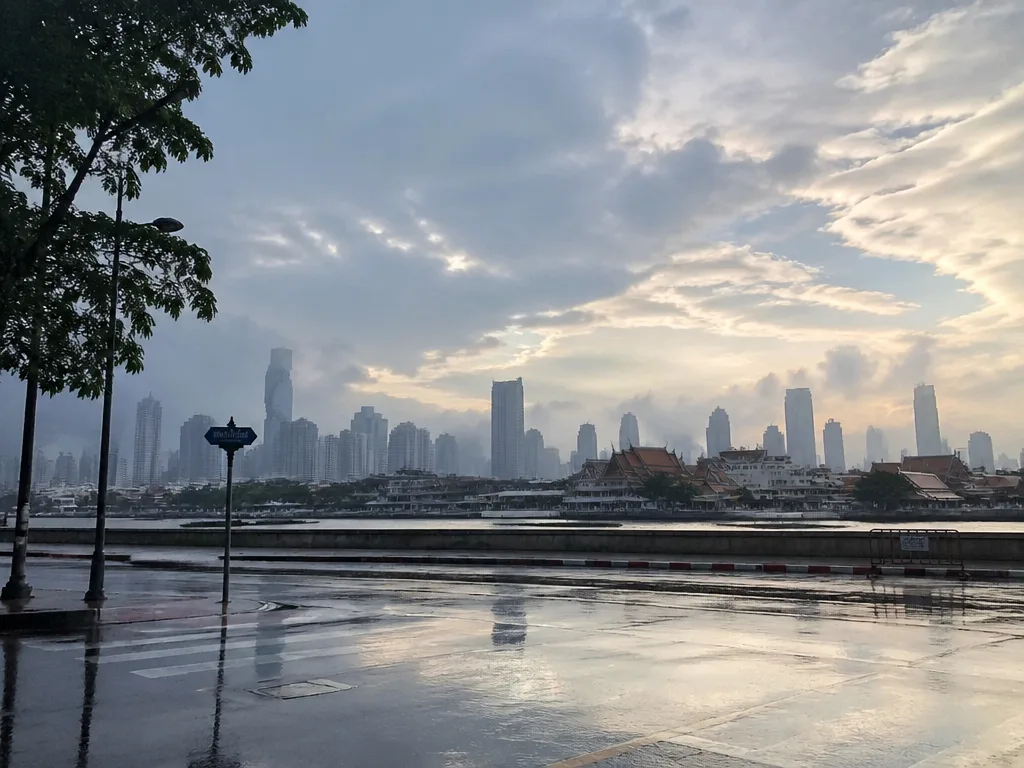
Rainy season in Bangkok (June–October) is misunderstood. It doesn’t rain all day. A typical pattern is a heavy downpour between 3–5 PM, then it clears. You can absolutely visit Bangkok during rainy season, just plan indoor activities for the afternoon. Read our rainy season guide for specific strategies.
If you’re looking at hotels, the price difference between peak and low season in Bangkok is dramatic. A ฿6,000/night room in January might be ฿2,500 in June. Check our Bangkok luxury hotels guide and budget hotels roundup for specific recommendations by season.
Northern Thailand (Chiang Mai, Chiang Rai, Pai)
The north has the widest temperature swing in the country and one significant problem that most guides don’t mention: burning season.
- Best months: November–January (15–25 C at night, 25–30 C during the day, genuinely cool, you’ll want a light jacket in the evening)
- Burning season: February–April (farmers burn fields, filling the air with smoke, AQI regularly exceeds 200, which is “very unhealthy”)
- Rainy season: June–October (afternoon showers, lush green landscape)
The burning season warning is serious. From roughly mid-February through mid-April, agricultural burning and forest fires create a thick haze across northern Thailand. The air quality in Chiang Mai regularly hits hazardous levels. If you have respiratory issues, avoid this period entirely. Even if you don’t, it ruins visibility and makes outdoor activities unpleasant.
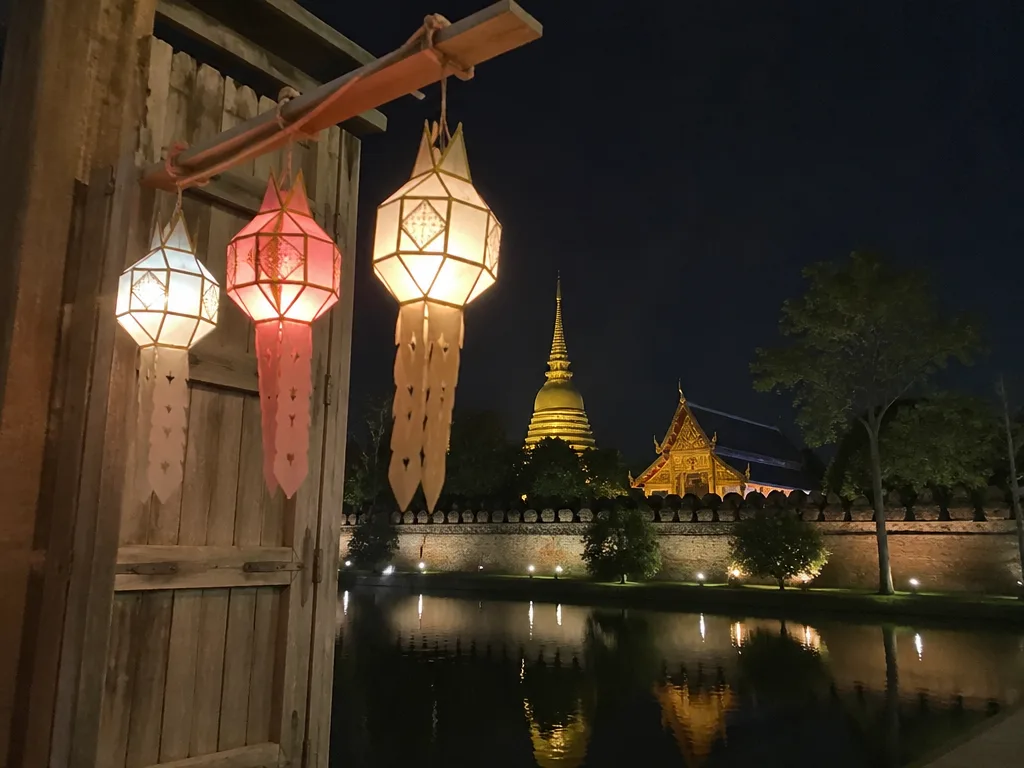
The sweet spot for northern Thailand is November through January. This is when Chiang Mai’s Old City is at its absolute best, cool enough to walk for hours without wilting, clear skies, and the Yi Peng lantern festival in November turning the night sky into something magical.
Andaman Coast (Phuket, Krabi, Phi Phi, Khao Lak)
The Andaman coast runs on the Southwest Monsoon, which means a clear division between “open” and “closed” seasons.
- Best months: November–April (dry, calm seas, perfect beach weather)
- Shoulder months: May, October (transitional, some rain, but still swimmable)
- Monsoon: June–September (heavy rain, rough seas, many island ferries cancel, some resorts close)
This is the most seasonal region in Thailand. During peak monsoon (July–August), the waves on Phuket’s west coast can be genuinely dangerous, and boat trips to the Phi Phi Islands or Similan Islands are often cancelled. Khao Lak largely shuts down.
If you’re planning island hopping from Krabi, aim for November through March. The seas are glass-calm, visibility for snorkeling is 20–30 meters, and the limestone karsts look best under blue sky.
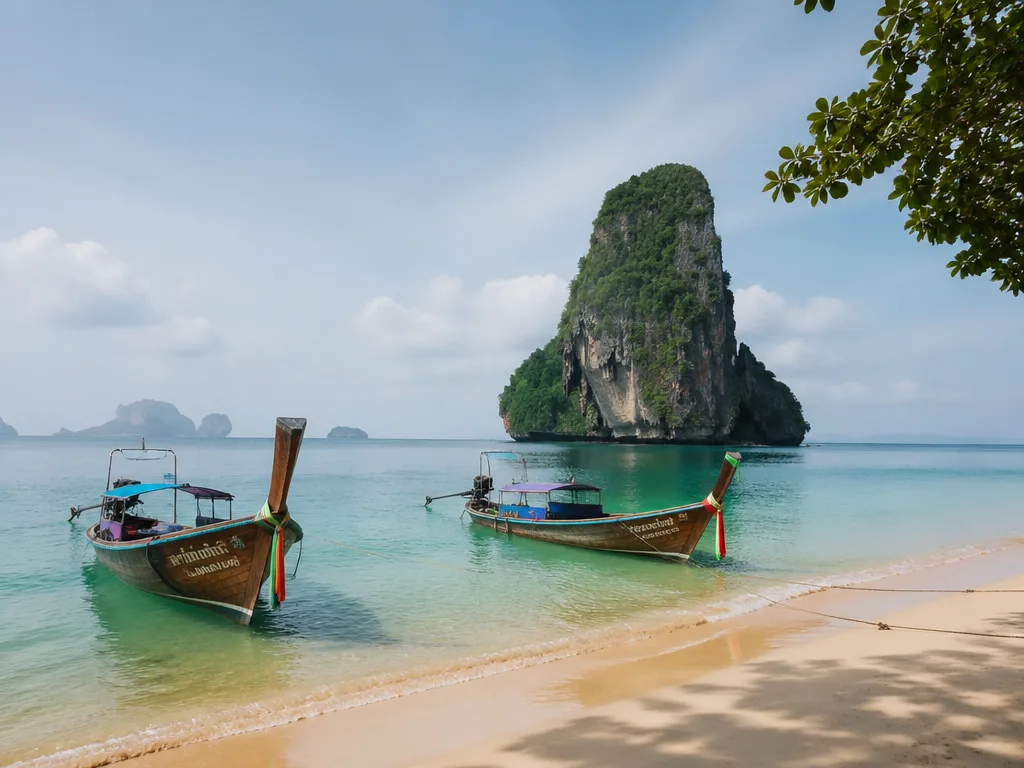
Gulf Coast (Koh Samui, Koh Phangan, Koh Tao)
Here’s the curveball. The Gulf Coast operates on the opposite monsoon cycle from the Andaman side.
- Best months: January–September (yes, really, it’s a long window)
- Worst months: October–December (Northeast Monsoon brings heavy rain and rough seas)
- Peak value: April–June (great weather and low-season pricing)
This makes the Gulf islands the perfect destination when the Andaman coast shuts down. July and August, when Phuket is getting hammered by monsoon, are actually excellent months for Koh Samui. The water is warm, the skies are mostly clear, and prices are reasonable because most tourists don’t know this.
October and November are the danger months for the Gulf. This is when tropical storms occasionally hit, flooding can be severe, and ferry services get disrupted. The Full Moon Party on Koh Phangan still runs, but you might be partying in a thunderstorm.
Island Timing Chart
| Month | Andaman (Phuket/Krabi) | Gulf (Samui/Phangan) | Best Coast |
|---|---|---|---|
| Jan–Feb | Peak season | Good | Both |
| Mar–Apr | Good (getting hot) | Good | Both |
| May | Transitional | Good | Gulf |
| Jun–Sep | Monsoon (avoid) | Good–Excellent | Gulf |
| Oct | Reopening | Worst month | Andaman (late) |
| Nov–Dec | Peak season | Monsoon tapering | Andaman |

Festival Calendar
Thailand’s festivals can be a reason to time your entire trip. Here are the ones worth planning around:
Songkran (April 13–15): Thai New Year. The entire country becomes a water fight. Bangkok’s Silom Road and Khao San Road are ground zero. Chiang Mai’s moat area is equally chaotic. Book hotels early, this is one of the most popular travel weeks for domestic and international tourists alike.
Loy Krathong (November full moon): Floating lantern festival. People release small lotus-shaped floats carrying candles onto rivers and waterways. Beautiful everywhere, but especially atmospheric in Chiang Mai (along the Ping River) and Sukhothai (the historical park). In 2025, it falls on November 5. In 2026, November 25. Our Loy Krathong guide covers the best spots to celebrate, what to bring, and the cultural meaning behind the ritual.
Yi Peng (November, Chiang Mai): Often confused with Loy Krathong (they overlap). Yi Peng is the northern Thai tradition of releasing sky lanterns (khom loi). Thousands of paper lanterns rising into the night sky simultaneously. The mass-release events require tickets and book out months in advance.
Full Moon Party (monthly, Koh Phangan): The famous all-night beach rave on Haad Rin beach. It happens every full moon. Peak months are December through March (20,000+ attendees). It still runs during low season but at a fraction of the size.
Vegetarian Festival (September/October, Phuket): Nine days of meatless eating, street processions, and extreme religious rituals. The food stalls are amazing, plant-based versions of Thai classics everywhere. The processions involve body piercing and fire-walking, which is fascinating or disturbing depending on your disposition.

Budget Timing: When to Get the Best Deals
If your primary goal is saving money, here’s what the data shows:
Cheapest flights: June and September. Round-trip fares from the US, Europe, and East Asia drop 30–40% compared to December–January. May and October are also good.
Cheapest hotels: May through June and September through October. Bangkok five-star hotels that charge ฿8,000+ per night in December regularly drop to ฿3,000–4,000. On the islands, the savings are even more dramatic, some Phuket resorts run at 50% of peak-season pricing.
Best overall value window: Early to mid-May. The hot season is ending, the first rains bring relief from the heat, tourist crowds have evaporated, and prices are at their floor. The Gulf islands are in excellent condition. Bangkok is perfectly visitable with afternoon rain the only real inconvenience.
Worst value: December 20–January 5. Peak pricing across the board, fully booked popular hotels, surcharges on everything. If you must travel over Christmas/New Year, book at least 3 months ahead.
Make sure you have travel insurance regardless of when you visit, it’s cheap and covers weather disruptions, which are more likely in shoulder season. If golf is part of your trip, November through February is also Thailand’s peak golf season — our Thailand golf guide covers the best courses near Bangkok, green fees, and the caddie culture that makes golf here so different from anywhere else.
The Honest Verdict
There is no single “best” time. It depends on what you’re optimizing for:
Best weather overall: December–January. Cool, dry, sunny everywhere except the Gulf coast in December.
Best for beaches (Andaman): November–March. Phuket and Krabi are at their finest.
Best for beaches (Gulf): February–August. Koh Samui, Koh Phangan, and Koh Tao at their calmest.
Best for budget: May–June or September–October. Rock-bottom prices, manageable weather, minimal crowds.
Best for culture/festivals: April (Songkran) or November (Loy Krathong + Yi Peng).
Best for northern Thailand: November–January. Before the burning season, after the rains.
Avoid: Late September in Bangkok (flooding risk), February–April in Chiang Mai (burning season), November in Koh Samui (storms).
If you’re a first-time visitor and can only go once, aim for late November. Loy Krathong celebrations, perfect weather in Bangkok and the north, the Andaman beaches just hitting their stride, and prices haven’t yet peaked for the Christmas rush. It’s the closest thing Thailand has to a universally ideal window.
But if November doesn’t work for your schedule, don’t stress. I’ve visited Thailand in every month of the year. There is no bad time, just different trade-offs. Pick the month that works for your life, read the regional section above for your destinations, and plan accordingly.
Thailand is a year-round destination. That’s not a travel brochure cliche, it’s the genuine reality of a country where you can always find good weather somewhere.