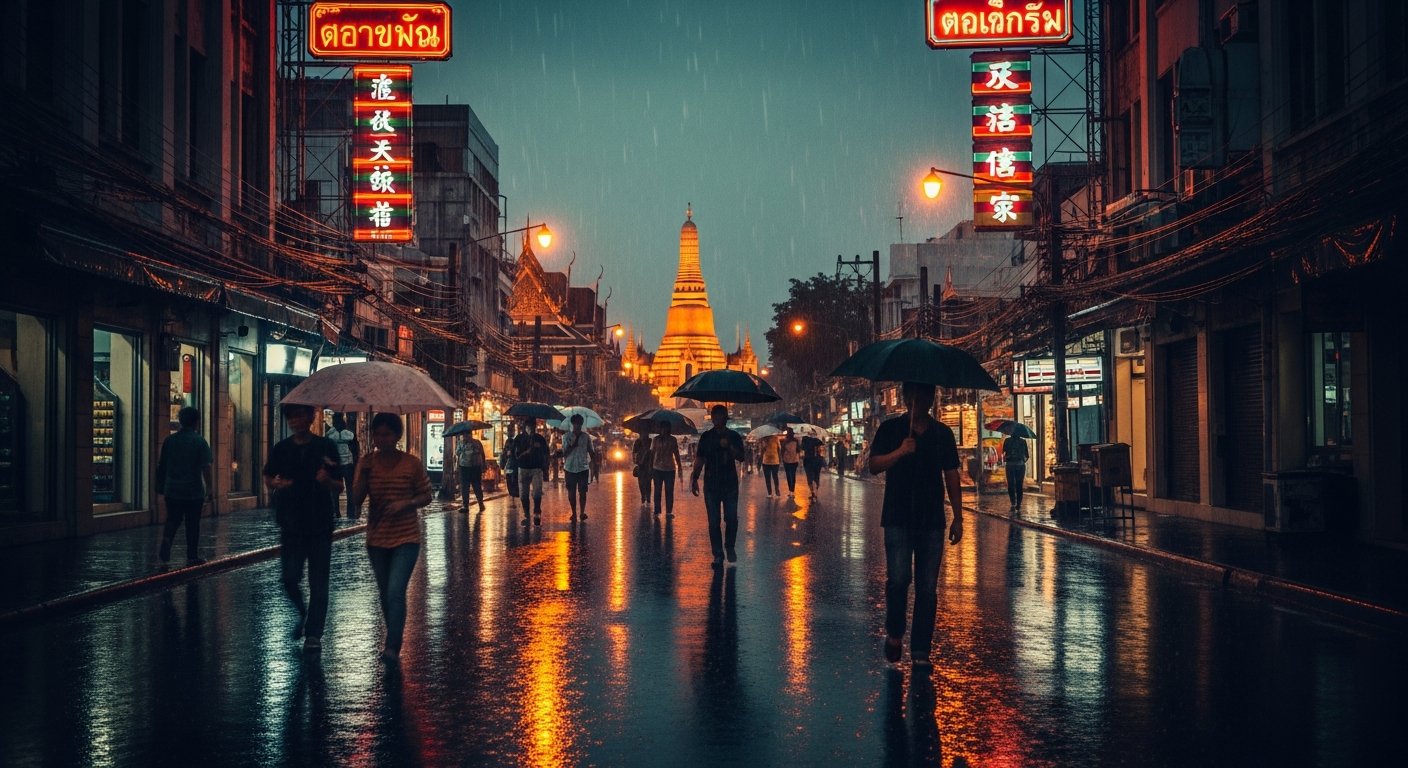
Most people hear “rainy season in Thailand” and picture a solid wall of gray water falling from June to October, streets chest-deep in muddy runoff, everything closed. I’ve lived here for a decade and I still get messages from friends canceling trips because they checked the weather app and saw a rain cloud icon for the entire week.
Here’s the thing: the weather app is technically correct and functionally useless. Yes, it rains during rainy season. It rains hard. It rains with a violence that would shut down most Western cities. And then, 45 minutes later, the sun comes back out, the streets dry, and everyone goes about their day as if nothing happened. Thailand’s rainy season is not the monsoon apocalypse you’re imagining. It’s an afternoon inconvenience wrapped in genuinely compelling reasons to visit.
Does It Rain All Day?
No. This is the single biggest misconception about traveling Thailand between June and October. The typical rain pattern is a short, intense downpour — usually between 2 PM and 5 PM — that lasts 30 minutes to two hours. Mornings are almost always clear. Evenings are often clear. You might get the occasional all-day drizzle, but that’s the exception, not the rule.
What this means practically: you wake up, you have a full morning of sightseeing in sunshine, you grab lunch, the sky turns dark around 2 PM, it pours while you’re in a cafe or your hotel, and by 4 PM you’re back outside in humid sunshine. The average rainy season day gives you 6-8 usable outdoor hours. That’s more than enough.
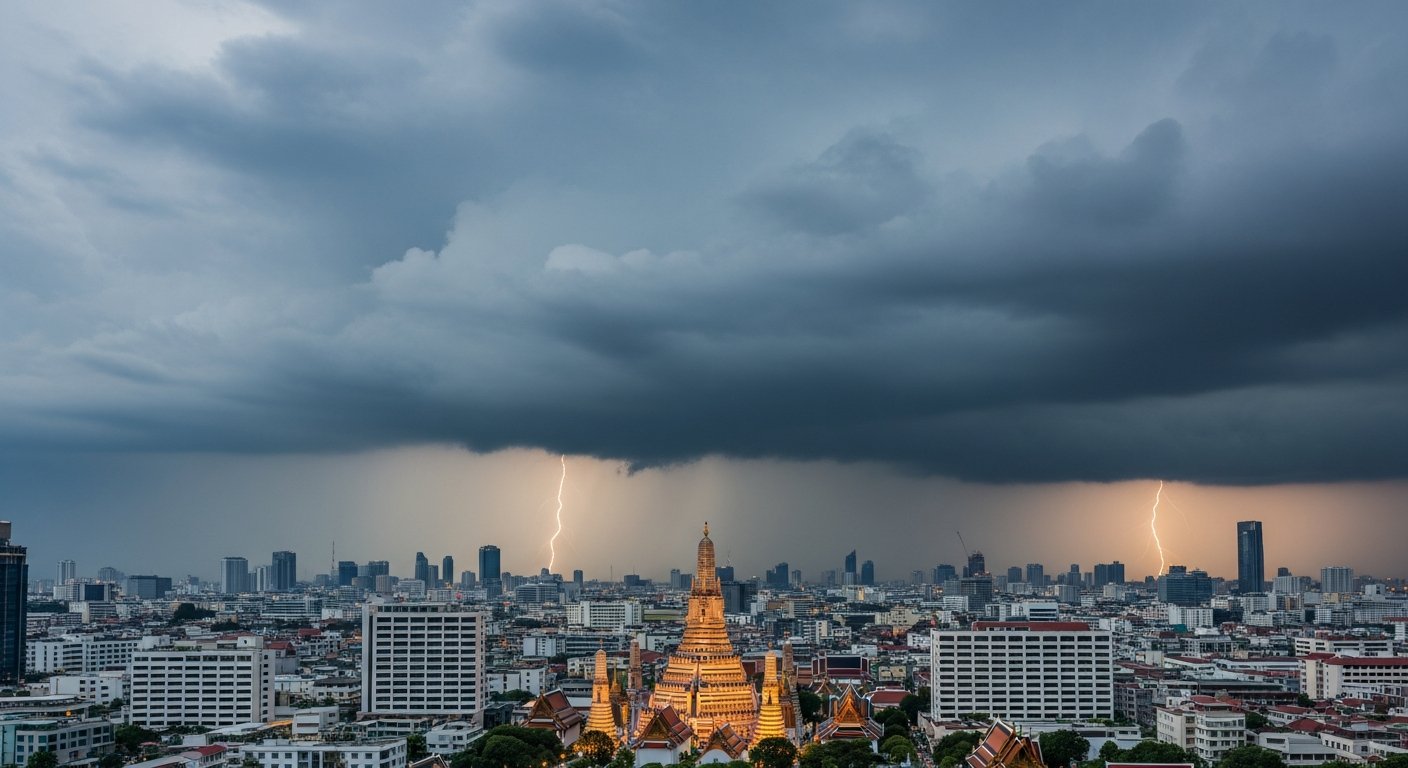
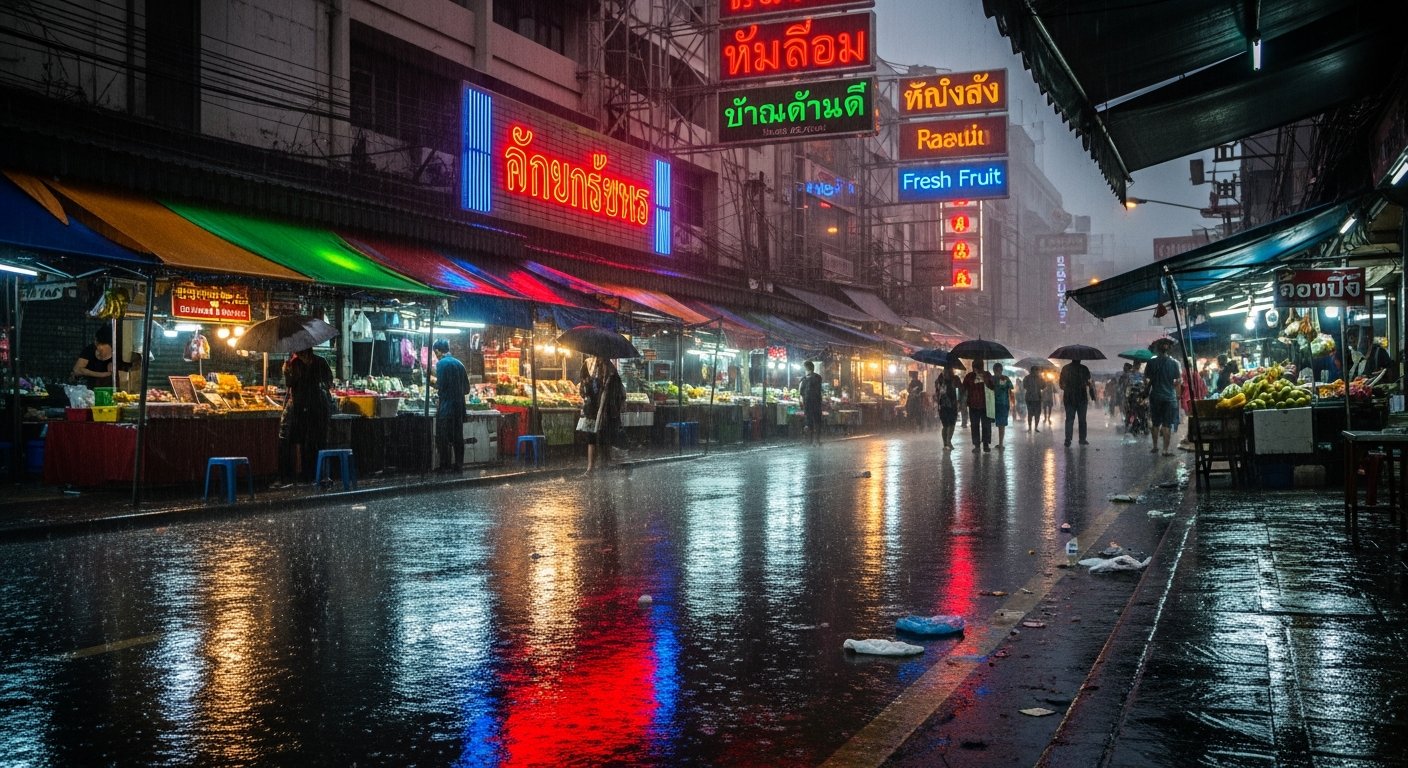
The rain itself is worth experiencing once. Thai rainstorms are theatrical — warm, heavy drops the size of grapes, thunder that rattles windows, lightning that turns the whole sky white. Sit under a covered terrace with a cold beer and watch the show. It’s genuinely one of my favorite parts of living here.
Month by Month: What to Actually Expect
Not all rainy season months are equal. Here’s the honest breakdown:
| Month | Rainfall | Best Regions | Notes |
|---|---|---|---|
| June | Moderate | Gulf coast (Koh Samui, Koh Phangan), Chiang Mai | Rain starts, but many dry days. Prices dropping. |
| July | Moderate-Heavy | Gulf coast, Northeast | Afternoon storms become reliable. Still plenty of sun. |
| August | Heavy | Gulf coast, Central Thailand | Wettest period for Bangkok. Green everywhere. |
| September | Heaviest | Gulf coast, Chiang Mai (end of smoke season) | Peak rainfall. Occasional flooding in Bangkok. Best hotel deals. |
| October | Heavy, tapering | Everywhere except Gulf | Transition month. Rain easing in Andaman, starting on Gulf. |
June is barely rainy season at all. Think of it as high season with a discount code. You’ll get the occasional afternoon shower, but many days are entirely dry. This is the sweet spot for budget travelers who want near-perfect weather at low-season prices.
September is the most intense month. Bangkok sees the highest rainfall, and this is when urban flooding becomes a real possibility. But it’s also when you’ll find five-star hotels at three-star prices, and popular temples with zero wait times.
The Gulf vs. Andaman Question
Thailand’s two coastlines operate on different weather schedules. This matters enormously for island trips, and most travel guides either skip it or explain it badly.
Andaman Coast (Phuket, Krabi, Phi Phi, Koh Lanta): Rainy season runs May through October. The southwest monsoon brings heavy rain, rough seas, and big swells to the west coast. Some island tours and ferry services shut down. Beaches get red-flag days when swimming is dangerous. If you’re planning Krabi island hopping, November through April is when you want to go.
Gulf Coast (Koh Samui, Koh Phangan, Koh Tao, Hua Hin): Different monsoon, different timing. The Gulf gets its worst weather from October through December — precisely when the Andaman coast is clearing up. June through September on the Gulf islands is often gorgeous — warm, mostly sunny, with occasional brief showers.
The practical takeaway: If you must visit Thailand during June through September and want islands, go Gulf side. Koh Samui in July is beautiful, uncrowded, and cheap. Phuket in July is a gamble — you might get lucky, or you might stare at gray surf from your hotel room for three days.
| Andaman Coast | Gulf Coast | |
|---|---|---|
| Best months | Nov–Apr | Jan–Sep |
| Worst months | May–Oct (monsoon) | Oct–Dec (monsoon) |
| Rainy season character | Heavy, sustained, rough seas | Shorter bursts, calmer waters |
| Examples | Phuket, Krabi, Phi Phi | Koh Samui, Koh Phangan, Koh Tao |
| Off-season deals | May–Oct: 30–60% discounts | Oct–Dec: 20–40% discounts |
Why Rainy Season Is Actually Worth It
Prices Drop Dramatically
This is the most compelling reason, full stop. The same beachfront room in Phuket that costs 5,000 baht per night in January drops to 1,500-2,000 baht in July. Flights to Thailand are 30-50% cheaper. Tour operators slash prices to fill boats. If you’re traveling on a budget, rainy season stretches your money dramatically — we’re talking three weeks for the cost of one week in high season.
For tips on managing your budget in Bangkok, including exchange rates and avoiding ATM traps, see our money and SIM card guide.
Fewer Tourists, Everywhere
The temples, beaches, and markets that are elbow-to-elbow in December? Half-empty in August. You’ll actually be able to take a photo at Wat Pho without 40 strangers in the background. Night markets feel like local events again instead of tourist processing centers. Restaurant staff have time to chat. The entire experience of being in Thailand shifts from “navigating crowds” to “exploring a country.”
The Landscape Transforms
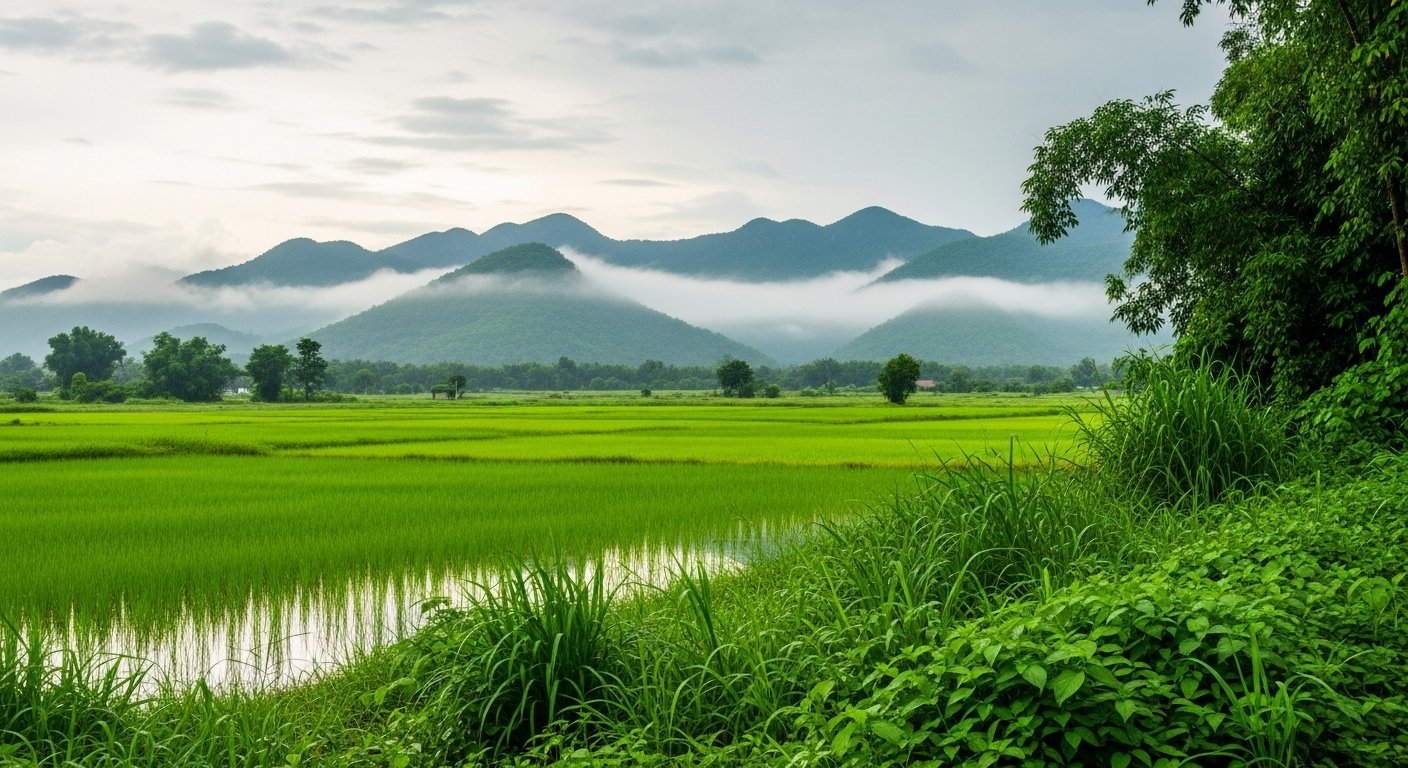
Thailand in high season is dry, dusty, and brown at the edges. Thailand in rainy season is electric green. Rice paddies flood and become mirrors reflecting the sky. Waterfalls that were trickles in March become thundering cascades. The air smells like wet earth and frangipani. Northern Thailand — Chiang Mai, Chiang Rai, Pai — is particularly stunning, because the smoke season (February-April) has cleared and the hills are lush.
Fruit Season
Rainy season overlaps with the best fruit season in Thailand. Mangosteen, rambutan, lychee, longan, and durian are all at peak availability and lowest prices from May through August. If you’ve never eaten a mangosteen picked that morning from a roadside vendor for 20 baht a kilo, you haven’t experienced Thai fruit at its best.
The Real Downsides
I’m not going to pretend rainy season is perfect. There are legitimate drawbacks, and you should know about them before booking.
Bangkok Flooding
Bangkok sits barely above sea level, and the drainage infrastructure can’t handle extreme downpours. After a heavy storm, certain streets and underpasses flood — sometimes ankle-deep, sometimes knee-deep, occasionally worse. Sukhumvit near Asok, the Lat Phrao area, and sections of Silom are repeat offenders.
How to deal with it:
- Check Thai weather Twitter accounts (@ABORNTHAI, Thai PBS) before heading out
- Carry waterproof bags for your phone and wallet
- Avoid underground walkways during heavy rain
- The BTS and MRT keep running during floods — elevated rail is your friend
- If streets flood, wait it out in a mall or cafe. The water usually recedes within 1-2 hours
- Sandals or waterproof shoes, not sneakers. Your white Nikes will not survive
Humidity Is Brutal
Rainy season humidity regularly hits 85-95%. You will sweat constantly. Your clothes will feel damp 10 minutes after putting them on. Your phone screen will fog up when you walk out of an air-conditioned building. This is the part of rainy season that no amount of positive framing can fix — it’s just uncomfortable, and you either tolerate it or you don’t.
Mitigation: Plan outdoor activities for mornings (6-11 AM), when it’s warmest but not yet peak humidity. Carry a small towel. Drink more water than you think you need. Embrace the cold shower.
Some Activities Shut Down
Diving visibility drops on the Andaman side. Some smaller islands close ferry services entirely. Outdoor attractions occasionally close after heavy storms. Full-moon parties on Koh Phangan still happen year-round, but the October-November editions can be a muddy mess.
What to Pack for Rainy Season
The packing list is different from high season. Here’s what actually matters:
Waterproof bag or dry bag. A 10-liter dry bag costs 200 baht at any Bangkok mall. Throw your phone, wallet, and passport in it when rain hits. This is the single most important rainy season item.
Compact umbrella. Not a poncho, not a raincoat — an umbrella. Ponchos make you sweat even more in the humidity. A small folding umbrella fits in any daypack and handles 90% of rain situations. You can also buy one at any 7-Eleven for 100-150 baht if you forget yours.
Quick-dry clothing. Cotton is the enemy. It absorbs sweat and rain, stays wet for hours, and starts to smell. Synthetic or merino wool shirts dry in 30 minutes. Linen works too.
Waterproof sandals. Flip-flops or sport sandals you don’t mind getting soaked. Leave the leather shoes at home.
Mosquito repellent. Rainy season means standing water means mosquitoes. DEET-based repellent from 7-Eleven (look for Soffell brand) works well. Apply it in the evening.
Light rain jacket. For motorbike rides or open-air tuk-tuks only. You won’t wear it walking around — too hot.
Best Activities When It Rains
The rain doesn’t mean your day is over. Some of the best Thailand experiences are indoor or covered:
Malls. Bangkok malls are destinations, not just shopping centers. Siam Paragon, ICONSIAM, Terminal 21, EmQuartier — these are air-conditioned palaces with food courts, cinemas, art exhibitions, and world-class people-watching. A rainy afternoon at ICONSIAM’s ground-floor Thai floating market food hall is time well spent.
Thai cooking classes. Most cooking schools are covered or indoor. A three-hour class runs 1,000-1,500 baht, fills the rain window perfectly, and you leave with actual skills.
Spa and massage. Two hours of Thai massage during a downpour is about as close to perfect as life gets. Prices are lower in rainy season too — shops are hungrier for customers.
Temple interiors. Wat Pho’s reclining Buddha is indoors. The Grand Palace complex has covered galleries. Many of Bangkok’s best temples are partially or fully sheltered.
Cafe hopping. Bangkok’s specialty coffee scene has exploded. Spend the rain hours working through the third-wave cafes of Ari, Ekkamai, or Charoen Krung.
Night markets (evening). Most evening markets operate under covered structures or pop-up roofs. Jodd Fairs, Asiatique, and Rod Fai are all partially sheltered. The rain clears out casual visitors, leaving shorter lines and a more local atmosphere.
Planning Your Rainy Season Trip
Book refundable. Weather unpredictability means your Andaman island day trip might get canceled. Book hotels and tours with free cancellation when possible.
Build in buffer days. If you’re doing a multi-stop trip, add a buffer day before any island departure. Getting stuck on the mainland because ferries are canceled for rough seas is a real possibility on the Andaman coast.
Front-load outdoor activities. Schedule temples, walking tours, and outdoor sightseeing for the morning. Plan indoor activities (malls, museums, cooking classes, massage) for the afternoon rain window.
Download offline maps. Heavy rain sometimes knocks out mobile data in rural areas. Google Maps offline mode is essential outside Bangkok.
Travel insurance. Genuinely important for rainy season. Flight delays, ferry cancellations, and the occasional medical issue from wet-season mosquitoes — basic travel insurance covers all of it for a few dollars a day.
FAQ
Is it safe to travel Thailand during rainy season?
Yes. Millions of tourists visit during rainy season every year without issues. The rain is an inconvenience, not a danger. The main safety concerns are flash flooding in certain Bangkok areas (avoidable with common sense) and rough seas on the Andaman coast (respect red flags on beaches). Standard travel precautions apply.
What’s the worst month to visit?
September and October see the heaviest rainfall in most of Thailand. September in particular brings the highest flood risk in Bangkok. That said, “worst” is relative — September also offers the lowest prices and emptiest attractions. If you’re flexible and don’t mind the occasional soggy afternoon, even September is perfectly viable.
Should I avoid the islands entirely during rainy season?
No, but choose wisely. The Gulf islands — Koh Samui, Koh Phangan, Koh Tao — are excellent from June through September. The Andaman islands (Phuket, Krabi, Phi Phi) are riskier during the same period, with rougher seas and more rain. See the Gulf vs. Andaman section above for timing.
Will my flights be affected?
Occasionally. Domestic flights get delayed during severe storms, usually by 30-60 minutes. International flights are rarely affected. Budget airlines (AirAsia, Nok Air) are more prone to delays than full-service carriers. Build buffer time into connections and don’t schedule a tight layover during peak rainy months.
Do I need special vaccinations for rainy season?
No special vaccinations beyond the standard Thailand recommendations. Dengue fever risk increases during rainy season due to more mosquitoes. Wear repellent, especially at dawn and dusk. There’s no dengue vaccine widely available for travelers — prevention is your only tool.
Rainy season Thailand is not the compromise trip people think it is. It’s a different version of the country — greener, quieter, cheaper, and honestly more interesting once you stop fighting the weather and start working with it. Pack an umbrella, book a cheap hotel, and let the afternoon storms be part of the experience.
For more practical planning, check our Bangkok transportation guide and money and SIM card guide to get the logistics sorted before you land.