Phuket is the one Thai destination where first-timers consistently pick the wrong beach, overpay for everything, and leave thinking the island is just another tourist trap. It’s not. Phuket is genuinely beautiful — the problem is that most visitors never get past the Patong bubble.
I’ve been coming here for a decade. The first few times, I stayed in Patong like everyone else, fought through the Bangla Road crowd, and wondered what the fuss was about. Then a local friend drove me to Freedom Beach, and I realized I’d been seeing maybe 10% of what Phuket actually offers.
Here’s the guide I wish someone had given me before my first visit.
Which Beach Should You Pick?
This is the single most important decision for your Phuket trip, and most people get it wrong. Each beach is basically a different vacation. Pick the wrong one and you’ll spend half your trip in a Grab car trying to get somewhere better.
| Beach | Vibe | Best For | Walk to Nightlife? | Price Level |
|---|---|---|---|---|
| Patong | Party central, loud, crowded | Nightlife, shopping, first-timers who want action | Yes (Bangla Road) | $$$ (tourist markup) |
| Kata | Relaxed, family-friendly | Couples, families, surfers (May–Oct) | 10-min walk to bars | $$ |
| Karon | Quiet, long stretch | Relaxation, longer stays | No (need transport) | $$ |
| Kata Noi | Secluded, beautiful | Privacy, boutique hotels | No | $$$ |
| Freedom Beach | Hidden, pristine | Day trips, photography | No | $ (access only) |
| Nai Harn | Local favorite, south tip | Sunset views, quieter scene | No | $$ |
The honest breakdown:
Patong is the default choice and that’s the problem. The beach itself is mediocre — packed with jet skis, touts selling parasailing, and umbrellas spaced so close together you can hear your neighbor’s phone call. But the infrastructure is unmatched: restaurants everywhere, Bangla Road for nightlife, malls, convenience stores, hospital. If this is your first time in Thailand and you want the full “Thailand vacation” package with zero planning, Patong works. Just don’t expect tranquility.
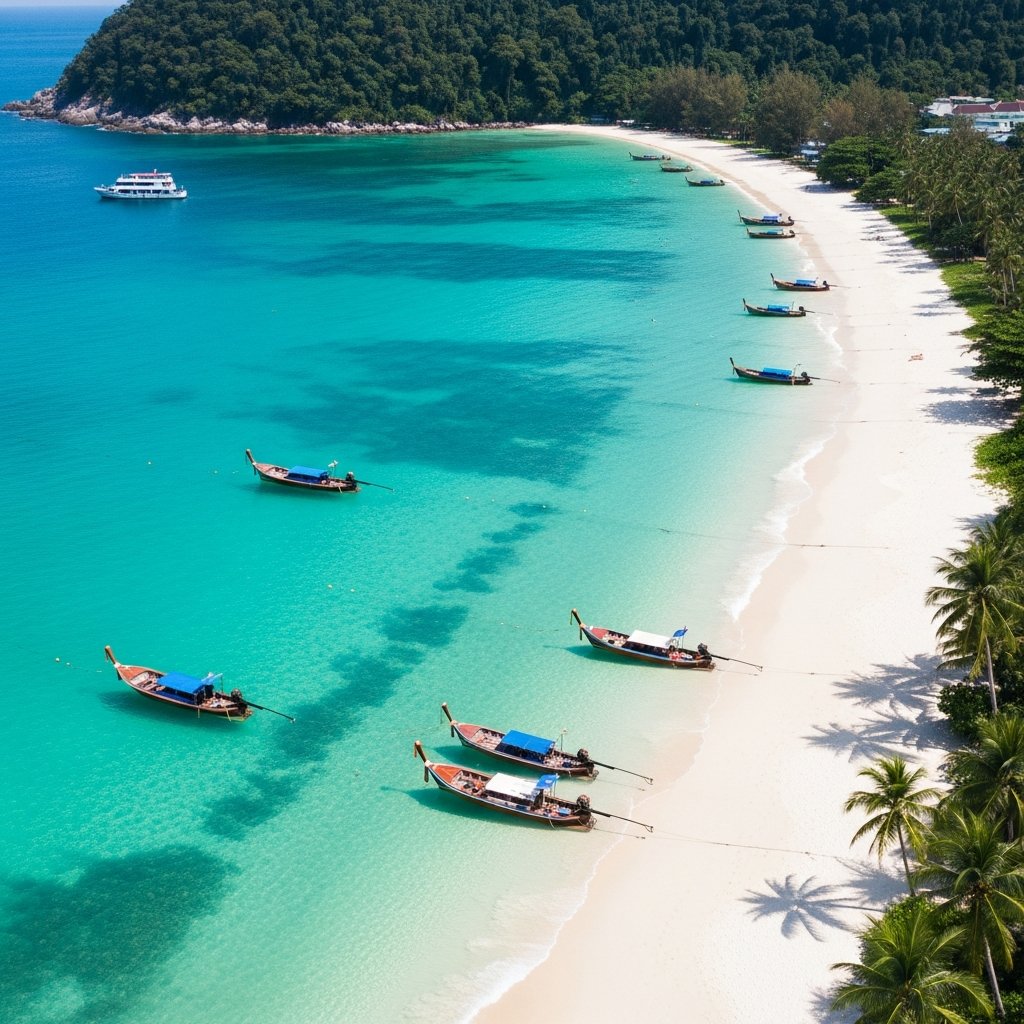
Kata is what I actually recommend for first-timers. Clean beach, good restaurants, enough nightlife to keep you entertained without the chaos. The bay is beautiful for swimming November through April, and there’s actual surf during monsoon season. Kata is 20 minutes from Patong by Grab (฿200–300), so you can visit the party without living in it.
Karon sits between Patong and Kata — literally and figuratively. Long, wide beach with noticeably fewer people. The trade-off is fewer restaurants and almost no nightlife. Good for people who want to read a book on the beach without someone trying to sell them a suit.
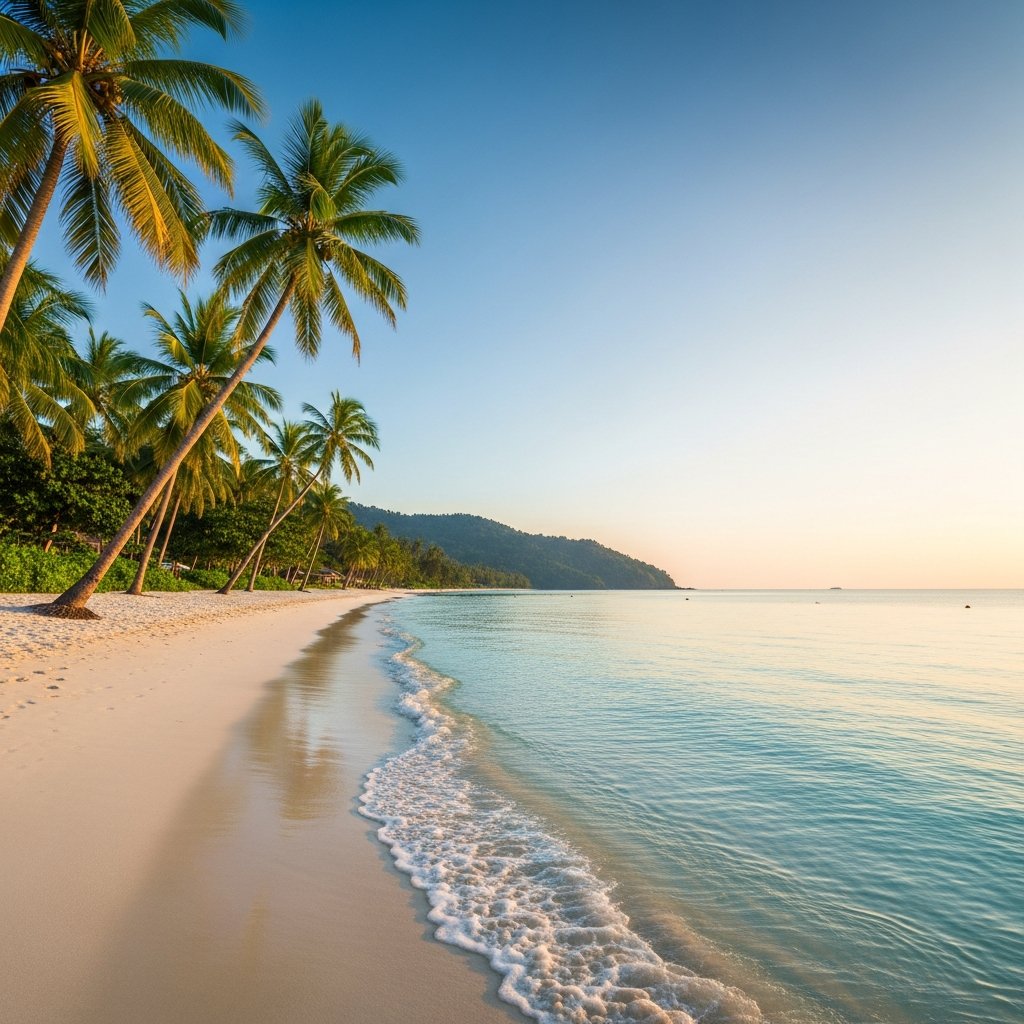
Freedom Beach deserves special mention. It’s the most beautiful beach on the island and most tourists never see it. Access is by longtail boat from Patong (฿1,500 round trip for the boat) or a steep jungle trail. No vendors, no jet skis, just white sand and clear water. Go early.
Phuket Old Town — The Part Most Tourists Skip
Old Town Phuket is the cultural heart of the island, and barely 20% of visitors bother going. That’s a mistake.
Thalang Road and the surrounding streets are lined with restored Sino-Portuguese shophouses — pastel-colored buildings from the tin mining era when Chinese immigrants built this neighborhood in the 19th century. The architecture is unique to southern Thailand and Penang. You won’t see it anywhere else in the country.
What to do in Old Town:
Walk Thalang Road. The main strip with the most photogenic buildings, boutique cafes in converted shophouses, and small galleries. Takes about an hour at a slow pace.
Sunday Walking Street Market. Every Sunday from 4 PM to 9 PM, Thalang Road closes to traffic and transforms into a night market. Local food stalls (not the same stuff you see at tourist markets), handmade crafts, live music. The fresh spring rolls for ฿30 are genuinely excellent. This is one of the best markets in southern Thailand, and it doesn’t feel manufactured for tourists.
Shrine of the Serene Light (Sang Tham Shrine). Hidden down a narrow alley off Phang Nga Road. A beautifully preserved Chinese shrine that most visitors walk right past.
Cafes. Old Town has quietly become Phuket’s best cafe district. Rush Coffee, The Charm Dining Gallery, and Bookhemian are worth a stop. Expect ฿80–150 for specialty coffee.
Old Town is a 30-minute Grab ride from Patong (฿300–400). I’d recommend spending at least a half-day here, ideally on a Sunday to catch the market.
Big Buddha and the Viewpoints
The 45-meter white marble Buddha statue sitting on top of Nakkerd Hills is visible from half the island. It’s free to visit, the road up is paved, and the panoramic views of Chalong Bay and Kata Beach are genuinely worth the trip.
Practical details:
- Free entry (donations appreciated)
- Open 6 AM to 7 PM
- Wear clothes that cover shoulders and knees (they provide cover-ups at the top if you forget)
- The access road is steep and winding — Grab or rent a scooter, don’t try to walk it
The best time to go is late afternoon, around 4–5 PM. The light is beautiful, the temperature drops, and you can watch sunset from the top. Mornings work too if you want fewer people.
Other viewpoints worth your time:
- Karon Viewpoint (Kata-Karon-Nai Harn triple view) — the classic three-bay panorama shot
- Promthep Cape — best sunset spot on the island, but crowded at golden hour
- Windmill Viewpoint — between Nai Harn and Ya Nui, less crowded than Promthep
Best Season to Visit
Phuket has two seasons that matter:
| Season | Months | Weather | Crowds | Prices |
|---|---|---|---|---|
| High season | Nov–Apr | Dry, sunny, calm seas | Packed | Peak rates |
| Low season | May–Oct | Rainy, occasional storms, waves | Quiet | 30–50% discounts |
November through April is when you want to come for your first visit. Clear water, calm seas, predictable sunshine. December and January are the busiest (and most expensive) — February through April gives you the same weather with slightly smaller crowds.
May through October gets a bad reputation, but it’s not monsoon the entire time. It rains most afternoons for 1–2 hours, then stops. Morning and evening are often clear. Hotel rates drop dramatically — the same room that costs ฿5,000 in December goes for ฿2,000 in July. The west-coast beaches get serious waves though, so swimming can be dangerous. Red flags mean stay out.
If your schedule allows, late November or early April gives you high-season weather with shoulder-season pricing.

Getting Around Phuket
Phuket’s biggest practical problem: there is no public train system, no BTS, no MRT. The island is 50 km long, and getting between beaches requires a vehicle.
Your options:
Grab — the most convenient for tourists. Phuket prices are higher than Bangkok (฿200–400 for cross-island trips), and during peak hours on Patong Hill, expect wait times. Drivers are reliable though, and you can pay cashless. If you’re going out at night, Grab is the safest option.
Songthaew (shared truck-bus) — the cheapest option. Blue songthaews run from Phuket Town to each beach for ฿30–50 per person. The catch: they stop running around 5–6 PM, they don’t connect beaches to each other (only to Phuket Town), and frequency is unpredictable. Fine for a daytime Old Town trip, useless for nightlife.
Scooter rental — ฿200–300 per day for a Honda Click or similar. The most freedom, but Phuket’s roads are genuinely dangerous. The hills are steep, the curves are blind, and the traffic drives aggressively. If you’re an experienced rider, it’s the best way to explore. If you’ve never ridden a scooter, Phuket is not the place to learn. Hospital visits are expensive.
Private driver — ฿2,000–3,000 for a full day with a driver. Makes sense if you’re splitting with 2–3 people and want to hit multiple spots (Old Town + Big Buddha + viewpoints). Ask your hotel to arrange one — they all know someone.
| Transport | Cost | Coverage | Best For |
|---|---|---|---|
| Grab | ฿200–400/trip | Everywhere | Night transport, convenience |
| Songthaew | ฿30–50/trip | Phuket Town ↔ beaches only | Budget daytime travel |
| Scooter rental | ฿200–300/day | Total freedom | Experienced riders |
| Private driver | ฿2,000–3,000/day | Custom routes | Groups, full-day tours |
Scams and Tourist Traps to Avoid
Ten years of watching tourists get fleeced — here’s the list:
Tuk-tuk and taxi mafia. Phuket tuk-tuks are not metered and not cheap. They operate on a cartel system with fixed high prices. A ride from Patong to Kata costs ฿400–600 in a tuk-tuk versus ฿200–250 on Grab. Always use Grab or negotiate hard before getting in.
Jet ski damage scams. This is Phuket’s most infamous tourist scam. You rent a jet ski, return it, and the operator “discovers” pre-existing damage and demands ฿10,000–30,000 for repairs. If you must rent a jet ski, take timestamped video of every scratch before you get on. Better yet, skip it entirely. The water is beautiful enough from the beach.
“Free” tuk-tuk tours. Drivers offer free rides to gem shops, tailor shops, or “special” restaurants. The driver gets a commission for bringing you, and you get pressured into buying overpriced sapphires you don’t need. Nothing is free.
Overpriced island tours on the beach. Random guys on the beach sell snorkeling and island tours for ฿2,000–3,000 per person. The same tours booked through your hotel or on Klook cost ฿800–1,200. Always compare prices before buying from beach touts.
Bangla Road drink prices. The go-go bars and clubs on Bangla Road charge ฿200–350 for a beer and ฿300–500 for cocktails. This is just how it works — not technically a scam, but significantly more expensive than anywhere else on the island. The bars in the sois behind Bangla are 30–40% cheaper for the same drinks.
Day Trips Worth Taking
Phi Phi Islands — the famous one. Stunning limestone cliffs, Maya Bay (now reopened with visitor limits). Book a speedboat tour (฿1,500–2,500) or take the ferry (฿400–600 one way, 90 minutes). Go early to beat the midday crowd.
Phang Nga Bay (James Bond Island) — dramatic karst formations rising from emerald water. The actual “James Bond Island” (Khao Phing Kan) is small and crowded, but the rest of the bay is spectacular. Canoe tours through sea caves and mangroves are the highlight. Full-day tours run ฿1,200–2,500.
Similan Islands — world-class diving and snorkeling, but only open October 15 to May 15. It’s a 70-minute speedboat ride from the mainland. If you’re visiting during high season and like underwater scenery, this is Thailand’s best.

Where to Eat Without Getting Ripped Off
The rule everywhere in Thailand applies double in Phuket: walk one block away from the tourist strip and prices drop by half.
In Patong, the restaurants along the beach road charge ฿200–400 for basic Thai dishes. Walk to the back streets behind Jungceylon mall, and the same pad thai costs ฿60–80. The food is often better at the cheaper places because they’re cooking for locals.
Worth trying:
- Raya Thai Cuisine (Old Town) — upscale Thai food in a gorgeous Sino-Portuguese house. ฿150–300 per dish. Worth the splurge.
- One Chun (Old Town) — excellent southern Thai food at reasonable prices. The crab curry is outstanding.
- Night markets — Chillva Market (Thursday–Saturday) and Naka Market (Saturday–Sunday) have solid street food at ฿40–80 per dish.
- Go Benz (Rawai) — seafood at local prices near the fisherman’s pier. Pick your fish, they grill it.
For food in Bangkok before or after your Phuket trip, check our Yaowarat Chinatown food guide for what actual street food mastery looks like.
The Bottom Line
Phuket rewards the visitor who looks past Patong. Stay in Kata for the best first-timer balance, spend a half-day in Old Town (Sunday if possible), catch sunset from Big Buddha, use Grab for transport, and don’t rent a jet ski.
A week in Phuket — done right — costs ฿2,000–3,000 per day for a comfortable mid-range trip (hotel, food, transport, one day trip). You can do it cheaper, or much more expensively, but that’s the sweet spot where you’re comfortable without getting fleeced.
The island is bigger and more interesting than its reputation suggests. You just have to leave the beach.