You land in Bangkok at noon. You check into your hotel, drop your bags, and walk to the nearest 7-Eleven for a cold Chang. You grab two tallboys, walk to the register, and the cashier shakes her head. She points at the clock. It is 2:47 PM. The register will not process the sale. The beer stays on the shelf. You are now standing in a convenience store, jetlagged and confused, wondering if you imagined that Thailand was a party destination.
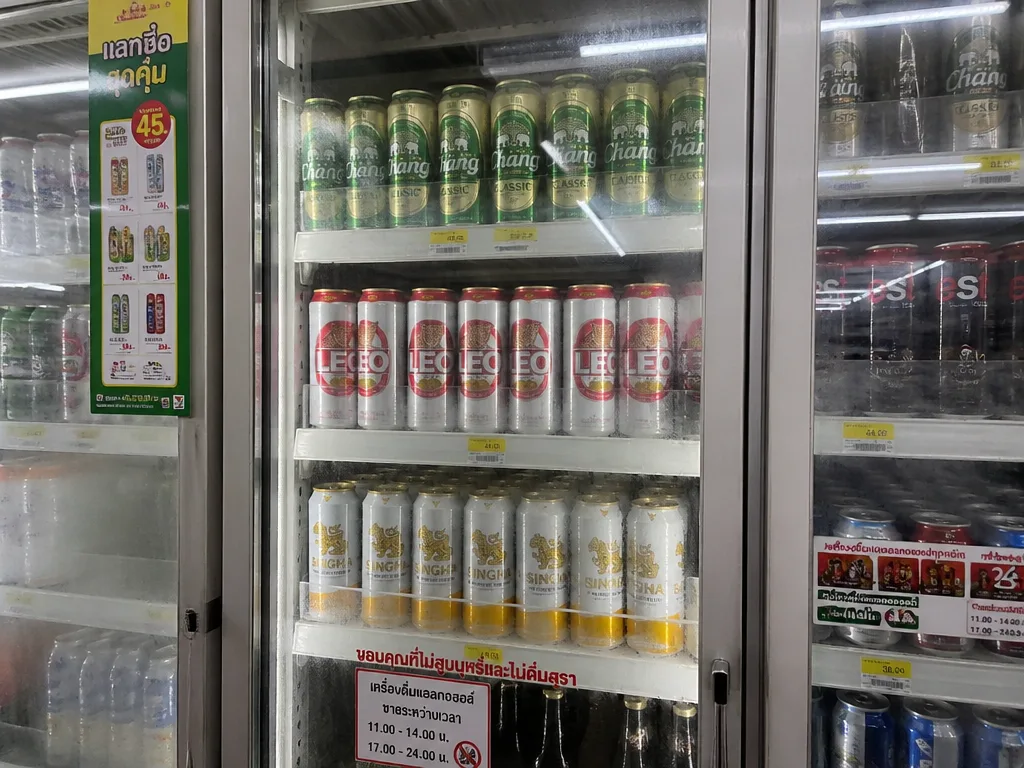
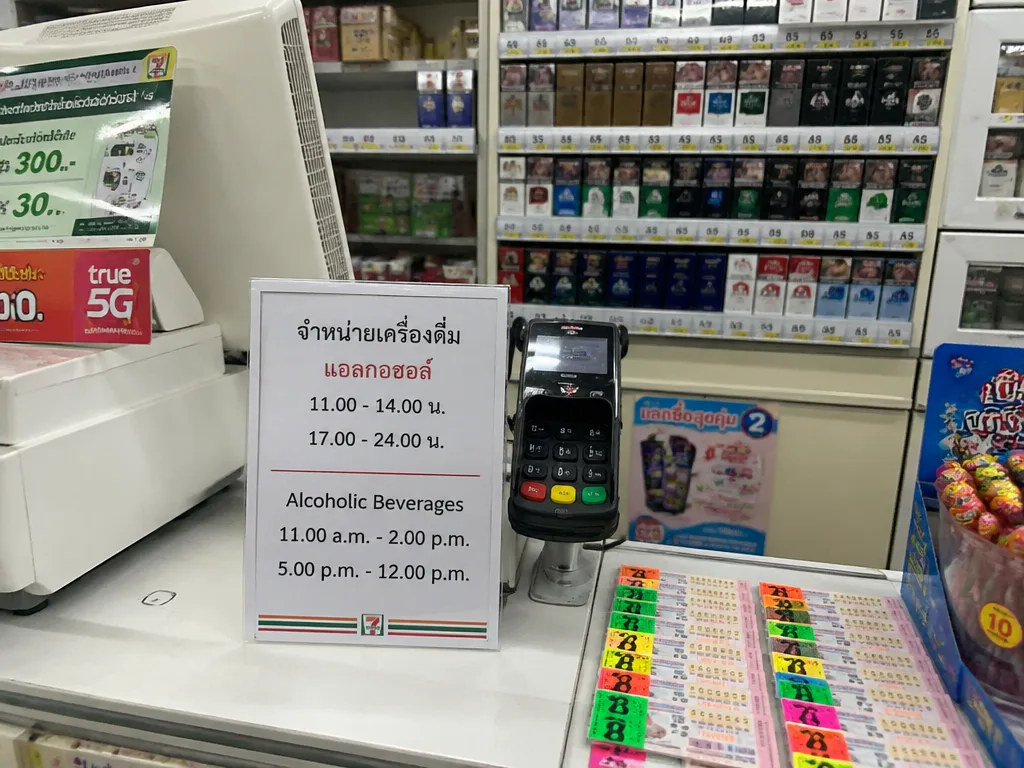
This is one of the most common first-day surprises for visitors to Thailand. The country has some of the most specific alcohol regulations in Southeast Asia, and they will affect your trip if you do not know about them in advance. These are not obscure laws that nobody enforces. The 7-Eleven register literally locks out alcohol purchases during restricted hours. It is hard-coded into the system. The cashier cannot override it even if she wanted to.
Here is everything you need to know about when you can buy alcohol in Thailand, when you cannot, and why the rules exist in the first place.
The Daily Time Restrictions
Thailand restricts alcohol sales to two windows each day:
| Window | Hours | What It Means |
|---|---|---|
| Morning window | 11:00 AM - 2:00 PM | Three hours to buy |
| Evening window | 5:00 PM - Midnight | Seven hours to buy |
| Blocked: afternoon | 2:00 PM - 5:00 PM | No sales at any retail or food outlet |
| Blocked: late night/morning | Midnight - 11:00 AM | No sales at any retail or food outlet |
This means there are two dead zones each day: the three-hour afternoon gap from 2 PM to 5 PM, and the eleven-hour overnight gap from midnight to 11 AM. The afternoon gap is the one that catches tourists off guard. You finish lunch, want a beer, and cannot buy one anywhere for the next three hours.
The legal basis is the Thai Alcohol Control Act B.E. 2551, enacted in 2008, specifically Section 28 and its subsequent ministerial regulations. The law applies to all retail sales, convenience stores, supermarkets, grocery shops, and technically to restaurants and bars as well.
Why does this law exist? It is not arbitrary. Thailand has one of the highest alcohol consumption rates in Southeast Asia and ranks among the top in Asia overall. The government introduced the afternoon ban specifically to reduce daytime drinking, with particular concern about two groups: construction workers drinking during lunch breaks and then operating heavy machinery, and university students drinking during afternoon class breaks. The World Health Organization had flagged Thailand’s alcohol-related injury and mortality rates, and the 2008 act was part of a broader public health initiative.
At chain stores like 7-Eleven, Family Mart, CJ Express, Big C, Tesco Lotus, and Tops Market, enforcement is absolute. The POS system blocks alcohol barcodes outside the legal windows. The cashier cannot override it. This is not a suggestion or a guideline. It is a hard stop.
Buddhist Holiday Alcohol Bans
Beyond the daily restrictions, Thailand enforces complete 24-hour alcohol bans on major Buddhist holidays. These are called wan phra yai (วันพระใหญ่), the great holy days, and they are the dates you absolutely need to have on your radar.

The Major Buddhist Holidays
| Holiday | Thai Name | Typical Month | What It Commemorates |
|---|---|---|---|
| Makha Bucha | มาฆบูชา | February/March | 1,250 disciples gathering spontaneously to hear Buddha teach |
| Visakha Bucha | วิสาขบูชา | May | Buddha’s birth, enlightenment, and death, the holiest day in Buddhism |
| Asanha Bucha | อาสาฬหบูชา | July | Buddha’s first sermon after enlightenment |
| Khao Phansa | เข้าพรรษา | July (day after Asanha Bucha) | Start of Buddhist Lent, monks enter retreat for three months |
| Ok Phansa | ออกพรรษา | October | End of Buddhist Lent |
All five holidays follow the lunar calendar, so the exact dates shift every year. They are announced by the government, typically published months in advance, but the lunar calculation means you cannot simply Google “Visakha Bucha date” and trust a random website from two years ago.
On these days, the ban is total. Every bar, club, restaurant, convenience store, and supermarket in the country is prohibited from selling alcohol for the full 24 hours, typically from midnight to midnight. This is not like the afternoon gap where enforcement varies by venue type. On Buddhist holidays, even the most tourist-friendly bars on Khao San Road close their taps. Nightlife strips go dark. Walk down Soi Cowboy on Visakha Bucha and you will find go-go bars that are either completely shuttered or open with only food and soft drinks.
Why so strict? Thailand is approximately 95% Buddhist. These holidays are not ceremonial window dressing, they are the most sacred days in the religious calendar. Selling alcohol on Visakha Bucha carries roughly the same cultural weight as a liquor store opening on Christmas morning in a deeply religious American small town, except amplified by the fact that nearly the entire country shares the faith. The alcohol ban on these days is not a public health measure. It is a religious observance encoded into law, and the Thai public broadly supports it.
Election Days
Thailand also bans alcohol sales on election days and the day before elections. The logic is straightforward: prevent vote-buying through alcohol distribution and ensure voters show up sober. When Thailand holds a major election, this means a two-day alcohol drought that catches unprepared tourists completely off guard.
The Gray Areas: Where Rules Bend
Here is where it gets interesting, and where practical knowledge matters more than reading the law.
Hotels
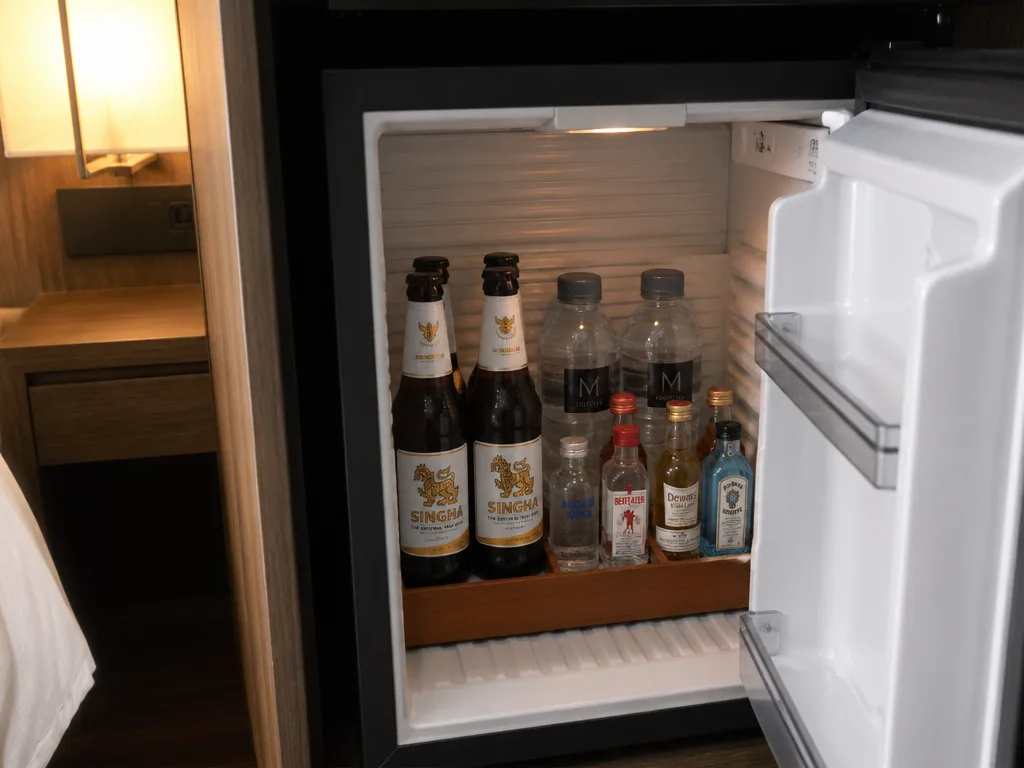
Your hotel minibar is stocked. You can drink from it any time, any day, including Buddhist holidays. The alcohol was purchased and placed there during legal hours, and consuming it in your private room is not a public sale. Some higher-end hotel restaurants and bars also serve alcohol to registered guests during the 2-5 PM window and occasionally on Buddhist holidays. This is technically a gray area, but hotels with international clientele, the Marriotts, the Hiltons, the boutique properties in Sukhumvit, generally serve their guests quietly. It is not advertised. You will not see a sign saying “We serve during banned hours.” But if you sit down at the hotel bar at 3 PM and order a glass of wine, there is a reasonable chance it will arrive.
Tourist-Heavy Areas
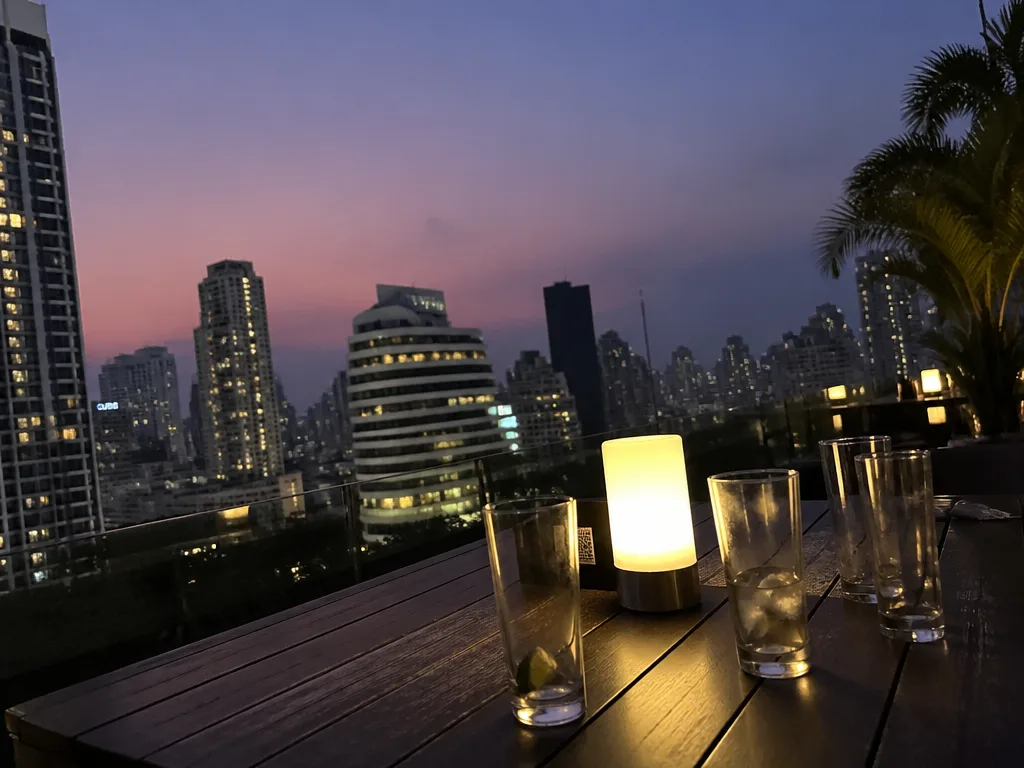
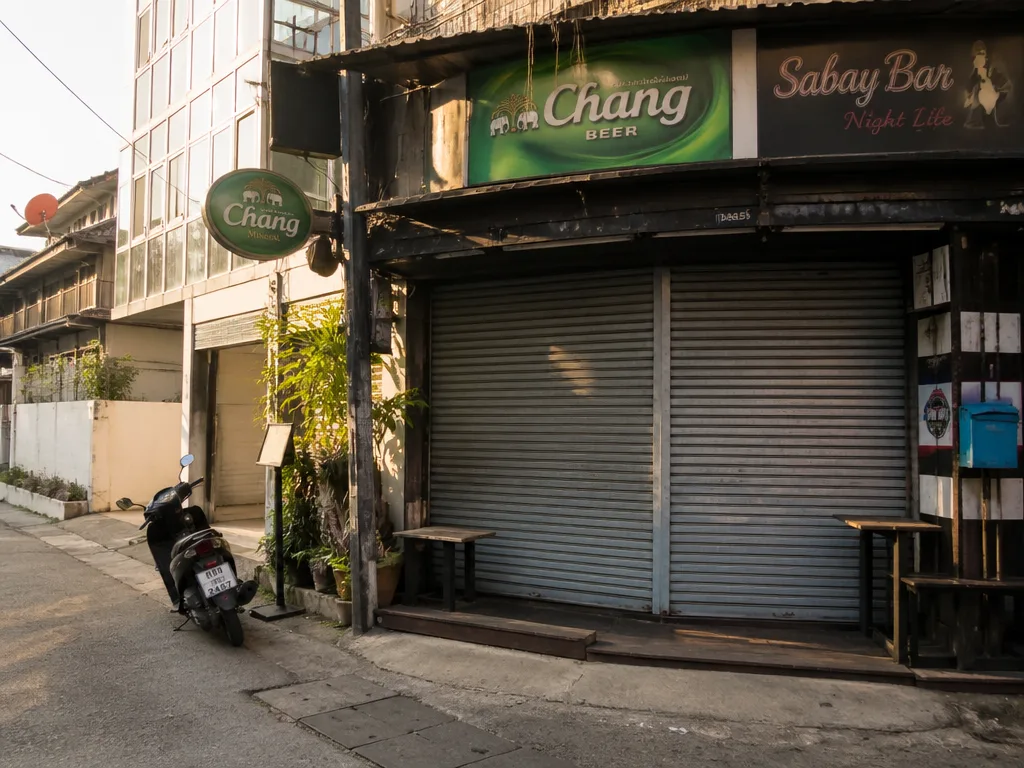
Some bars and restaurants in heavy tourist zones operate on their own informal schedule during the 2-5 PM gap. Parts of Khao San Road, Walking Street in Pattaya, and Bangla Road in Phuket may serve alcohol during the afternoon dead zone. This is not legal. It is simply tolerated to varying degrees depending on local police relationships, how tourist-dependent the area is, and the current political climate around enforcement. Do not assume this will always work. Crackdowns happen, especially around Buddhist holidays and after high-profile incidents.
Restaurants Where You Are Eating
A non-trivial number of restaurants, particularly sit-down places serving tourists, will bring you a beer during the 2-5 PM gap if you are ordering food. Some will serve it in a coffee mug or a teapot to be discreet. Others just bring it normally. This is technically illegal, but the enforcement priority is overwhelmingly directed at retail stores, not at a restaurant serving a beer with someone’s pad thai. That said, this is establishment-specific. Do not argue with a restaurant that declines. They are following the law.
The Stock-Up Strategy
Experienced visitors in Thailand develop an autopilot habit: buy your beer before 2 PM. If you know you want a lazy afternoon in the hotel or by the pool, hit 7-Eleven before the window closes and stock your room fridge. This is completely legal. The restriction is on sales, not on consumption. Drinking a beer on your balcony at 3 PM that you purchased at 1:45 PM is perfectly fine.
TIP
Buy your afternoon drinks before 2 PM. Set a phone alarm for 1:45 PM during your first few days until it becomes habit. The restriction is on sales, not consumption.
Buddhist Holidays, Much Harder
The gray areas shrink dramatically on Buddhist holidays. Most places that quietly serve during the afternoon gap will not risk it on Visakha Bucha. Some hotel bars for registered guests remain the only realistic option, and even that depends on the specific property. The safest strategy is to check the holiday calendar before your trip and stock up the night before. If you are planning your trip timing, be aware that Buddhist holidays cluster around May and July.
Recent Legal Changes and Ongoing Debates
Thailand’s alcohol laws are not static. Several significant developments have shaped the landscape from 2023 through 2025.
The 2-5 PM Ban Debate
There has been sustained political discussion about abolishing or modifying the afternoon sales ban, particularly for designated tourism zones. The Tourism Authority of Thailand and several industry groups have argued that the restriction confuses international visitors and drives revenue to hotels (which serve anyway) at the expense of small restaurants and bars. As of early 2026, no legislative change has been enacted, but the debate is ongoing and the next government shake-up could shift the calculus.
Alcohol Advertising Crackdowns
Thailand’s alcohol advertising laws are among the strictest in the world, and they are getting stricter. Under the 2008 Alcohol Control Act, any communication that directly or indirectly encourages alcohol consumption can be prosecuted. This has been interpreted broadly, social media posts showing alcohol brand logos, influencers holding branded drinks, and even restaurant check-in posts that prominently feature alcohol bottles have resulted in fines and legal action. If you are a content creator, be aware that posting images of Thai alcohol brands on social media while geotagged in Thailand can technically draw scrutiny. Enforcement is selective but real.
The Craft Beer Struggle
Thailand’s craft beer scene has grown significantly, but it operates in a difficult regulatory environment. The Excise Act requires brewery licenses that are prohibitively expensive for small producers, the minimum production capacity requirement effectively blocks microbreweries. Many Thai craft beer brands brew in other countries (commonly Cambodia or Vietnam) and import back into Thailand. The legal and tax structure heavily favors large producers like Boon Rawd (Singha, Leo) and Thai Beverage (Chang). There is an active movement to reform these laws, but powerful industry interests have slowed progress.
Online Alcohol Sales
Ordering alcohol through delivery apps like GrabFood, Foodpanda, or LINE MAN is technically illegal in Thailand. The same time restrictions apply, and the legal framework around online/delivery alcohol sales is murky. Some restaurants include alcohol in their delivery menus during legal hours, but this operates in a gray area. Do not expect to solve the 2-5 PM problem with a delivery app.
Penalties
The consequences for violating Thailand’s alcohol laws are real, though enforcement weight falls overwhelmingly on sellers rather than buyers.
| Violation | Penalty |
|---|---|
| Selling alcohol during banned hours | Fine up to 10,000 THB and/or up to 6 months imprisonment |
| Selling alcohol on Buddhist holidays | Same as above, with stricter enforcement |
| Drinking in prohibited areas (temples, some parks) | Fine up to 500 THB |
| Public intoxication causing disturbance | Fine under public nuisance statutes |
| Alcohol advertising violations | Fine 50,000-500,000 THB and/or up to 1 year imprisonment |
As a tourist, you are extremely unlikely to face legal trouble for buying alcohol. The legal exposure is on the seller. But being visibly drunk in a culturally sensitive area, near a temple, during a Buddhist holiday, is disrespectful in a way that goes beyond the legal fine. Read the Royal Family Etiquette Guide for context on how seriously Thailand treats cultural respect. The underlying principle is the same: Thai society has specific boundaries, and visitors who honor them are received warmly.
Thai Drinking Culture: Context Behind the Laws
Understanding how Thais drink makes the laws make more sense.
When Thais drink, they drink seriously. Thailand consistently ranks among the top alcohol-consuming nations in Asia. The dominant beverages are beer, Chang, Leo, and Singha are the big three, with Leo outselling the others domestically, and Thai whisky, particularly Sangsom and Hong Thong, which are technically rum-based spirits but universally called whisky.

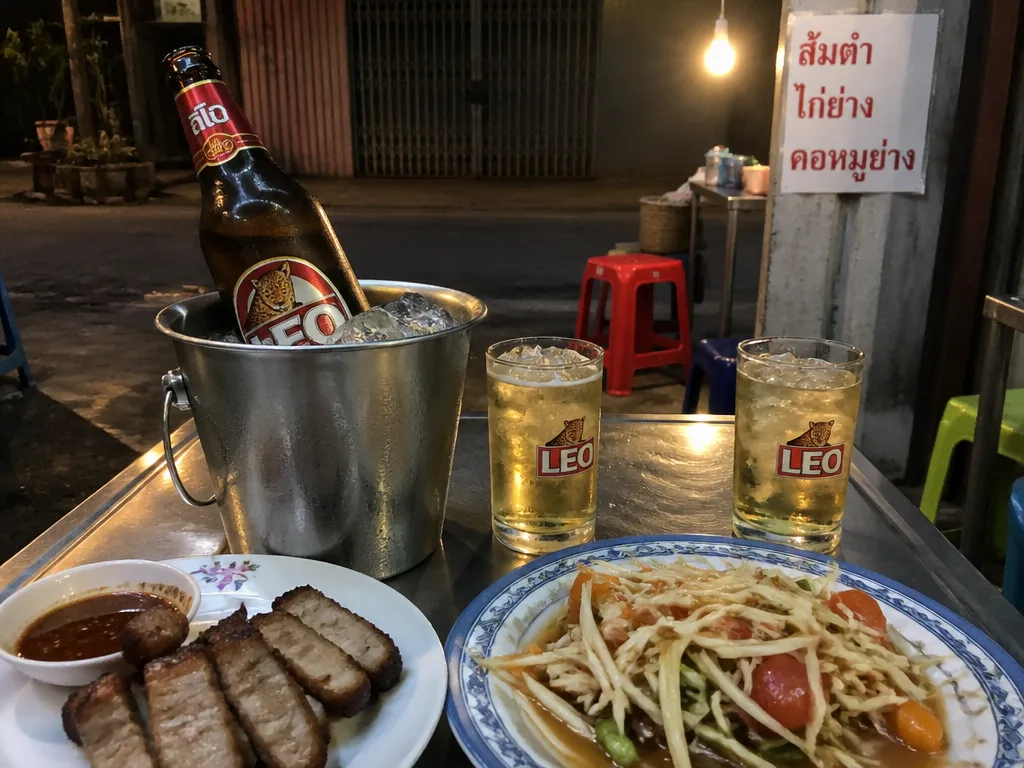
The social drinking format is distinctive. Groups gather at a restaurant or outdoor table, order a bottle of Sangsom or Hong Thong, a bucket of ice, and soda water or Coke as mixers. The bottle sits in the center and everyone pours for each other. This is not cocktail culture. It is communal, generous, and structured around sharing. You pour for the person next to you, not for yourself. “Cheers” is chon gaeo (ชนแก้ว), literally “clink glass,” and you will hear it constantly.
Beer is served with ice. This is not strange, it is practical. The average daytime temperature in Bangkok is 33-35 degrees Celsius. Beer warms up in minutes. Ice keeps it cold. Every restaurant has an ice bucket. Every 7-Eleven sells bags of ice. Once you try it, you will probably never go back.
The flip side of this drinking culture is real. Alcoholism is a significant social issue in Thailand. Alcohol-related domestic violence, traffic fatalities, and health problems are well-documented and widely discussed in Thai media. The laws restricting sales hours and banning alcohol on religious holidays are a genuine public health response to a genuine problem. They are not the product of prudishness or arbitrary bureaucracy. When you hear a Thai person say the laws are a good thing, they probably know someone whose life has been affected by alcohol abuse.
Knowing a few basic Thai phrases around drinking, particularly how to politely decline, is useful. “Mai ao khrap/ka” (ไม่เอาครับ/ค่ะ, no thank you) and “phom/chan mai gin lao” (ผม/ฉันไม่กินเหล้า, I don’t drink alcohol) are good to know, particularly if you are in a social setting where Thai friends are pouring aggressively.
Practical Cheat Sheet
For quick reference, here is what matters most for your trip.
| Situation | What to Do |
|---|---|
| Want a beer between 2-5 PM | Buy before 2 PM and drink in your room, or try your hotel bar |
| Buddhist holiday coming up | Stock up the night before, it is a full 24-hour ban |
| Election day announced | Same as Buddhist holiday, stock up in advance |
| Want to drink at a restaurant during banned hours | Some tourist-area restaurants will serve. Do not push it if they decline |
| Late-night craving after midnight | Your hotel minibar, or wait until 11 AM |
| Planning nightlife | Most bars open by 6-7 PM. Closing time varies, 1-2 AM is typical, later in entertainment zones. Check our Bangkok nightlife guide |
These laws are part of the texture of traveling in Thailand. They are a minor inconvenience once you understand them, and a baffling roadblock if you do not. Plan around them, respect the Buddhist holidays, and remember that the three-hour afternoon gap is actually a pretty good excuse to get a Thai massage or explore a temple instead. Not everything in Thailand needs to involve a beer, even if the heat makes it feel that way.
Watch your bill carefully in nightlife areas, scams targeting tourists often involve inflated bar tabs, and understanding normal pricing helps you spot them. And when you do finally sit down with a cold Leo at 5:01 PM, remember to tip appropriately. The bartender who just served you has been turning people away for three hours.