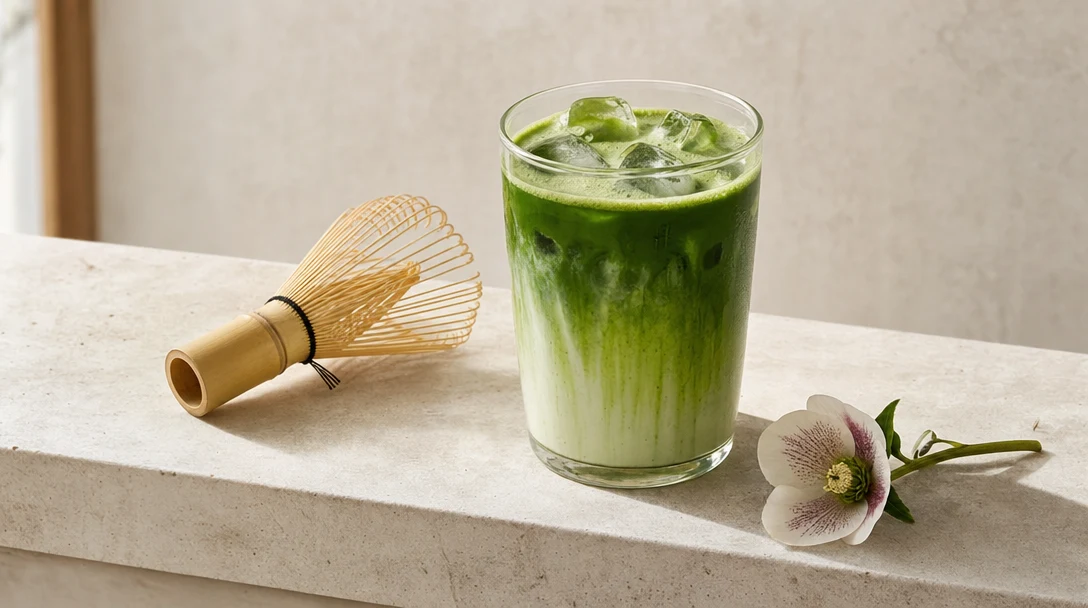
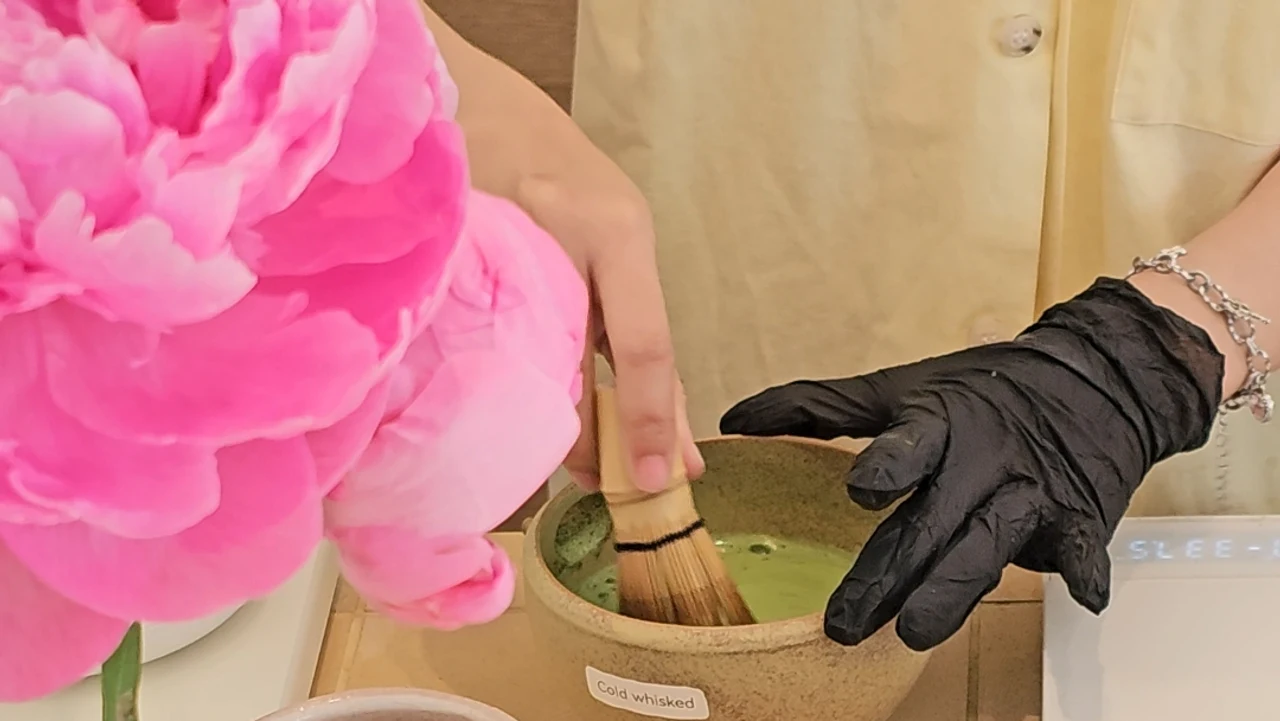
Chiang Mai’s cafe scene exploded around 2015 and hasn’t stopped. The city now has an estimated 1,500+ cafes, more per capita than most Australian cities. The catalyst was a collision of cheap rent, Thailand’s growing specialty coffee industry (northern Thailand grows excellent arabica), and the digital nomad wave that needed WiFi and tables.
The result: you can’t walk 200 meters in the Old City or Nimmanhaemin without passing a cafe. The problem: 80% are Instagram-bait. Beautiful spaces with mediocre coffee, unreliable WiFi, and a two-hour seat limit that defeats the purpose. Here are the 12 that actually deliver, organized by what you need.
For the Coffee (Specialty Roasters)
Ristr8to Lab
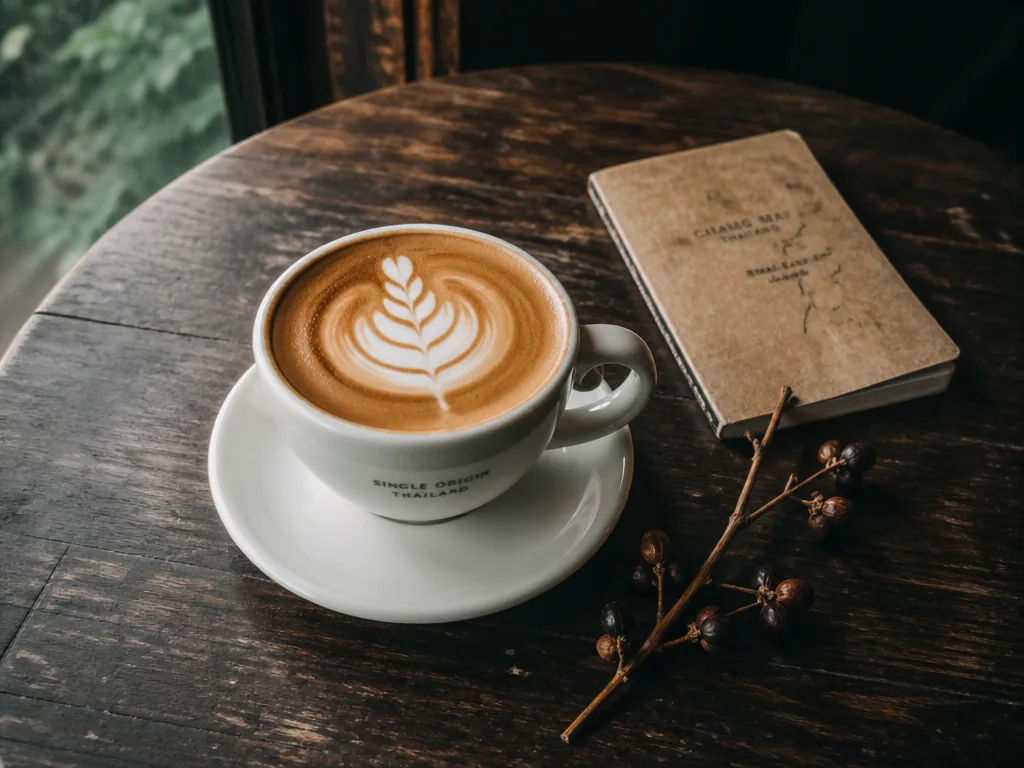
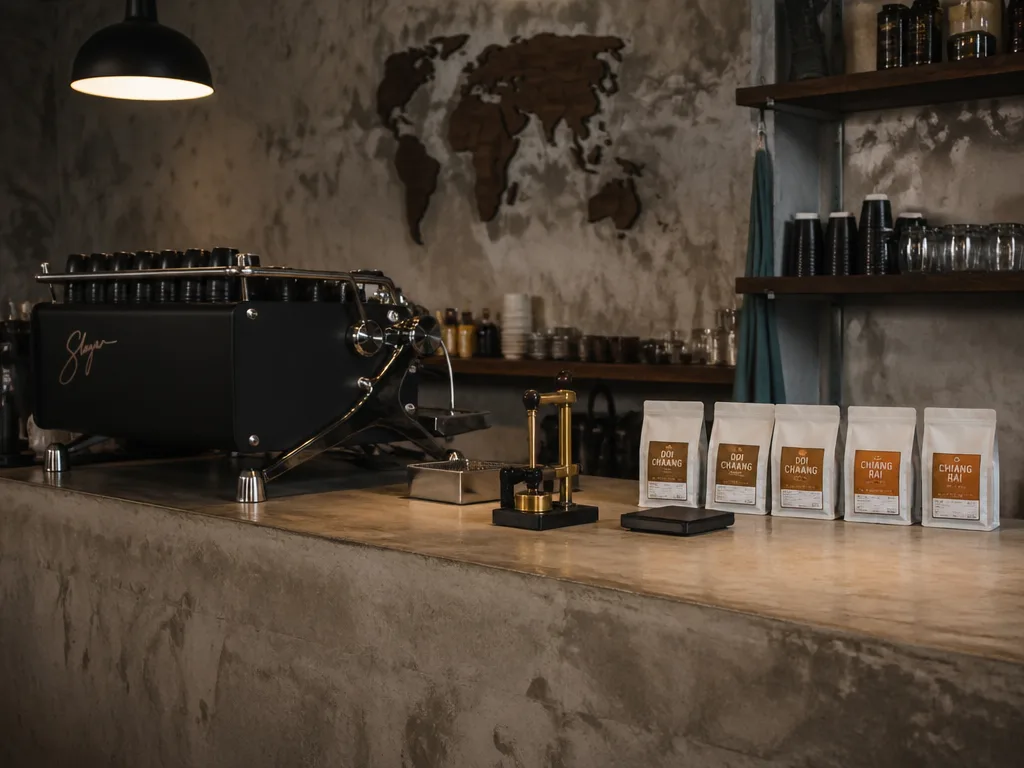
The flagship. Arnon Thitiprasert, multiple-time world latte art champion, runs Ristr8to, and the Lab is the serious version. Single-origin Thai beans from Chiang Rai and Doi Chaang, roasted in-house, pulled on a Slayer espresso machine. This is world-class specialty coffee by any standard.
Coffee: ฿120–200. Worth it. Food: Minimal. Pastries and light snacks. WiFi/Work: Not ideal for long sessions. Small space, no explicit work policy. Location: Nimmanhaemin Soi 3. Best for: Coffee pilgrimage, not remote work.
Akha Ama Coffee
Founded by Lee Ayu Chuepa, a member of the Akha hill tribe who grew up picking coffee in Chiang Rai’s mountains, then studied coffee science and returned to build a brand. Akha Ama sources directly from Akha communities, paying above-market prices. The coffee is excellent. Clean, bright, distinctly northern Thai.
Coffee: ฿80–150. One of the best value-to-quality ratios in Chiang Mai. Food: Simple. Cakes, banana bread. WiFi/Work: The Nimmanhaemin branch has decent space. The Old City original is tiny. Location: Two branches. Hussadhisawee Road (Old City original) and Nimmanhaemin. Best for: Ethically sourced Thai coffee, supporting hill tribe communities.
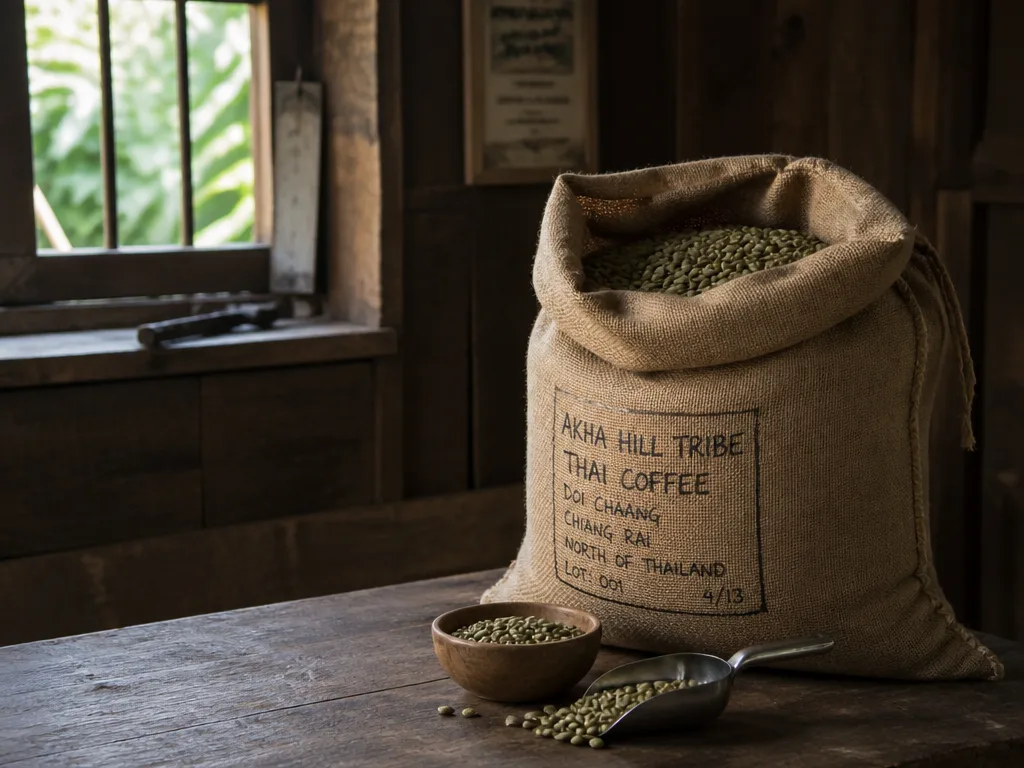
Roast8ry Lab
A roastery-cafe on the east side of the Old City. The beans are roasted on-site in a glass-walled roasting room. They work with farms in Chiang Rai, Doi Chaang, and Mae Hong Son. The brew bar offers V60, AeroPress, and cold drip alongside espresso.
Coffee: ฿90–160. Food: Solid brunch menu. Eggs, toast, grain bowls. WiFi/Work: Good for a 2-3 hour session. Power outlets available. Location: Kamphaeng Din Road. Best for: Coffee geeks who want to watch the roasting process.
For Remote Work (WiFi + Power + No Judgment)
CAMP at Maya Mall
The original Chiang Mai digital nomad headquarters. A co-working cafe on the 5th floor of Maya Mall, CAMP (Creative and Meeting Place) has fast WiFi, abundant power outlets, proper tables, and a don’t-bother-me atmosphere that encourages long sessions. It’s run by the Punspace co-working group.
Coffee: ฿80–150 (purchase required for seating). WiFi: Fast and reliable. Hours: 11:00–21:00 daily. Location: 5th floor, Maya Lifestyle Shopping Center, Nimmanhaemin. Best for: Full work days. The default nomad spot.
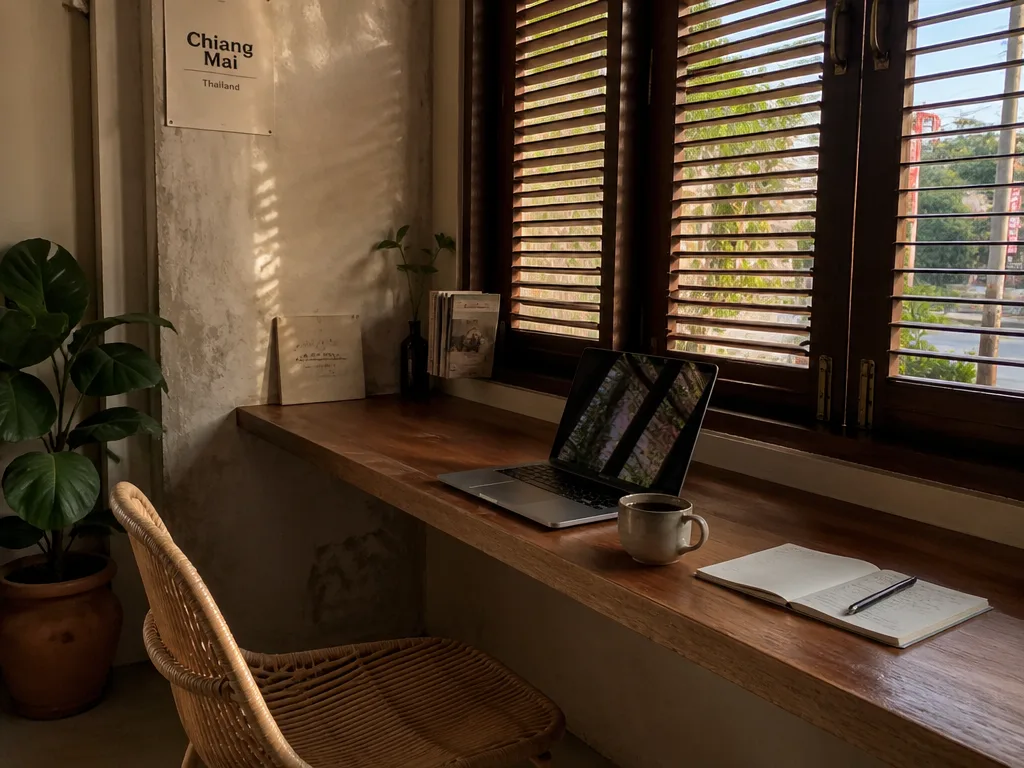
Graph Cafe (multiple locations)
A local chain with 5+ locations across Chiang Mai. Each is slightly different, but they share reliable WiFi, decent coffee, and a work-friendly atmosphere. The Nimmanhaemin and Tha Phae branches are the most popular with remote workers.
Coffee: ฿80–120. WiFi: Consistent. Location: Multiple. Nimmanhaemin, Tha Phae Gate, Santitham. Best for: When you need a reliable workspace near wherever you are.
Punspace Co-Working
Not technically a cafe, but worth mentioning. Punspace is Chiang Mai’s longest-running co-working space, with two locations (Nimmanhaemin and Tha Phae Gate). Day pass ฿350, includes fast WiFi, desks, meeting rooms, free coffee, and a community of remote workers.
Best for: Serious work days. Better infrastructure than any cafe.
For more on Chiang Mai’s digital nomad infrastructure, see our digital nomad guide.
For the Atmosphere
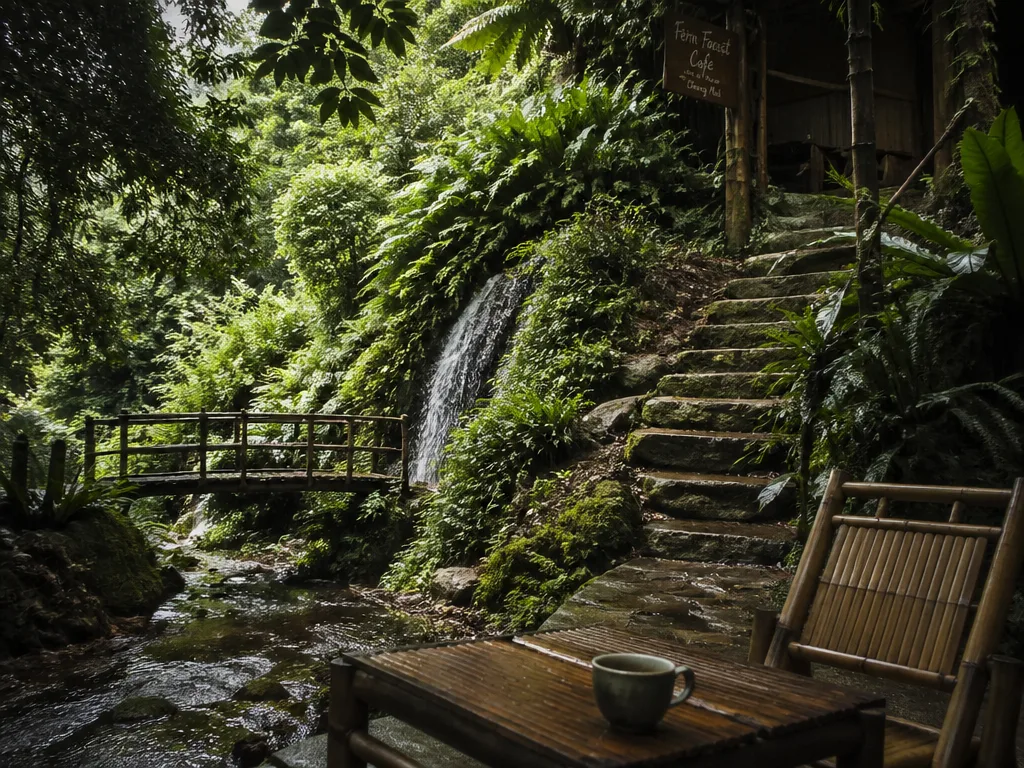
Fern Forest Cafe
A jungle cafe on the outskirts of the city, literally built into a fern-covered hillside with waterfalls, streams, and bridges. It’s aggressively Instagrammable but the coffee (local beans) is decent and the natural cooling from the ferns and water makes it one of the few cafes where you forget you’re in a tropical city.
Coffee: ฿100–180. Food: Thai and Western menu. WiFi: Exists but slow. Not for work. Location: Mae Rim district, 30 minutes north. Grab or scooter. Best for: Weekend afternoon escape. Photos.
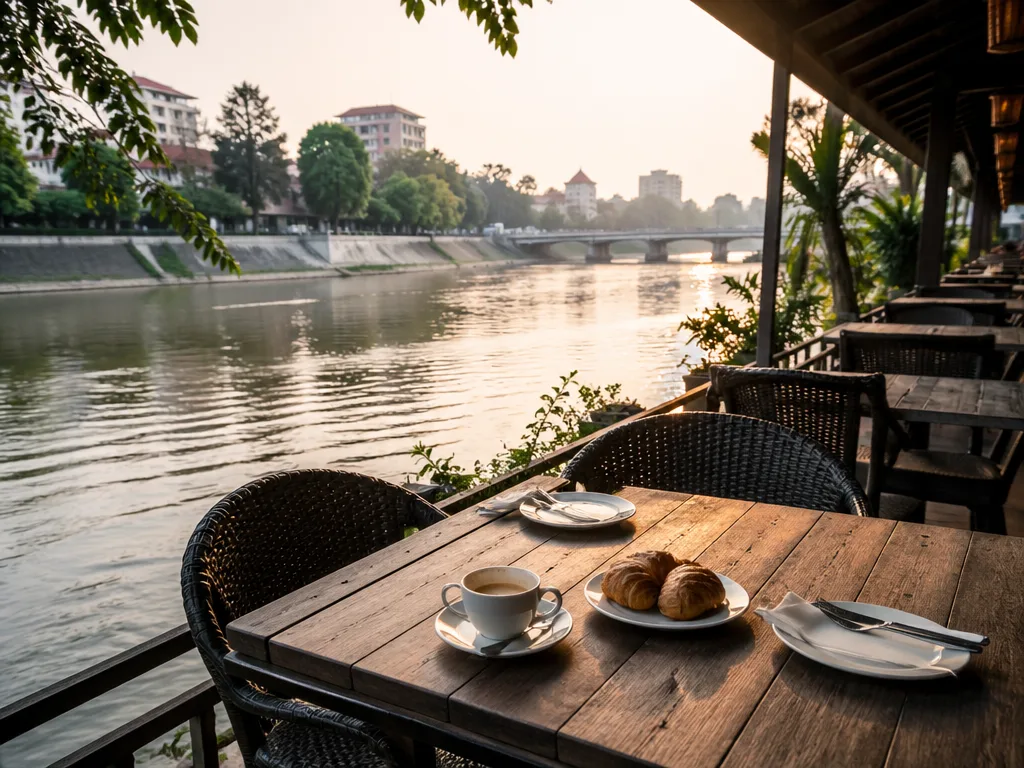
Barisotel by the Ping
A boutique hotel-cafe on the Ping River with a riverside terrace, white-and-wood interiors, and genuinely good coffee. The brunch menu is one of the best in the city. The terrace seats fill up on weekends. Arrive before 10:00 AM.
Coffee: ฿90–150. Food: Excellent brunch. Avocado toast, eggs benedict, pastries. ฿150–350. WiFi: Decent. Location: Charoen Rat Road, along the Ping River. Best for: Weekend brunch, riverside morning.
The Barn: Eatery Design
Industrial-chic cafe in Nimmanhaemin with high ceilings, reclaimed wood, and a bakery counter. The design is the draw. It’s one of the most photographed interiors in the city. Coffee is competent (not exceptional), and the baked goods are excellent.
Coffee: ฿100–160. Food: Pastries, cakes, light meals. Location: Nimmanhaemin Soi 9. Best for: Design lovers, pastry with coffee.
For Thai Coffee Culture
Wawee Coffee
Chiang Mai’s homegrown coffee chain. Started in 1988, before the specialty wave, sourcing from hill tribes in Chiang Rai. Multiple locations across the city. Not cutting-edge specialty, but solid northern Thai coffee at fair prices. The Tha Phae Gate branch has a pleasant garden.
Coffee: ฿50–100. Food: Thai pastries, drinks. Best for: Authentic northern Thai coffee brand, not just another Australian-style specialty cafe.
Doi Chaang Coffee
Another northern Thai brand, this one from the Doi Chaang region: a community-owned coffee project by the Akha and Lisu hill tribes. The coffee is grown at 1,200+ meters altitude. Good but not as refined as Akha Ama or Ristr8to. The appeal is the community story and the regional identity.
Coffee: ฿60–120. Location: Multiple branches. Best for: Supporting community coffee projects.
Local Market Coffee (Various)
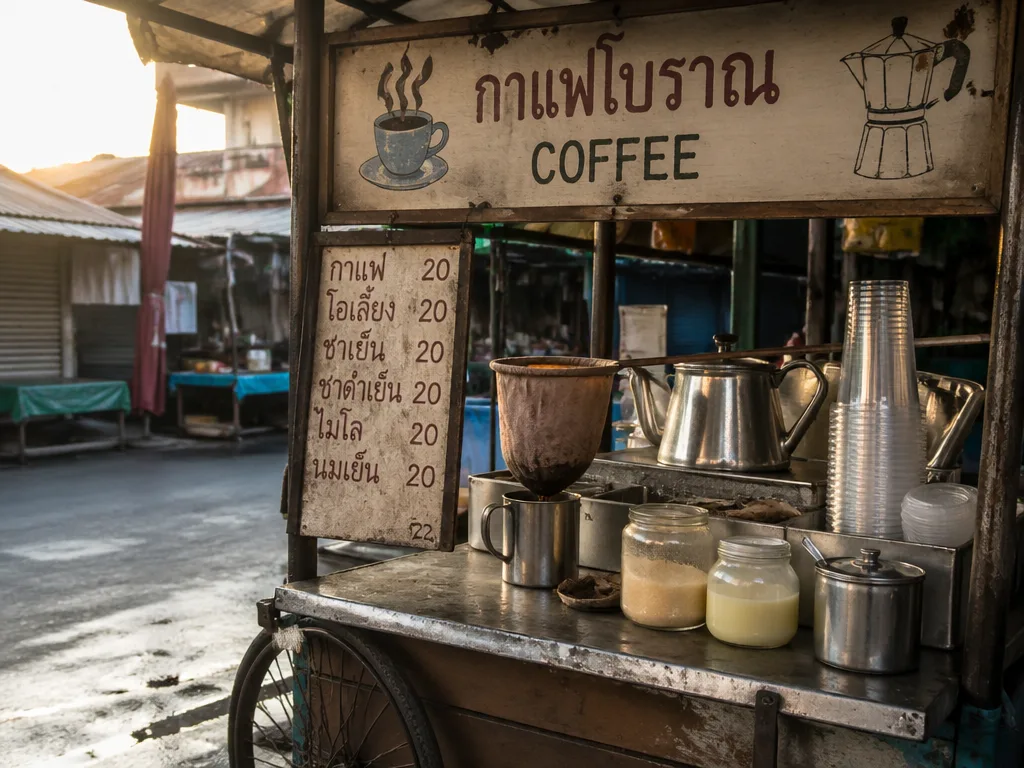
For the cheapest good coffee in Chiang Mai, look for the coffee carts at morning markets. Warorot Market, Thanin Market, Somphet Market. Thai-style coffee (iced, with condensed milk) for ฿25–40. Not specialty, but deeply satisfying and part of the daily rhythm that 99% of cafe-hopping tourists miss.
The Northern Thai Coffee Story
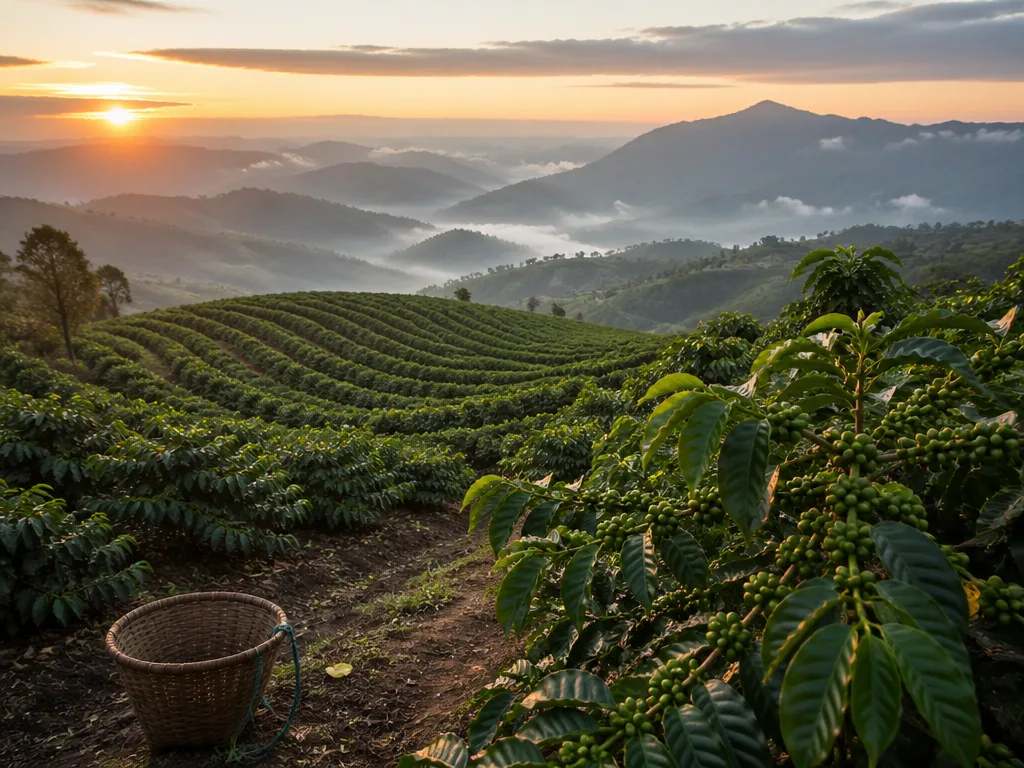
Northern Thailand, including Chiang Rai, Chiang Mai highlands, and Mae Hong Son, grows some of Asia’s best arabica. The coffee belt sits at 800–1,400 meters altitude, with volcanic soil and cool nights. Historically, these mountains grew opium poppies; the Royal Project under King Rama IX converted thousands of hectares to coffee, tea, and macadamia cultivation. Today, Thai specialty coffee competes internationally, and Chiang Mai is the tasting room.
When you order “Thai single-origin” at a Chiang Mai cafe, you’re drinking beans grown 2–3 hours away. That farm-to-cup proximity is something you won’t find in Melbourne, Tokyo, or Berlin.
Cafe Etiquette in Chiang Mai
- Minimum purchase: Most cafes expect a drink order per person. Some enforce it, some don’t.
- Seat limits: Popular cafes during peak hours may limit seating to 2 hours. Check for signs.
- Laptops: Universally accepted at work-friendly cafes. At small specialty cafes, use judgment. If there are 8 seats and you’re hogging one for 4 hours, it’s not great.
- Photography: Expected and tolerated. Just don’t move furniture or block service areas for your shot.
Pair Cafes With Temples
Chiang Mai’s temple loop is a morning activity by design — the light is better, the air is cooler, and most monasteries empty out by 11 AM. The smart play is to pin one cafe near each temple cluster and treat the morning as a temple-cafe rotation rather than a forced march. The Chiang Mai temple guide ranks Wat Phra Singh, Wat Chedi Luang, Wat Suan Dok, and Doi Suthep with realistic time slots, dress code, and the closest worth-sitting-in cafe to each — Akha Ama for the Old City temples, Ristr8to for Suthep on the way down.
Further Reading
- Chiang Mai food guide: Khao soi, restaurants, street food
- Chiang Mai digital nomad guide: Co-working, visas, cost of living
- Chiang Mai Old City guide: Orientation and logistics
- Chiang Mai nightlife: After the cafe closes
- Bangkok cafe scene: The capital comparison