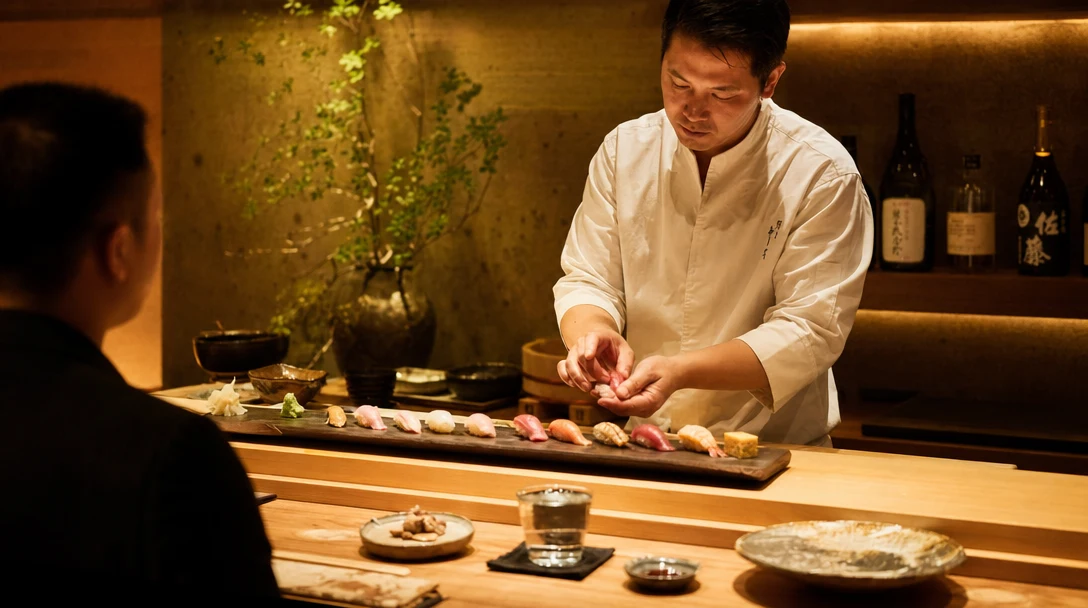
Bangkok wasn’t supposed to become a serious omakase destination. That happened anyway. Over the past five years, a wave of Japanese chefs (some trained in Tokyo’s three-star houses, some recruited specifically to open Bangkok outposts) has built something genuinely impressive. The city now has thirty or more omakase counters, ranging from casual 2,000-THB lunch sets to full-ceremony 10-course dinners pushing 10,000 THB.
Here’s what makes Bangkok worth taking seriously: the pricing. The same quality that costs 30,000 to 40,000 JPY (roughly 7,000 to 9,000 THB) in Tokyo runs 4,000 to 6,000 THB here. Ingredients are imported directly from Tsukiji, Toyosu, and Hokkaido. Labor costs are lower. Real estate is lower. The math works out in your favor.
I’ve eaten at most of the counters worth knowing in Bangkok. Here are the eight I’d actually go back to.
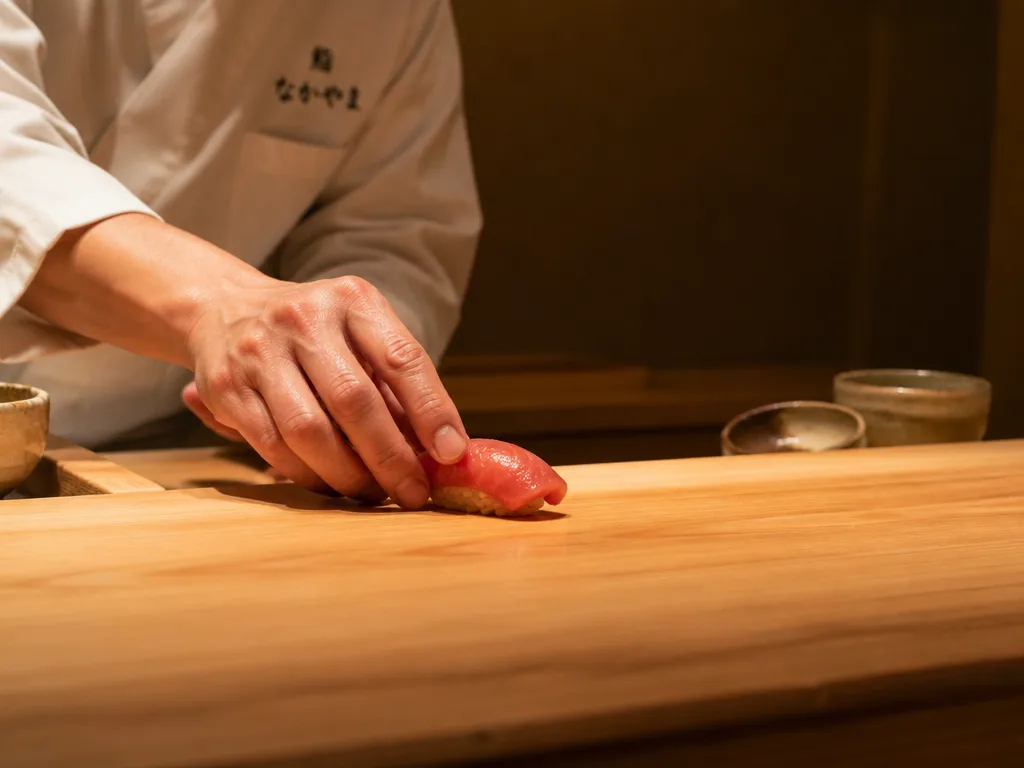
Why Bangkok for Omakase?
The natural question is: why come to Bangkok for Japanese food rather than just going to Japan? A few reasons that matter:
Price: A meal at the level of Sushi Masato or Sushi Saito in Bangkok runs 5,500 to 9,000 THB per person. The Tokyo equivalent (same chef pedigree, same fish sourcing) typically starts at 30,000 JPY for serious one-star houses and climbs from there. Bangkok wins on price by a significant margin.
Access: Many Tokyo omakase counters have 3 to 6 month waiting lists. The serious Bangkok counters are bookable 2 to 4 weeks out for most nights. A few you can call the day before.
Fish quality: This is the honest counterargument to Bangkok. Japan has better domestic sourcing. The best toro, the best uni, the best premium catch comes from Japanese waters and goes to Japanese markets first. Bangkok gets it airfreighted, usually two to three times a week. The fish is excellent. It is not the same as sitting 200 meters from Toyosu.
Creativity: Some of Bangkok’s best counters are doing fusion that works: Japanese technique applied to Thai seafood, regional Thai ingredients in kaiseki-style courses. This isn’t available in Tokyo at all.
TIP
For the best value, book the lunch omakase when available. Most counters run a shorter 6-to-8-course lunch set at 40 to 60% of the dinner price, using the same quality fish.
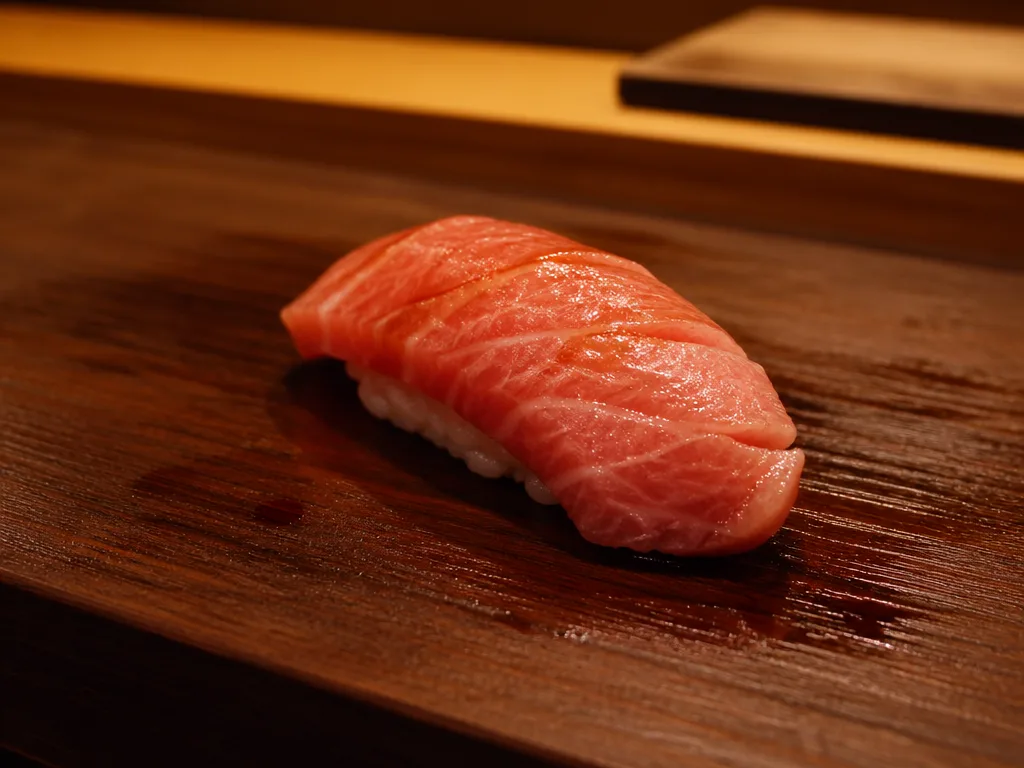
The 8 Counters
1. Sushi Masato — The Gold Standard (Sukhumvit 31)
If you’re choosing one counter and budget isn’t a constraint, this is it. Chef Masato Shimizu earned a Michelin star in New York at Jewel Bako and 15 East before moving to Bangkok with his Thai-Japanese wife. He picked up a Bangkok Michelin star in 2021 and the technical execution here remains as precise as anything I’ve eaten in Tokyo’s mid-tier houses.
The space is intimate: 10 seats at a hinoki counter, hidden behind a nondescript entrance on a Sukhumvit side street. No music. No background noise. Just the chef, the fish, and the interaction between the two.
The dinner menu runs around 20 courses, strictly Edo-mae style. Highlights change with sourcing — fish flown from Toyosu — but the chutoro and otoro progression is consistently excellent, and the closing tamagoyaki is one of the most refined I’ve had outside Japan.
Price: 5,500 to 7,000 THB per person (dinner) | shorter lunch sets when offered Location: Soi Sawasdee 1 (off Sukhumvit Soi 31), near BTS Phrom Phong Reservations: Through the official Sushi Masato website or Line; book 3 to 4 weeks ahead for weekends Dress code: Smart casual. The vibe is serious but not stuffy.
2. Sushi Saryu — The Quiet Connoisseur Pick (Sathorn)
Sushi Saryu sits inside the Kronos Building in Sathorn and runs a single 6-seat seating per night. Chef Seiji Sudo trained 10 years in Japan, then ran sushi counters at Ginza Sushi Ichi Singapore and Ginza Onodera before opening Saryu solo. This is the counter Bangkok food obsessives book when they want a near-private omakase experience without the hotel overhead.
The 15-course menu uses Toyosu fish flown in twice a week. The rice is hand-mixed with three vinegars per service. Six seats means the chef can talk through every piece if you want him to, or hold respectful silence if you don’t.
Price: Around 8,000 THB per person (dinner only) Location: Kronos Sathorn Building, Sathon Road Reservations: Via Saryu’s website or Instagram DM; one seating at 6PM, closed Monday
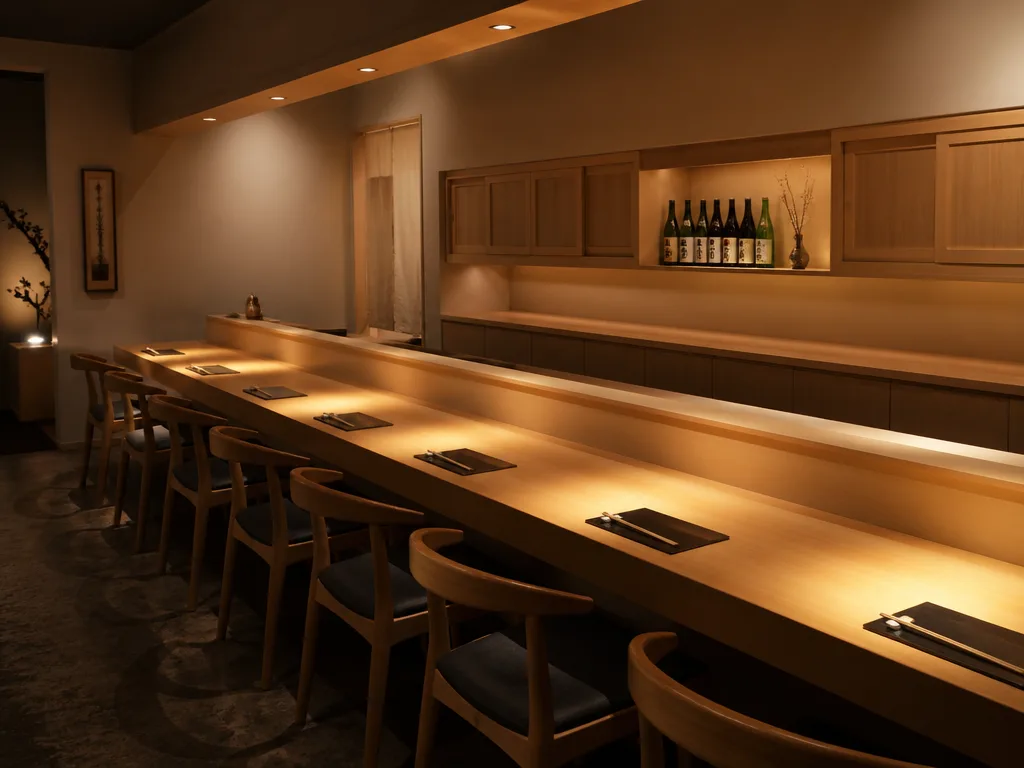
3. Sushi Saito — Tokyo Three-Star Lineage at Four Seasons (Riverside)
Sushi Saito’s Tokyo flagship holds three Michelin stars and a famously unbookable reservation list. The Bangkok satellite, inside the Four Seasons at Chao Phraya River, is the closest most travelers will get to that lineage. Edo-period technique, Akita rice cooked precisely for temperature and moisture, fish from Toyosu several times a week. The Bangkok branch holds one Michelin star in the 2026 guide.
This is the most ceremonial counter on the list. The hinoki bar faces an open kitchen, the lighting is calibrated for the food, and the staff treats omakase as a discipline rather than a meal. If you’ve eaten at Saito Tokyo and want to compare, this is the right pilgrimage.
Price: 6,500 to 9,000 THB per person (dinner) Location: Four Seasons Hotel Bangkok at Chao Phraya River, Charoen Krung Reservations: Via the Four Seasons website or hotel concierge; book 3 weeks ahead
4. Akira Back Bangkok — When Fusion Actually Works (Marriott Marquis Queen’s Park)
Akira Back is not a traditional omakase. Korean-American chef Akira Back does contemporary Japanese with Korean influences, and the tasting menu here is one of the more creative meals in Bangkok. The 37th-floor space at the Marriott Marquis Queen’s Park has floor-to-ceiling windows over the Sukhumvit skyline.
Expect courses like hamachi with jalapeño, wagyu with kimchi butter, and the chef’s signature Tuna Pizza — playful presentations that wouldn’t exist in a traditional Japanese house. The flavor combinations are confident, not gimmicky.
This is the counter for someone who finds pure traditional omakase slightly austere. If you want technical precision combined with personality and flavor impact, Akira Back delivers it.
Price: 4,500 to 6,500 THB per person Location: Bangkok Marriott Marquis Queen’s Park, 37F, Sukhumvit Soi 22 Reservations: Via the restaurant website or hotel concierge; usually available with one week’s notice
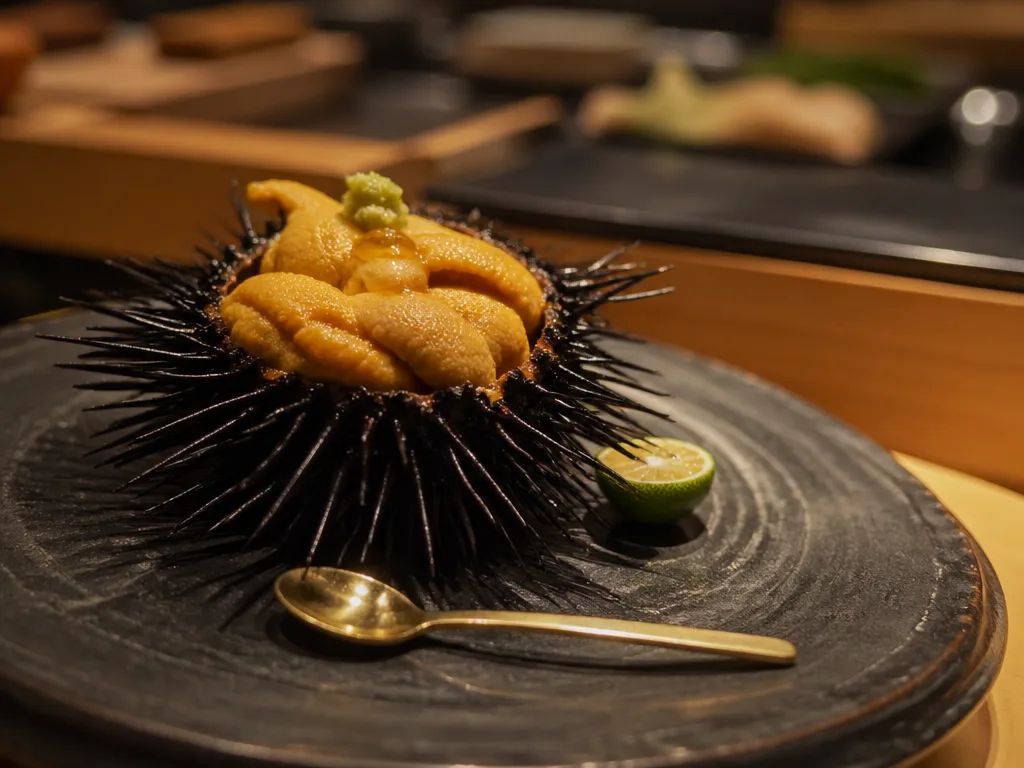
5. Ginza Sushi Ichi — One Michelin Star, Mall-Floor Convenience (Erawan)
Ginza Sushi Ichi is the Bangkok branch of the Tokyo Ginza institution, sitting on the lower-ground floor of the Erawan Bangkok mall (connected to Grand Hyatt Erawan). It has held one Michelin star in the Bangkok guide for multiple consecutive years.
The format is classic ten-seat hinoki counter, two dining rooms run in parallel, fish sourced from Tokyo. The location inside a mall is unusual but stops mattering as soon as the first course arrives — the room itself is calm, soundproofed, and lit only for the food. This is the counter to book if you’re staying somewhere central (Phloen Chit, Chidlom, Ratchaprasong) and don’t want to taxi across the city for dinner.
Price: 5,500 to 8,500 THB per person (dinner) | 3,500 to 4,500 THB lunch sets Location: Erawan Bangkok mall, LG floor, Ploenchit Road Reservations: Phone or via Chope; book 2 to 3 weeks ahead
6. Sushi Yorokobu — Thonglor’s Edomae Counter (Thonglor Soi 10)
In the heart of Bangkok’s Japanese expat neighborhood, Sushi Yorokobu runs a 12-seat counter with Chef Tango Lai (20+ years’ experience, named “Best of the Best Master Chef” in Hong Kong in 2022 and 2023). The fish is from Toyosu, the menu changes monthly, and the format runs from a 12-course introductory set to a longer connoisseur omakase.
The room is more relaxed than Masato or Saito — proper omakase service but without ceremony so heavy that conversation feels rude. Good for a first omakase, or for regulars who want a counter close to Thonglor hotels and bars.
Price: 2,900 THB (introductory) | 3,900 THB (mid) | 6,900 THB (premium) per person Location: Thonglor Soi 10, near BTS Thong Lo Reservations: Via Yorokobu’s website; book 1 to 2 weeks ahead
7. Yu Ting Yuan — Chinese Omakase at Four Seasons (Riverside)
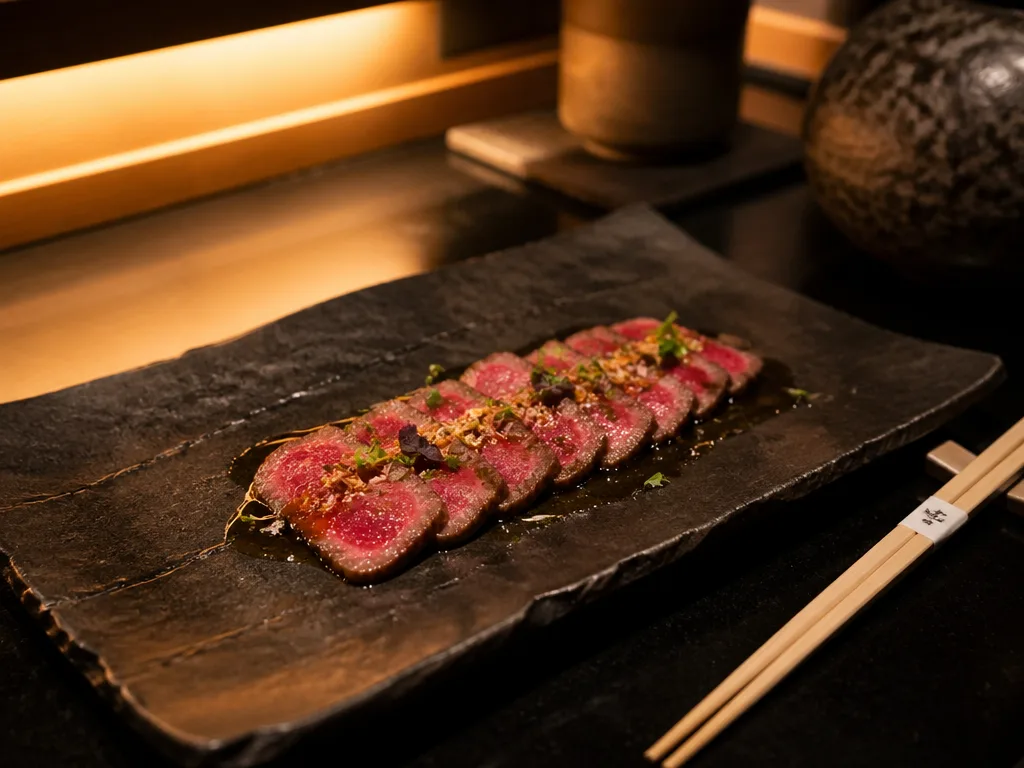
This is the one counter on this list that isn’t Japanese. Yu Ting Yuan at the Four Seasons Hotel Bangkok at Chao Phraya River does a chef’s selection format across Cantonese cuisine — currently the only one Michelin star Cantonese restaurant in Thailand, helmed by Chef Tommy Cheung (formerly of two-Michelin-star Yan Toh Heen in Hong Kong and Ya Ge in Taipei).
Why it belongs here: the quality ceiling and the approach are analogous. Counter and table seating both watching an open show kitchen, seasonal ingredients, a fixed progression of courses including hand-folded dim sum, signature barbecue, and Peking duck. The Four Seasons sourcing channels mean ingredients like hand-harvested snow chrysanthemum and Hokkaido pork.
Good pairing if you’re spending a few nights at the Four Seasons or simply want to extend a fine dining streak beyond Japanese. Sister property to Sushi Saito, so the two together can anchor a serious one-night riverside food itinerary.
Price: 3,500 to 5,500 THB per person Location: Four Seasons Hotel Bangkok at Chao Phraya River, Charoen Krung Reservations: Via the Four Seasons website or OpenTable; book 2 weeks ahead for weekend evenings
8. Sushi Hiro — The Reliable Mid-Tier (Multiple Branches)
Sushi Hiro has been operating in Bangkok long enough — multiple branches across the city, including a dedicated omakase counter at Eight Thonglor and a flagship at the Shoppes Grand Rama 9 — that it’s no longer trendy, which is exactly the recommendation. The regular Japanese clientele keeps standards honest.
The omakase format is shorter (8 to 13 courses) at meaningfully lower prices than the counters above. Fish is imported three times a week, the menu leans traditional Edo-mae, and the chef handles the counter without volume-operation shortcuts. Less dramatic than Masato, more reliable than somewhere newer.
This is the counter for a Tuesday-night omakase that doesn’t require three weeks of planning. Exactly what you want when you know what you want.
Price: Under 3,000 THB per person (omakase set) Location: Eight Thonglor (Sukhumvit 55) is the primary omakase counter; Shoppes Grand Rama 9 also offers omakase Reservations: Via phone or Facebook; one week ahead for dinner
Quick Reference Table
| Counter | Neighborhood | Price/Person (THB) | Vibe | Booking |
|---|---|---|---|---|
| Sushi Masato | Sukhumvit 31 | 5,500–7,000 | Ceremony, 1 Michelin star | 3-4 weeks |
| Sushi Saryu | Sathorn | ~8,000 | Six-seat private | 2-3 weeks |
| Sushi Saito | Four Seasons (riverside) | 6,500–9,000 | Tokyo lineage, 1 Michelin star | 3 weeks |
| Akira Back | Sukhumvit 22 | 4,500–6,500 | Creative fusion | 1 week |
| Ginza Sushi Ichi | Erawan/Ploenchit | 5,500–8,500 | Mall-floor, 1 Michelin star | 2-3 weeks |
| Sushi Yorokobu | Thonglor 10 | 2,900–6,900 | Relaxed formal | 1-2 weeks |
| Yu Ting Yuan | Four Seasons (riverside) | 3,500–5,500 | Cantonese, 1 Michelin star | 2 weeks |
| Sushi Hiro | Thonglor / Rama 9 | Under 3,000 | Reliable mid-tier | 1 week |
Etiquette and Practical Notes
Dress code: Smart casual is appropriate for all eight counters. Only the Four Seasons properties (Sushi Saito, Yu Ting Yuan) approach anything near formal, and even there, clean trousers and a decent shirt is sufficient. No shorts or flip-flops at the premium counters.
Arrival: Be on time. Omakase services start at a fixed time because the chef sets the pace for all seats. Being 20 minutes late disrupts everyone’s meal.
Phones: You can photograph your courses. Don’t hold up your phone for extended video during service. The chef is working.
Allergies: Declare serious allergies when booking, not when you sit down. A good omakase chef can modify their menu with sufficient notice. A last-minute allergy disclosure creates problems for the whole service.
Sake and drinks: Most counters offer sake pairing at 800 to 1,500 THB extra. It adds to the experience if you drink. Non-alcoholic pairings (yuzu soda, cold brews, sparkling water) are standard at all the counters above.
Budget Guide: Lunch vs Dinner
The most reliable way to access the top counters without the full dinner price:
- Ginza Sushi Ichi lunch: 3,500 to 4,500 THB vs 5,500 to 8,500 at dinner (same fish, shorter set)
- Sushi Yorokobu introductory: 2,900 THB for the entry-tier omakase, considerably less than the premium evening menu
- Sushi Hiro omakase: under 3,000 THB regardless of meal — the most accessible serious counter on the list
The lunch omakase format exists specifically because the chefs want to fill the seat that would otherwise sit empty. The fish was ordered for the day. You benefit.
How to Book
Line OA: Most standalone counters use Line for reservations. Search the restaurant name in the Line app and send a message in English; they’ll respond.
Phone: Still works and sometimes gets you a slot that isn’t available through other channels.
Hotel concierge: For Sushi Saito, Yu Ting Yuan (both at Four Seasons), Akira Back (Marriott Marquis Queen’s Park), and Ginza Sushi Ichi (adjacent to Grand Hyatt Erawan), the hotel concierge can sometimes book same-day when the counter is technically “full.” Use this leverage if you’re staying there.
Walk-in: Occasionally works for Sushi Hiro at lunch. Not reliable for the premium counters at dinner.
Staying Near the Best Counters
If you’re organizing a dedicated omakase trip, the Charoen Krung / Sathorn riverside corridor gets you Sushi Saito and Yu Ting Yuan in the same hotel (Four Seasons), with Sushi Saryu and Sushi Masato within a 15-minute Grab. Agoda has solid options in this corridor from boutique mid-range to proper luxury.
For transit, every counter on this list is reachable within 20 minutes from BTS Asok. The Bangkok Grab and Bolt guide is useful for late nights when the BTS has stopped running.
Before or after the counter, the Bangkok tipping guide covers whether and how much to tip in fine dining contexts; the answer is different from street food and massage.
Bottom Line
Bangkok’s omakase scene rewards knowing where to go. At the top end, Sushi Masato, Sushi Saito, and Ginza Sushi Ichi are all Michelin-starred and genuinely world-class. Not a consolation prize for not going to Japan, but a legitimate reason to add Bangkok to a food itinerary.
At the more accessible end, Sushi Yorokobu’s introductory menu and Sushi Hiro’s omakase prove that omakase doesn’t have to mean 6,000 THB minimum. You can eat well for under 3,000 THB if you know where to look.
For the city’s other food credentials, the Yaowarat Chinatown guide and the Bangkok money guide are both worth reading before you arrive. And if you’re building a broader luxury trip, pair the omakase with stays from the Bangkok luxury hotels guide; several of the best counters are inside or adjacent to the properties covered there.