You booked a single room in Bangkok. Halfway through the trip, a friend’s flight gets pushed forward and they want to join you for the last two nights. You head to the front desk to ask about adding them — and the staff quotes you an extra fee of 500–2,000 baht per night.
That charge has a name: joiner fee. It is a normal hotel policy across Thailand, not a scam, but it catches travelers off guard every week. Here is what it is, why hotels enforce it, and the simple booking habits that keep your check-in clean.
What Is a Joiner Fee?
A joiner fee is the surcharge a Bangkok hotel adds when a person who is not on the original reservation joins the registered guest in the room — whether for an afternoon, an evening, or an overnight stay.
In plain terms: your reservation is for one person, someone else wants to be in the room with you, and the hotel charges to formally add that person to the registration.
This applies in three common situations:
- A travel companion’s plans shift and they end up sharing your room mid-trip
- A family member or friend who lives in Bangkok comes by for an extended visit
- A colleague joins for a working session that runs past hotel quiet hours
Thai hotels are not unusual in having this policy. What is unusual is how rarely Western travel guides mention it, so most visitors only learn about it at the front desk.
Why Do Hotels Charge It?
The joiner fee is not arbitrary. It exists for four operational reasons that any hotel worldwide deals with — Thailand just charges for it transparently rather than burying the cost.
1. Per-person pricing logic
Most hotel room rates are technically priced per person, not per room. The displayed nightly rate usually assumes two adults sharing standard amenities (breakfast, towels, toiletries, pool access, gym access). Adding a third person increases the hotel’s per-night cost, even if the room is physically large enough to fit them.
2. Registration and security records
Thai law requires hotels to register every overnight guest with their passport on file. This is a Ministry of Interior rule, not optional. When an unregistered person stays in a room, the hotel is technically out of compliance. The joiner fee covers the administrative cost of adding the second registration and keeps the property in compliance.
3. Insurance and liability
Hotel insurance policies cover injuries, accidents, and incidents involving registered guests. An unregistered person on the property is a liability gap. Adding them to the booking, even temporarily, restores that coverage — and the fee partially funds the increased premium.
4. Amenity load
Breakfast buffets, pool towels, in-room water, and housekeeping supplies are budgeted per registered guest. A second person doubles consumption on those line items.
Typical Joiner Fee Range in 2026
The amount varies widely by hotel category. The ranges below are based on what Bangkok hotels actually quoted in early 2026:
| Hotel category | Joiner fee (per night) |
|---|---|
| Budget guesthouse / hostel private room | 300–500 THB |
| Mid-range 3-star hotel | 500–1,000 THB |
| Upper mid-range / 4-star | 1,000–1,500 THB |
| Upscale 5-star | 2,000–3,000 THB |
| Luxury 5-star (Mandarin Oriental tier) | Often waived for short visits; 3,000+ for overnight |
| Serviced apartments | Often no fee — see below |
At today’s exchange rate (1 THB ≈ 0.029 USD), that runs roughly $9 to $90 per night depending on tier.
Some properties also offer day-use rates that are cheaper than the overnight joiner fee, which can be the right choice if your guest only plans to spend a few hours.
How to Avoid the Joiner Fee Cleanly
The cleanest fix is also the simplest: build the second person into the reservation from the start. A few habits remove friction.
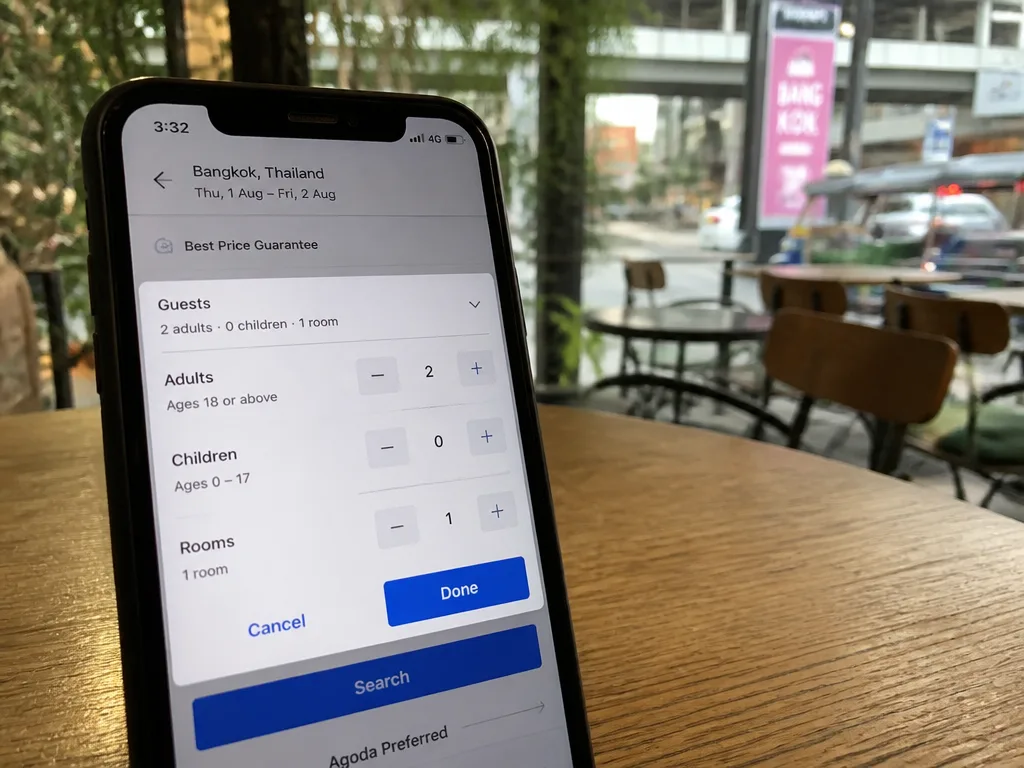
1. Book for two from the beginning
TIP
When booking, set the guest count to 2 adults even if you are arriving solo on Day 1. Room rates are usually identical for 1 vs. 2 adults in the same room category. This gives you a registered slot you can fill at no extra cost.
This is the single biggest tip. Most Bangkok hotels charge the same nightly rate for 1 vs. 2 adults in a standard double room. Booking for two from the start means there is no joiner conversation at check-in — your companion is already on the reservation and can simply present their passport when they arrive.
2. Notify the front desk in advance
If a guest is joining mid-stay and you did not book for two originally, email or call the hotel as soon as you know. Many properties will waive or reduce the fee for advance notice, especially for short stays of one or two extra nights.
This works because the hotel can plan around your update — housekeeping adjusts, breakfast counts update, registration is processed cleanly — instead of dealing with a surprise at the desk.
3. Choose serviced apartments for long stays
Serviced apartments and aparthotels operate under a different model. Most price per unit, not per person, and explicitly welcome additional guests within the suite’s capacity. If you know in advance that your trip involves multiple people joining at different times — common for digital nomads, families, and business travelers — booking a serviced apartment from the start avoids the entire conversation.
Sukhumvit and Sathorn have the densest concentration of serviced apartment options. For specific picks, see our Bangkok long stay guide.
4. Use the lobby or restaurant for short visits
If your guest only needs to drop by for 30 minutes — picking up luggage, having coffee, a brief meeting — the hotel lobby, lounge, or restaurant is fair game. Joiner fees apply when someone enters the guest room, not when they sit in public hotel space. This is the cleanest workaround for short, daytime visits.
5. Check the policy before booking
Hotel listings on Agoda and Booking.com sometimes mention joiner fees in the “house rules” or “fine print” section. When in doubt, the cleanest move is to message the property through the booking platform before you finalize — ask specifically: “What is your policy for additional guests joining during the stay?” The answer arrives in writing and protects you at check-in.
Hotel Categories and How Strict They Are
Bangkok hotels handle additional-guest situations very differently. Knowing the pattern helps you pick the right property up front.
Most flexible: serviced apartments and aparthotels
Per-unit pricing, larger suite layouts, and a long-stay clientele mean these properties almost never charge a joiner fee. Examples in the Sukhumvit corridor include Citadines, Somerset, and Oakwood. Suitable for travelers expecting variable companion situations across a multi-week trip.
Moderate: luxury 5-star chains
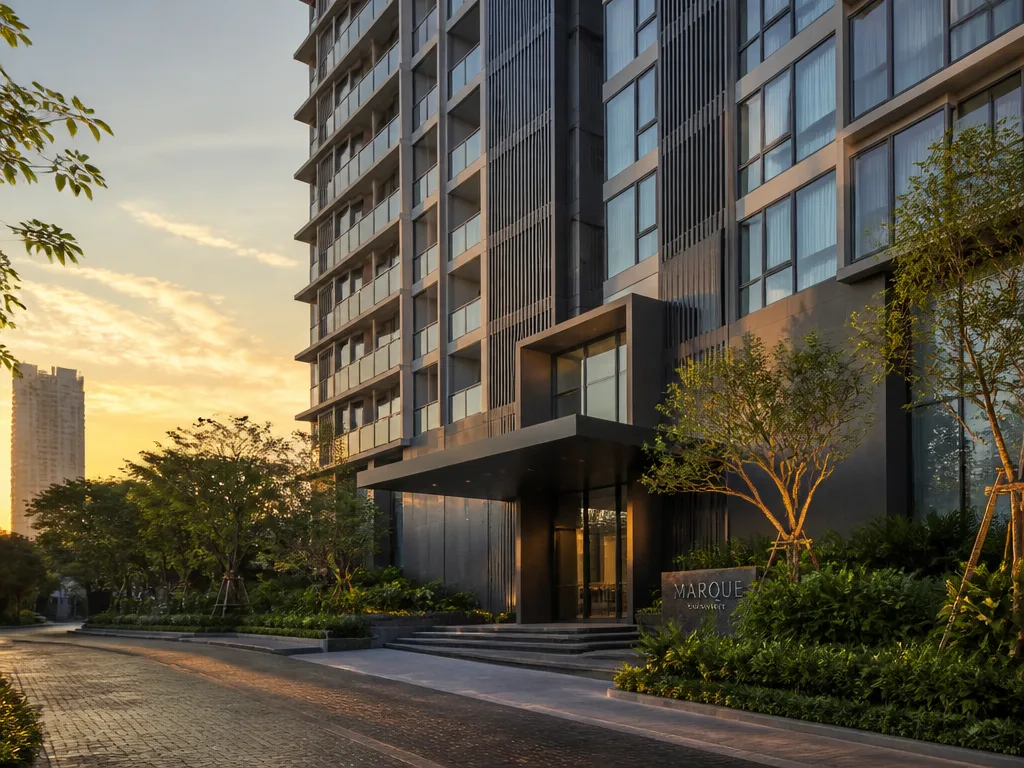
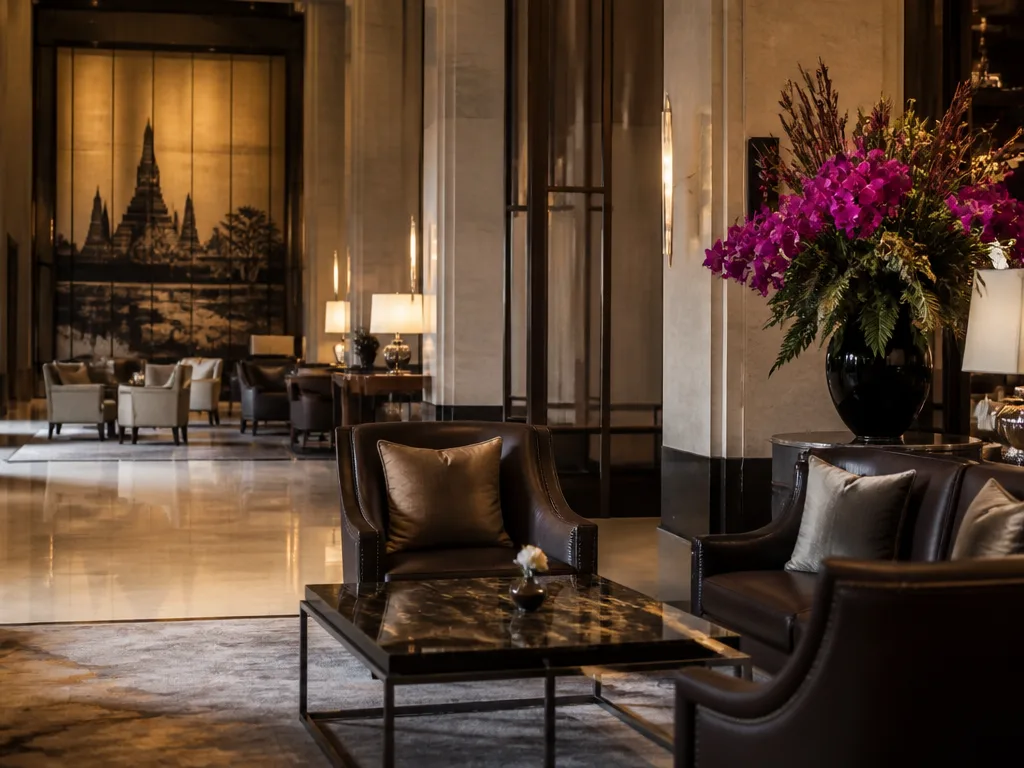
Properties like Park Hyatt, Mandarin Oriental, and St. Regis usually have clearly published policies and tend to handle additional guests with discretion — meaning a short daytime visitor rarely triggers a charge, but an overnight addition gets formally registered. Their fees are higher in absolute terms but the process is smooth and predictable.
Strict: boutique hotels and design hotels
Smaller properties with 20–40 rooms enforce joiner fees most strictly because their margins are thin and their per-room amenity allocation is tight. If you book a boutique hotel, assume the joiner fee will be charged exactly as posted.
Variable: budget guesthouses
Below the mid-range tier, policies vary wildly. Some guesthouses charge nothing for an extra person; others charge close to the room rate itself. The only way to know is to ask directly when booking.
Common Scenarios Travelers Run Into
These are the situations that drive most of the joiner-fee questions we hear.
Scenario 1: Travel companion’s flight changes
You booked separate rooms but your friend’s flight got moved up a day, and they want to share your room until their own check-in. Fix: call the front desk as soon as the change happens. Most hotels will let you add them for a partial-day fee or, in many cases, no charge at all if they leave before housekeeping the next morning.
Scenario 2: Family member visiting from Bangkok
You have a cousin or aunt who lives in Bangkok and they want to come up to your room to chat and see your view. Fix: the lobby or hotel restaurant is the cleanest path. If you specifically want them in the room (e.g., to show them photos on a TV cast), most hotels are flexible for a 30–60 minute visit without charging.
Scenario 3: Business colleague for a working session
Your colleague needs the larger desk in your suite for a long working session. Fix: book a property with a dedicated business lounge or coworking floor. Most upscale Bangkok hotels (Park Hyatt, Eastin, Sofitel) have these built in, and they avoid the joiner conversation entirely.
Scenario 4: Partner traveling separately
You and your partner are arriving on different days and one of you booked the room. Fix: before either of you flies in, message the hotel and add the second name to the reservation. This costs nothing if the room category supports two guests.

FAQ
Does the joiner fee apply to daytime visitors?
Usually not, as long as the visitor stays in public hotel areas (lobby, restaurant, pool deck for hotel guests of guests where allowed). Some strict boutique properties charge a “visitor fee” even for daytime room visits, but this is rare. Always check at the front desk if uncertain.
Can I dispute a joiner fee?
You can ask for it to be waived, especially if you booked for two adults originally and the second person has identification matching the reservation. Disputing a properly applied fee is harder — it is a published policy at most properties. Politely asking ahead of time usually works better than disputing at checkout.
Does Airbnb have joiner fees?
Airbnb hosts in Thailand follow whatever policy they list. Many private rentals have no joiner fee, but condo buildings often have building-level visitor registration fees (charged by the building, not the host). Check the listing’s house rules before booking.
What about hourly hotels or short-stay rooms?
Some Bangkok properties offer hourly rates (typically 4-6 hour blocks) priced as a separate product. If you need a short room for a meeting or a quick break, this is usually a cleaner option than dealing with joiner-fee paperwork. Capsule hotels also tend to be straightforward, though they obviously do not work for multi-person stays.
Is the joiner fee unique to Thailand?
No. Many hotels in Indonesia, the Philippines, Malaysia, and parts of mainland China have similar policies. Thailand is just more transparent about naming and pricing it. Most Western hotel chains worldwide have equivalent policies but enforce them only when the room’s stated capacity is exceeded.
The Two-Adult Booking Habit
If you take one thing from this guide, make it this: book Bangkok hotels for 2 adults by default, even when traveling alone. The room rate rarely changes, and you preserve total flexibility for the rest of the trip.
This single habit removes 80% of joiner-fee conversations before they happen. For everything else, a quick advance message to the front desk closes the gap.
“Booking for two by default costs nothing extra at most Bangkok hotels and saves the entire joiner-fee conversation at check-in.”
For specific Bangkok hotel picks across luxury and mid-range tiers, see the Bangkok luxury hotels guide. For longer stays where additional guests are likely, the Bangkok long stay guide walks through the serviced apartment options. And before you book, make sure you have a handle on Bangkok money and SIM cards so the only surprise on arrival is how good the airport pad thai is.