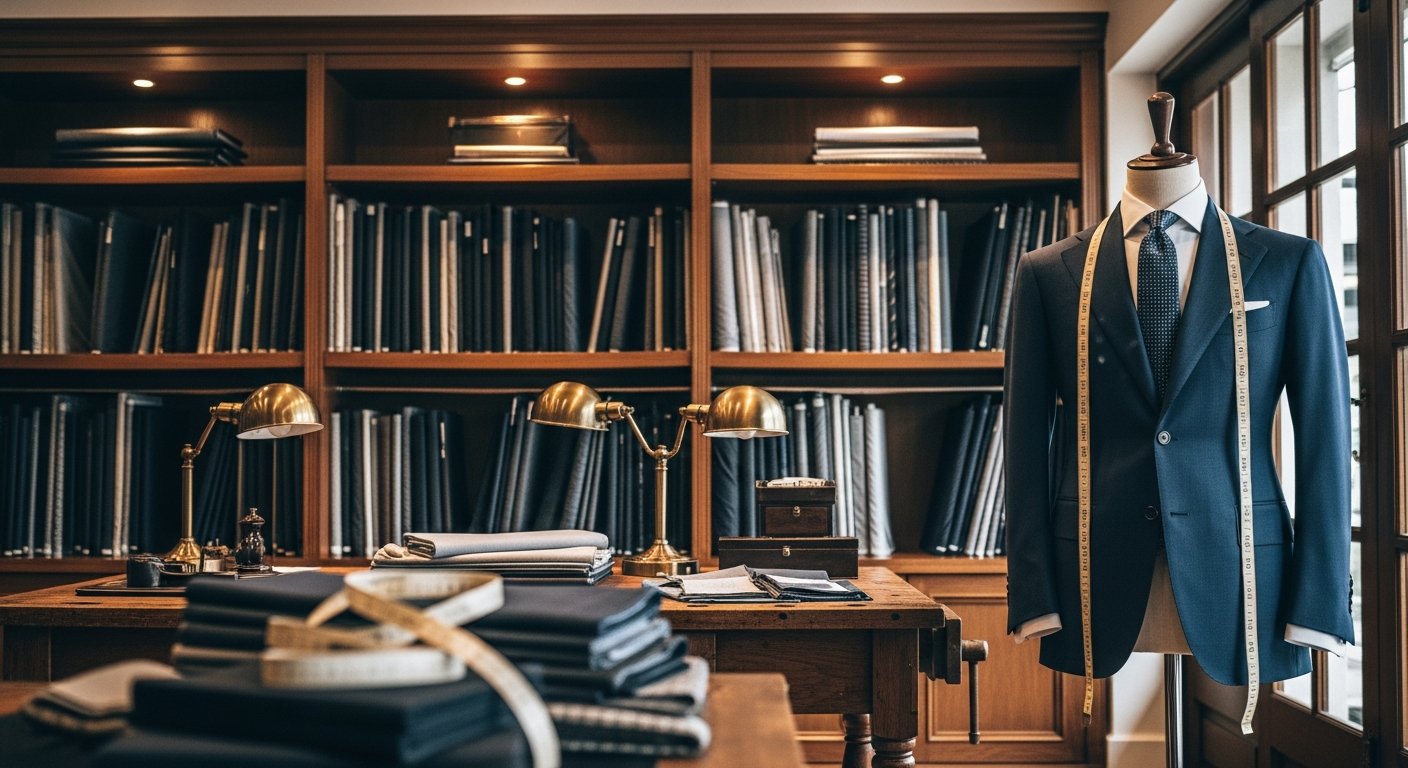
Bangkok has been one of the world’s great tailoring cities for over half a century. The combination of skilled craftsmen, imported fabrics from Italy and England, and prices that make Savile Row look like highway robbery has drawn everyone from backpackers wanting their first real suit to executives who fly in specifically for fittings. It’s a legitimate industry with a real heritage.
It’s also an industry with a serious scam problem.
The gap between a life-changing tailoring experience and an expensive disappointment often comes down to one thing: knowing what you’re walking into. After ten years of living here and watching friends get both beautifully suited and badly burned, here’s everything I wish someone had told me before my first fitting.
Why Bangkok for Tailoring?
Three reasons, and they’re hard to argue with.
Price. A made-to-measure wool suit that costs $2,000-3,000 in New York or London runs $300-800 in Bangkok, depending on fabric and shop tier. Shirts are $30-80 instead of $150-300. The labor economics are simply different here.
Speed. Most reputable shops can turn around a two-piece suit with two fittings in 3-5 days. Some high-end places ask for a week. Compare that to 6-8 weeks at a Western tailor, and you start to see why people plan their Bangkok trips around fittings.
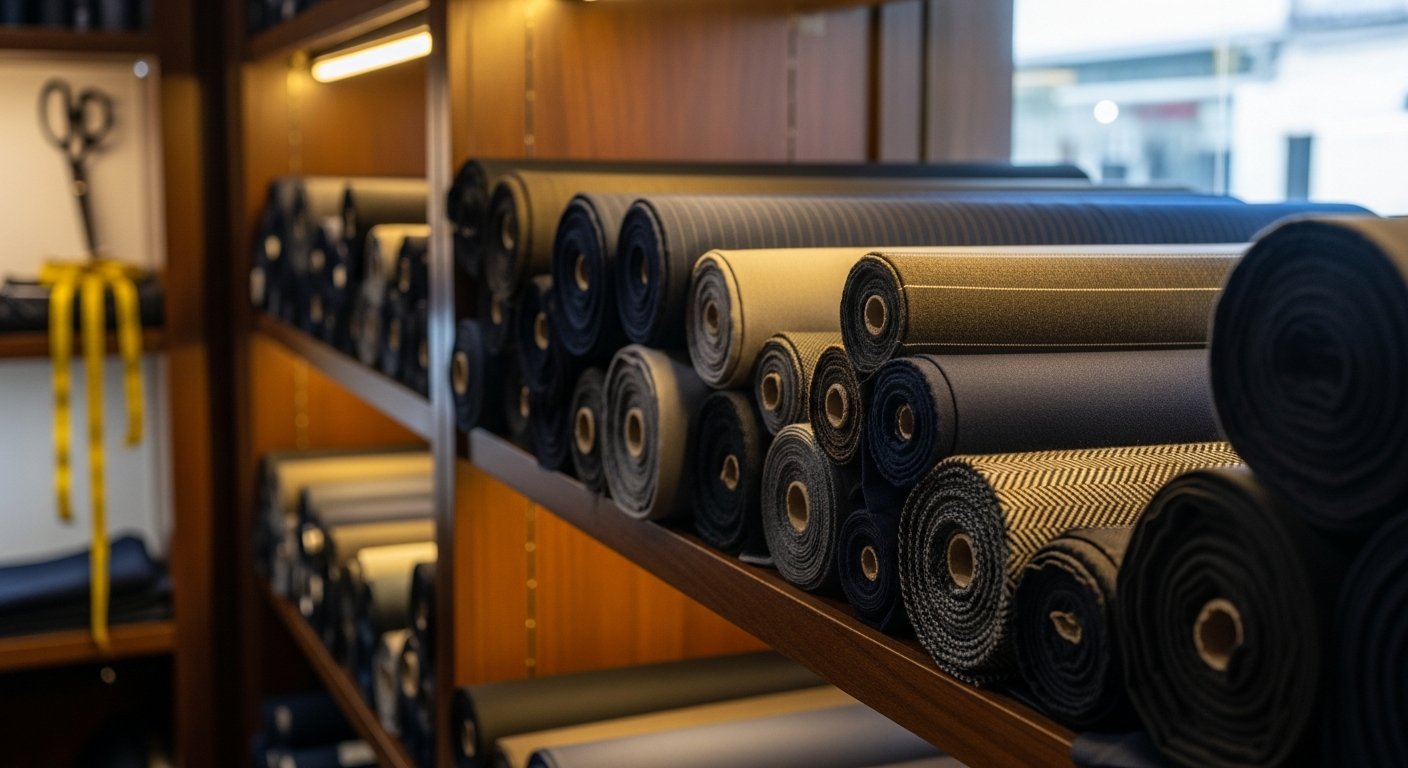
Selection. Good shops carry fabrics from Loro Piana, Ermenegildo Zegna, Holland & Sherry, and Dormeuil alongside quality Thai silk. You’re choosing from hundreds of bolts, not a sample book with fabric swatches the size of playing cards.
How the Process Works
If you’ve never had anything custom-made, the process is surprisingly straightforward. A good shop will walk you through every step, but knowing what to expect helps you ask the right questions.
Consultation and Design (30-60 minutes)
You sit down with the tailor, discuss what you want (business suit, wedding outfit, casual blazer), and they’ll show you style options. Lapel width, button stance, pocket style, venting, lining — you’ll make more decisions than you expected. If you don’t have strong opinions, bring photos of suits you like. A good tailor will guide you; a great one will gently steer you away from choices that won’t work for your body type.
Fabric Selection
This is where the real money decisions happen. The tailor will pull bolts from the shelf and drape them over your shoulder so you can see how they fall and catch light. Feel the weight. Ask about the fabric’s composition — pure wool, wool-silk blends, linen for Bangkok’s heat, cotton for casual shirts.
Key question to ask: “Where is this fabric from, and what’s the thread count?” A tailor who can answer confidently and specifically (not just “Italian fabric, very good”) is a tailor who knows their materials.
Measurements (15-20 minutes)
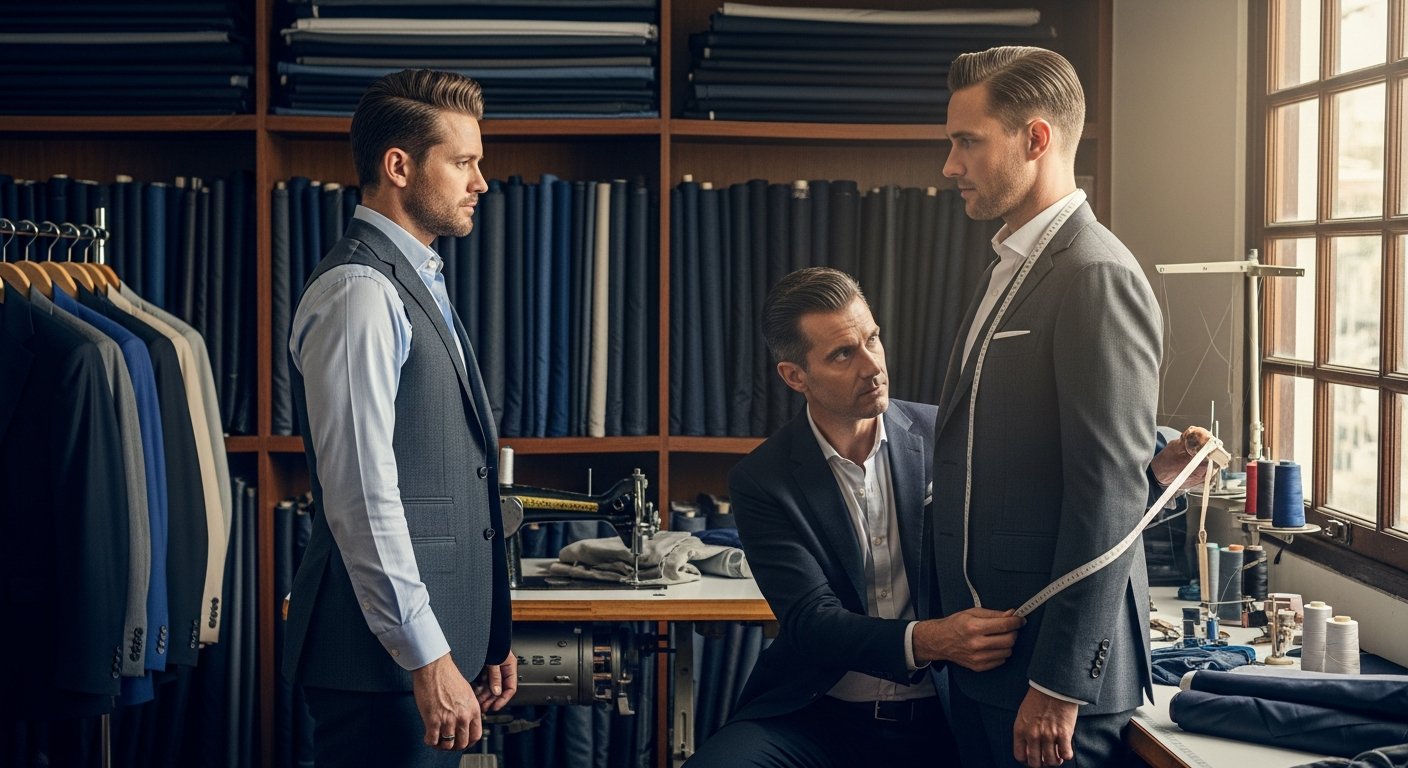
A skilled tailor takes 20-30 measurements. Shoulder width, chest, waist, hip, sleeve length, back length, trouser inseam and outseam — the works. Watch for whether they measure carefully or rush through it. Precise measurement is the difference between a suit that fits and a suit that sort of fits.
First Fitting (Day 2-3)
The garment is basted together — sewn loosely so adjustments are easy. You try it on and the tailor marks changes. Sleeve length, shoulder adjustment, trouser break. This fitting is critical. Don’t be polite about things that feel wrong. If the shoulders pull, say so. If the trousers are too tight in the thigh, say so. Adjustments now are easy; after final stitching, they’re hard.
Final Fitting and Pickup (Day 4-5)
The finished garment. Try everything on again. Check the buttons, the stitching, the lining. Move around — sit down, raise your arms, check the mirror from every angle. A reputable shop will do last-minute adjustments on the spot if needed.
How Much Does a Custom Suit Cost?
Prices vary enormously depending on fabric quality and shop reputation. Here’s a realistic breakdown in Thai Baht:
| Item | Budget Tier | Mid Tier | Premium Tier |
|---|---|---|---|
| Two-piece suit | 5,000-8,000 THB | 10,000-18,000 THB | 20,000-35,000 THB |
| Three-piece suit | 7,000-10,000 THB | 14,000-22,000 THB | 25,000-45,000 THB |
| Dress shirt | 800-1,500 THB | 1,500-2,500 THB | 3,000-5,000 THB |
| Trousers | 1,500-2,500 THB | 3,000-5,000 THB | 6,000-10,000 THB |
| Blazer / Sport coat | 4,000-6,000 THB | 8,000-14,000 THB | 15,000-25,000 THB |
| Overcoat | 6,000-10,000 THB | 12,000-20,000 THB | 22,000-40,000 THB |
Budget tier gets you synthetic-blend fabrics and decent construction. Fine for a first suit or something you’ll wear a few times a year.
Mid tier is where most savvy buyers land. Pure wool from reputable mills, proper canvas or half-canvas construction, hand-finished buttonholes. These suits genuinely compete with off-the-rack options costing 3-4x more back home.
Premium tier uses top-shelf fabrics (Super 150s wool, cashmere blends) with full-canvas construction and extensive hand-stitching. The difference between mid and premium is noticeable but subtle — you’re paying for fabric quality and construction details that a tailor nerd would appreciate.
Understanding Fabric Quality
Fabric is the single biggest factor in what you’ll pay and how your suit will look in two years.
Wool is the standard for suits. Look for “Super” numbers — Super 100s is a solid everyday choice, Super 120s-130s feels noticeably smoother, and Super 150s+ is luxury territory but wrinkles more easily. Higher isn’t always better; Super 110s is often the sweet spot for durability and feel.
Cotton is what you want for shirts and casual wear. Egyptian or Sea Island cotton at higher thread counts feels markedly different from standard cotton. For Bangkok’s climate, cotton-linen blends breathe well.
Linen wrinkles. That’s just what it does. If someone tells you their linen won’t wrinkle, they’re lying. But a good linen suit in Bangkok’s heat is a beautiful thing. Embrace the wrinkles.
Silk blends add sheen and drape. A wool-silk suit has a subtle luster that looks fantastic for evening events. Pure silk suits exist but are fragile and impractical for most people.
The red flag: If a shop can’t tell you the specific mill or brand of the fabric, or if the price for an “Italian wool suit” is suspiciously low (under 5,000 THB for a full suit), you’re getting polyester-blend fabric with an Italian-sounding label sewn onto the bolt. This is extremely common.
Where to Go: Bangkok’s Tailoring Districts
Sukhumvit Road (Soi 1-33)
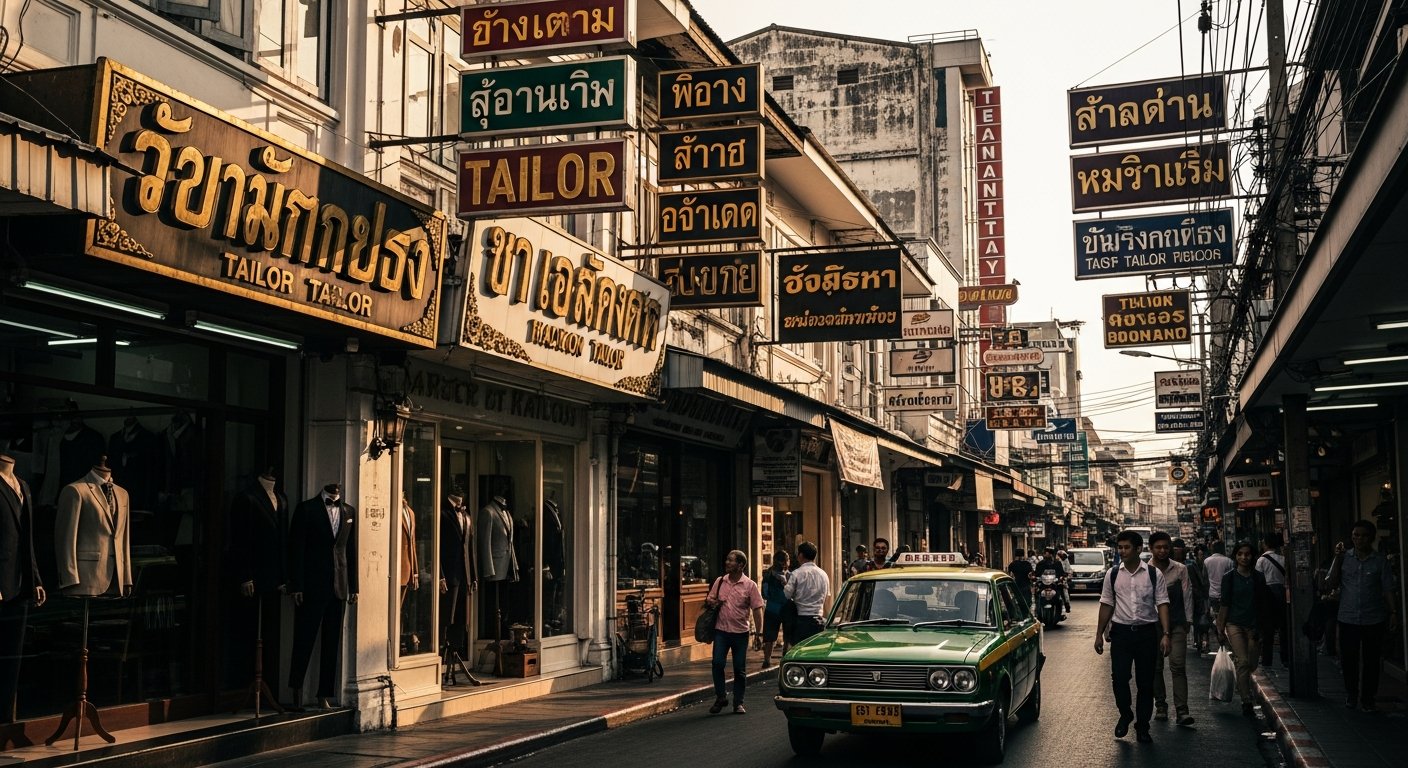
The highest concentration of tailor shops in Bangkok, ranging from tourist traps to genuinely excellent operations. The area around Soi 11 and Soi 19 has several well-regarded shops that have been operating for decades. Easy access via BTS Nana and Asok stations — check our Bangkok transportation guide for getting around.
Pros: Convenient, English-speaking staff, easy to compare shops Cons: Also the highest concentration of aggressive touts and 24-hour scam shops
Silom and Surawong
The Silom business district has tailors that cater more to Bangkok’s expat business community than to tourists, which generally means higher quality and less pressure selling. Shops along Surawong Road and in the sois connecting Silom and Surawong have some of the city’s oldest and most trusted operations. If you’re exploring the Silom area, it’s worth popping into a few.
Pros: More professional atmosphere, established shops with long track records Cons: Slightly higher prices reflecting the business clientele
Charoen Krung Road (Old Town)
Bangkok’s oldest road and home to its oldest tailoring tradition. Indian and Chinese tailor families have been operating here for three or four generations. The shops look less polished than Sukhumvit counterparts, but some of the finest handwork in the city comes from this area.
Pros: Heritage shops, excellent value, less tourist markup Cons: Harder to reach, less English spoken, can feel intimidating for first-timers
The Scam Warning Section (Read This Twice)
Bangkok tailoring scams are so common they practically deserve their own Wikipedia page. Here’s what to watch for.
The 24-Hour Suit
The single biggest red flag. Any shop promising a custom suit in 24 hours is not making you a custom suit. They’re pulling a pre-made suit off a rack, doing minimal alterations, and charging you custom prices. A properly constructed suit takes a minimum of 2-3 days with rushed work, and 4-7 days for anything approaching quality.
If they say “ready tomorrow,” walk out.
The Tuk-Tuk Pipeline
A tuk-tuk driver offers you a cheap ride or a “free city tour.” One of the stops is always a tailor shop. The driver gets a commission (300-500 THB per customer delivered), which the shop adds to your bill. The shops in this network are universally terrible. Same goes for taxi drivers, hotel concierges, or anyone on the street who enthusiastically recommends a “special promotion, today only.”
The Bait and Switch
You pick a beautiful Italian wool from the sample book. What arrives at your fitting is a polyester blend that looks vaguely similar. If the fabric at your first fitting doesn’t feel like what you chose, say something immediately. Bring a photo of the fabric bolt you selected.
The Pressure Close
“Special price only today. Tomorrow, normal price.” This is nonsense. The price is the price. If you feel pressured, leave. Good tailors don’t need to pressure anyone — they have enough repeat business and referrals.
The Google Reviews Trap
Some shops aggressively solicit five-star reviews (offering discounts or free ties) and report negative reviews to get them removed. Sort by lowest rating first and read the one- and two-star reviews carefully. Patterns in complaints tell you more than the average rating.
How to Choose a Good Tailor: The Checklist
Not every shop is a scam, and plenty of Bangkok tailors do outstanding work. Here’s how to find them.
They don’t tout. Good tailors don’t employ guys on the sidewalk pulling you in. If someone grabs your arm on Sukhumvit, that’s not where you want your suit made.
They ask questions first. A good tailor wants to understand what you need before talking about price. What’s the occasion? How often will you wear it? What climate? These questions signal someone who cares about the outcome.
They show you real fabric. They can identify the mill, the composition, and the weight. They’ll pull multiple bolts for comparison rather than pointing at a laminated card.
They recommend fewer items. A tailor suggesting you start with one suit to see if you like their work is more trustworthy than one pushing a “5 suits + 10 shirts” package deal.
They have a visible workshop. Many good shops have their tailors working on-site or will tell you where the workshop is. If you ask “Where is the suit actually made?” and they get evasive, that’s concerning.
They don’t promise 24-hour delivery. Enough said.
Practical Tips for Your Fitting
Allow enough days. Plan for at least 4-5 days in Bangkok if you want a suit. Ideally a week. First visit on day one, first fitting on day three, pickup on day five. Don’t try to squeeze this into a 48-hour layover.
Bring reference photos. Show the tailor what you like. A picture communicates lapel width, button stance, and trouser break better than any verbal description.
Wear proper shoes. Trouser length depends on your shoe height. Wear the shoes you’ll wear with the suit, or bring them along.
Tip your tailor. This is a service industry, and good work deserves recognition. 200-500 THB for a suit is appropriate and appreciated. For more on Thai tipping customs, see our tipping guide.
Get the shop’s contact info. Good tailors will do repeat orders by mail. Send your updated measurements and fabric choices, they ship the finished garments. Many longtime customers haven’t visited Bangkok in years but still order regularly.
Frequently Asked Questions
Can I get a suit made if I’m only in Bangkok for 2 days?
Technically yes, but you’re compromising quality. A 48-hour turnaround means one fitting at best and rushed construction. If you only have two days, consider ordering shirts instead — they’re simpler garments and come out well even on tight timelines. For suits, 4-5 days minimum.
Should I haggle on price?
Mild negotiation is fine, especially if you’re ordering multiple items. Asking “What’s the best price for two suits and five shirts?” is perfectly normal. But aggressive haggling signals that you’re prioritizing price over quality, and some tailors will respond by cutting corners on fabric or construction. A 10-15% discount on multi-item orders is reasonable.
What if I’m not happy with the result?
A reputable shop will make adjustments at no extra cost. That’s why the fitting process exists. However, if the fundamental construction is poor (wrong fabric, terrible fit that can’t be altered), your options are limited. This is why choosing the right shop matters more than anything else. Some shops offer a satisfaction guarantee — ask about their policy before ordering.
Is it worth getting shirts made, or just suits?
Custom shirts are arguably the best value in Bangkok tailoring. A well-fitted shirt in quality cotton for 1,500-2,500 THB is dramatically better than a department store shirt costing the same or more back home. Many people skip the suit entirely and order a dozen shirts instead. Smart move.
Can the tailor ship finished items to my home country?
Most established shops offer international shipping, usually via DHL or EMS. Expect to pay 1,500-3,000 THB for shipping depending on destination and weight. This is especially useful for repeat orders — once a shop has your measurements, you can order remotely and have garments shipped directly.
Bangkok’s tailoring scene is one of those rare travel experiences that delivers genuine, lasting value. A well-made suit doesn’t just look good on the trip — you wear it for years. But the difference between a tailor who changes how you think about clothes and one who takes your money and hands you a glorified costume depends entirely on doing your homework first. Take your time, trust your instincts, and if anything feels off, there’s always another shop around the corner.
For getting around the tailoring districts, check our Bangkok transportation guide. And if you’re tipping your tailor (you should), our tipping guide has the full breakdown.