Wat Pho Massage: Getting a Rubdown at the Birthplace of Thai Massage
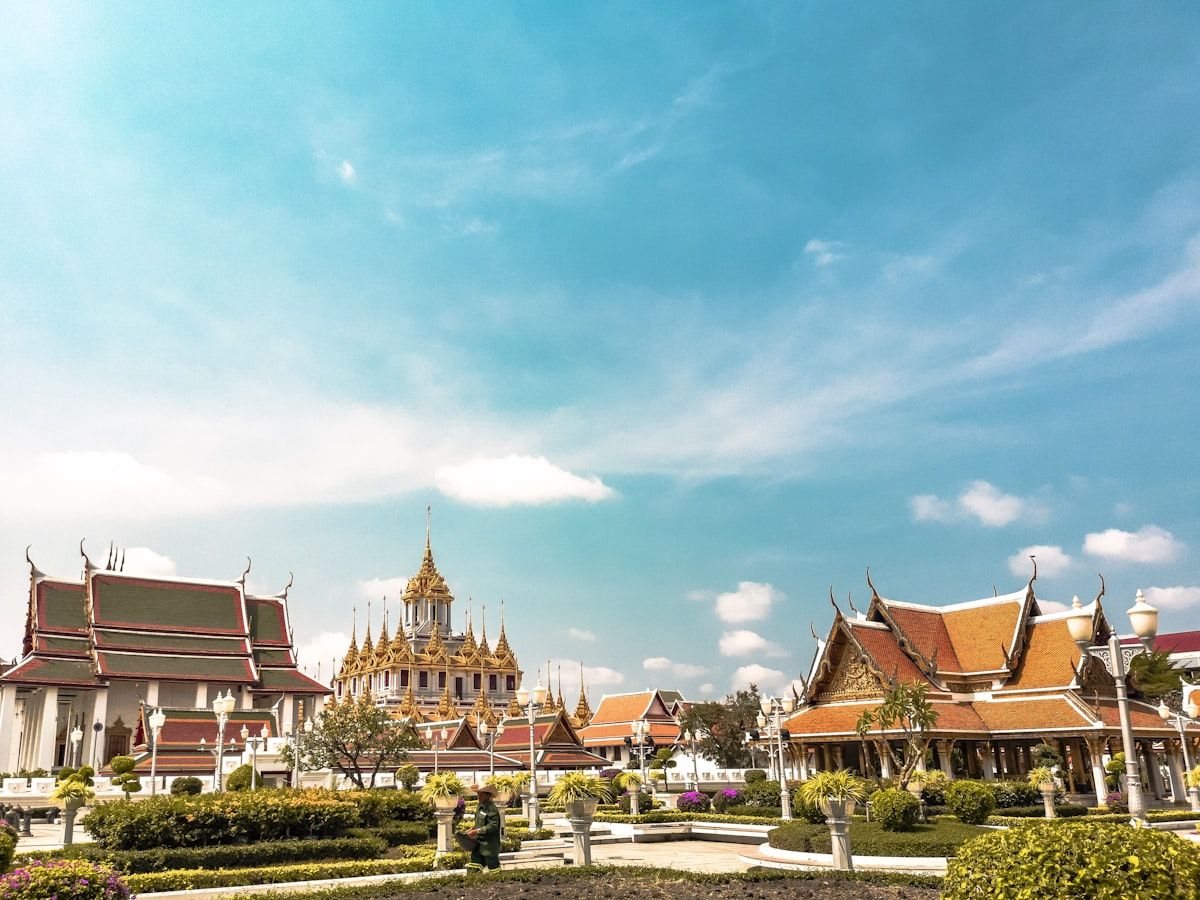
Wat Pho (วัดโพธิ์) is Bangkok’s most famous temple, home to the 46-meter Reclining Buddha, and a mandatory stop on every first-timer’s itinerary. But most people don’t realize that this temple is also the literal birthplace of Thai massage — the place where centuries of healing knowledge were codified into the discipline practiced across the world today. And yes, you can still get a massage there, inside the temple complex, from therapists trained in the original school.
It’s one of those rare tourist experiences that actually delivers. The massage is excellent. The setting is extraordinary. The price is lower than most street shops on Sukhumvit. If you’re going to get one massage in Bangkok, this is a strong case for making it this one.
A Quick History
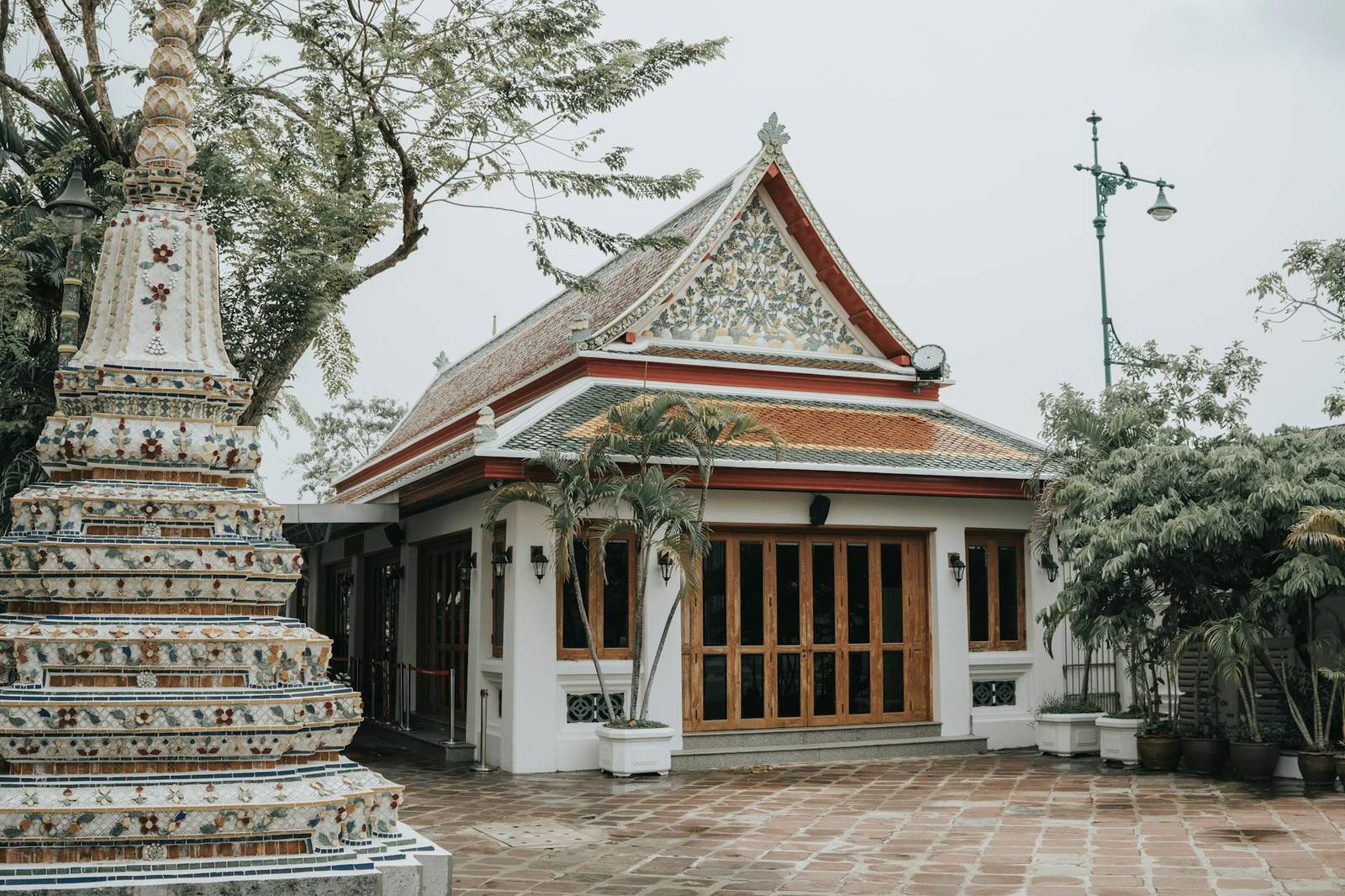
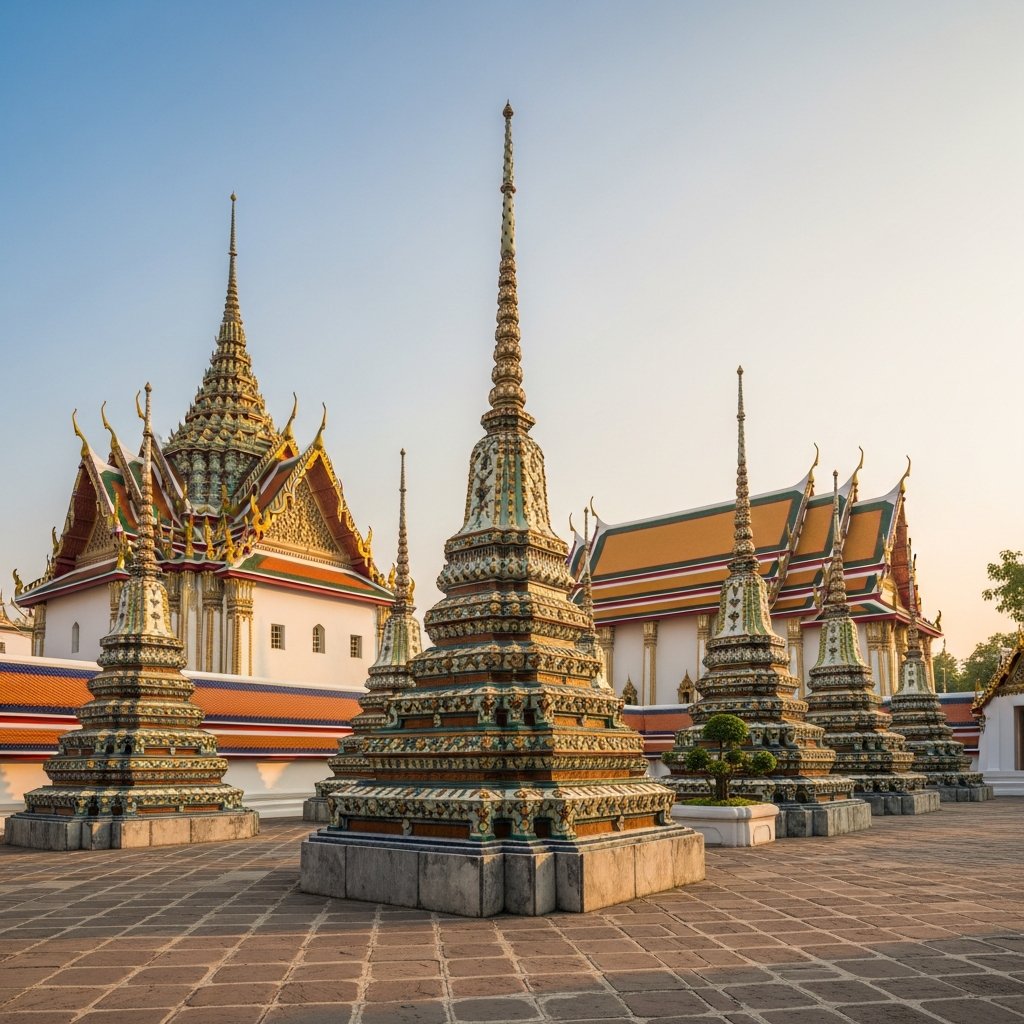
Wat Pho — formally Wat Phra Chetuphon Wimon Mangkhalaram — is Bangkok’s oldest and largest temple, dating back to the 16th century, well before Bangkok became the capital. But the massage story starts in 1832.
King Rama III ordered that the accumulated knowledge of Thai traditional medicine, massage techniques, and herbal remedies be inscribed on stone tablets and mounted throughout the temple grounds. The idea was radical: make this knowledge public, accessible to anyone who walked through the gates. Before that, these techniques had been passed down orally within family lineages and could easily be lost.
The Wat Pho Thai Traditional Medical and Massage School was formally established in 1955, making it the first institution in Thailand to offer structured education in traditional medicine. It’s often called Thailand’s first public university, though that title is more honorary than official. What’s not debatable is its influence — the vast majority of Thai massage schools worldwide trace their curriculum back to Wat Pho’s teachings.
In 2019, UNESCO inscribed Nuad Thai (นวดแผนไทย) on the Representative List of the Intangible Cultural Heritage of Humanity. Wat Pho was cited as the primary custodian of this tradition. So when you lie down on one of their mats, you’re participating in something that has formal international recognition as a living cultural practice.
Getting a Massage at Wat Pho
The massage pavilion is located inside the temple complex, which means you’ll need to pay the temple entrance fee first: 200 THB for foreigners (Thai nationals enter free). Once inside, follow the signs — the massage area is a separate building, easy to find.
Here’s the current pricing:
- Thai massage: 260 THB / 30 min, 420 THB / 60 min
- Foot massage: 280 THB / 30 min, 420 THB / 60 min
- Herbal compress massage (ลูกประคบ, luk pra kob): 520 THB / 60 min
Those prices are notably lower than what you’ll find at most tourist-area shops, where a basic Thai massage runs 400-600 THB. You’re getting better-trained therapists in a more meaningful setting for less money. That’s not a common combination in Bangkok.
The pavilion is open daily from 8:00 to 17:00, with last bookings accepted around 16:00. No reservations — just walk up, put your name down, and wait. On a typical weekday morning, you’ll get in within 10 minutes. Weekend afternoons and holiday periods can mean 20-30 minute waits. Tipping is customary: 50-100 THB is the standard range.
What Makes It Different
If you’ve had Thai massages at street shops around Bangkok, the Wat Pho experience will feel noticeably different — and not just because of the location.
The therapists here are all graduates of the Wat Pho school. That matters because the training is rigorous and standardized. Street shop therapists have wildly variable skill levels. Some are superb, some learned on the job over a weekend. At Wat Pho, there’s a baseline of competence that’s consistently high.
The technique itself tends to be more measured and meditative than what you’ll encounter elsewhere. Street massages in tourist areas often default to aggressive — deep pressure, dramatic cracks, the kind of session that makes you wonder if you’ll be able to walk tomorrow. Wat Pho therapists work with deliberate intent. Pressure is firm but controlled. Transitions between positions are smooth. There’s a rhythm to it that feels genuinely therapeutic rather than performative.
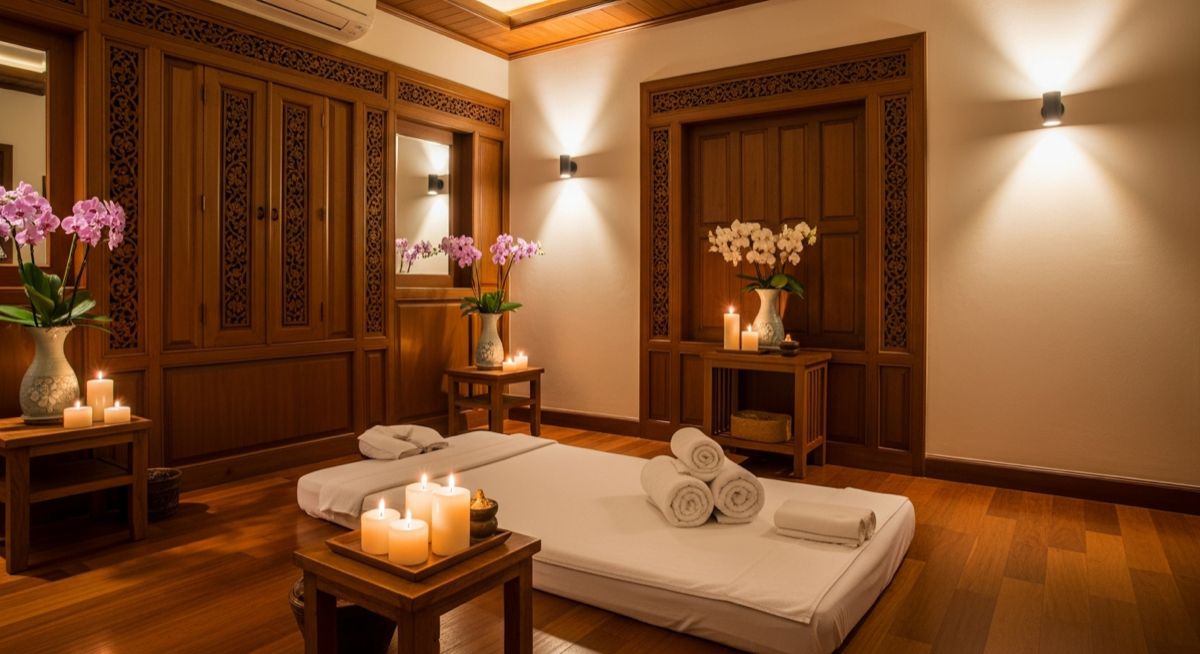
And then there’s the setting. You’re lying on a mat in a 200-year-old temple complex, with the Reclining Buddha one building over and stone inscriptions of the very massage techniques being used on you embedded in the walls outside. That context transforms the experience from “getting a massage” to something closer to participating in a living tradition.
The Herbal Ball Experience
If you’re choosing between the standard Thai massage and the herbal compress massage, spend the extra 100 THB and go with the herbal ball. It’s Wat Pho’s most distinctive offering and something you genuinely cannot get at most massage shops around the city.
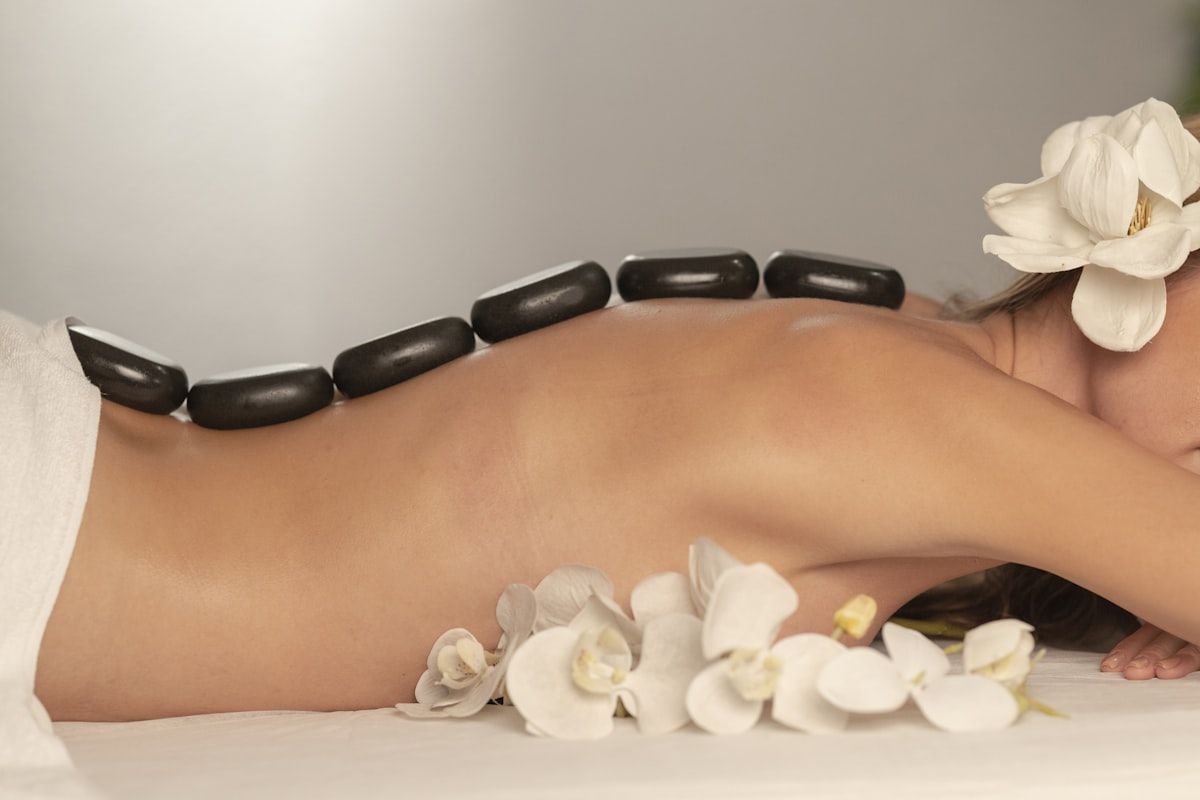
The herbal balls (ลูกประคบ, luk pra kob) are cloth bundles packed with a mix of traditional Thai herbs — lemongrass, turmeric, kaffir lime peel, ginger, tamarind leaves, and camphor among them. Before the session, the balls are steamed until they’re hot and fragrant.
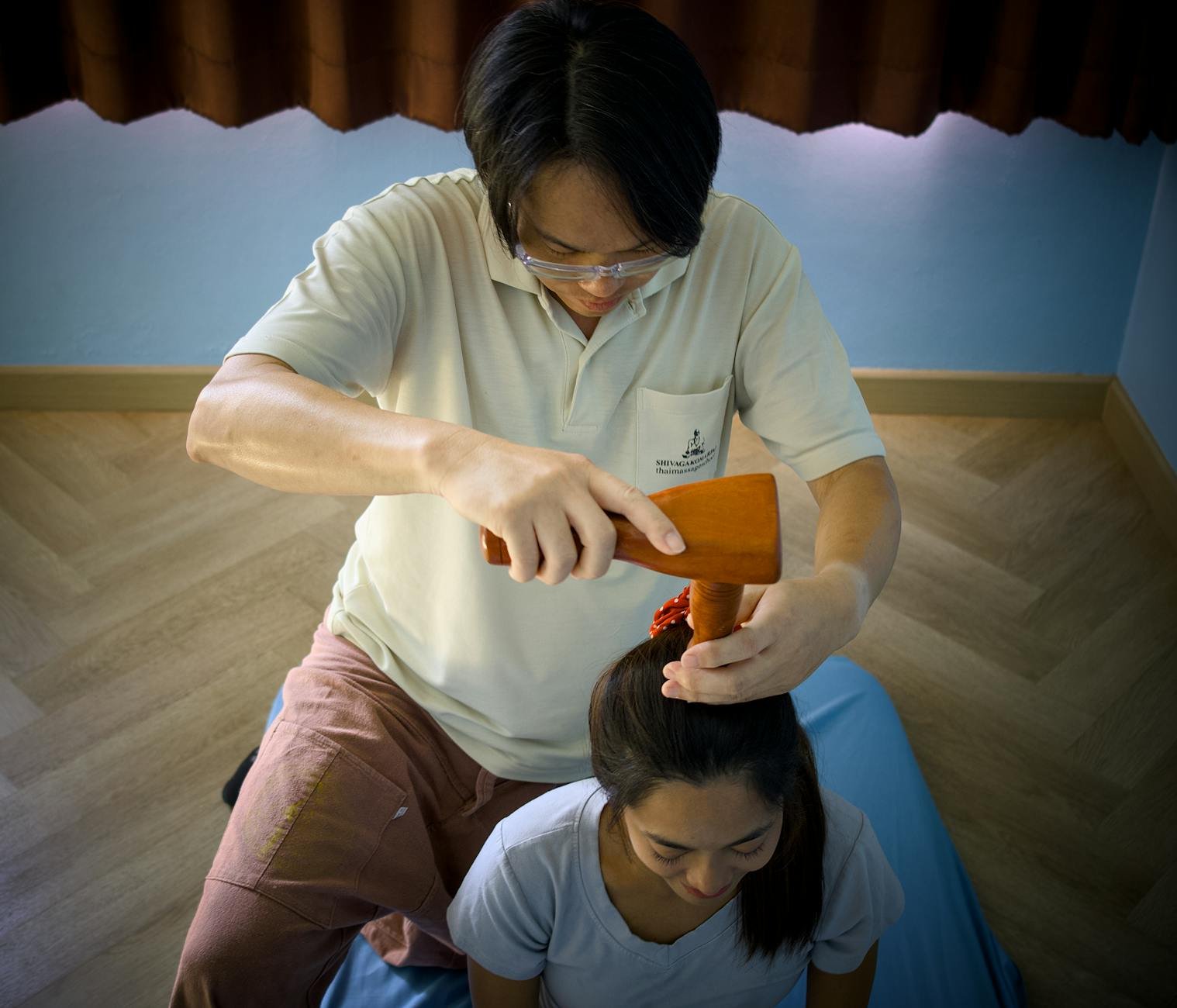
During the massage, the therapist alternates between standard hand techniques and pressing the heated herbal balls along your body’s energy lines (เส้น, sen). The balls are rolled, pressed, and held against muscles, joints, and pressure points. The combination of moist heat, herbal compounds absorbing through the skin, and the deep pressure creates something that’s simultaneously a massage, aromatherapy session, and heat treatment.
The effect is deeply relaxing in a way that standard Thai massage doesn’t quite replicate. The heat loosens muscles faster, and the herbal blend — especially the lemongrass and camphor — leaves your skin tingling and your sinuses clear. If you have any joint stiffness or deep muscle tension, herbal compress is significantly more effective than pressure alone.
Most street massage shops don’t offer herbal ball massage because it requires sourcing and preparing fresh herb bundles daily. It’s available at high-end spas (where you’ll pay 1,500-3,000 THB) and at Wat Pho. The 520 THB price point here is exceptional value.
Practical Tips
Visit the temple first, get the massage after. Walk through the grounds, see the Reclining Buddha, read the inscriptions on the walls. Understanding what Wat Pho represents makes the massage more meaningful. Plus, you’ll be tired from walking around in the heat, which makes lying down on a mat even more rewarding.
Go early. The 8:00-10:00 AM window is the least crowded for both the temple and the massage pavilion. Midday is peak tourist time — the wait for a massage is longest and the temple grounds are packed. If you can’t do mornings, late afternoon (15:00-16:00) is the second-best option.
Wear comfortable clothes. They provide loose massage clothing, but if you’re already in lightweight, stretchy clothes, you can skip the change. Avoid jeans or anything restrictive — Thai massage involves a lot of stretching and repositioning.
Getting there: BTS Saphan Taksin station, then the Chao Phraya Express Boat to Tha Tien pier, followed by a 5-minute walk. Alternatively, grab a taxi or tuk-tuk directly — from central Bangkok, expect 80-150 THB by taxi depending on traffic and starting point.
Combine with nearby attractions. The Grand Palace is a 5-minute walk north. Tha Maharaj, a pleasant waterfront mall with restaurants, is along the river. Pak Khlong Talat (the flower market) is a short walk south. You can easily fill a full morning with Wat Pho, the massage, and lunch by the river.
Taking a Course
If you’re staying in Bangkok for more than a few days and have any interest in bodywork, consider enrolling in a course at the Wat Pho school. This is the original institution — a certificate from here carries weight worldwide.
The basic course runs 5 days and covers the foundational 10 energy lines (เส้นสิบ, sen sib) and core Thai massage techniques. Cost is approximately 10,000-15,000 THB, which includes materials and the certificate. Professional-level courses extend to 15 days and cover advanced techniques, herbal medicine, and therapeutic applications.
Classes are taught in Thai with English interpretation, and foreign students make up a significant portion of enrollees. The certificate is internationally recognized and is accepted as a credential in many countries for practicing Thai massage professionally. Even if you’re not planning to become a therapist, the 5-day course gives you a genuine understanding of what Thai massage is, why it works, and how to do the basics properly. It’s a more meaningful souvenir than anything you’ll find at Chatuchak.
Final Thoughts
Most “must-do” tourist activities in Bangkok come with caveats — overcrowded, overpriced, underwhelming in person. Wat Pho’s massage is the exception. The therapists are properly trained, the herbal compress is a standout experience, the prices are fair, and the 200-year history isn’t marketing fluff. Go early, get the herbal ball, and give yourself an hour.
If you want to understand the broader landscape of Thai massage, check out our Thai Massage Guide for a full breakdown of types and prices. For what to expect at neighborhood shops, the Street Massage Guide covers the street-level experience. And if you’re unsure about tipping etiquette, our Thailand Tipping Guide has the specifics.